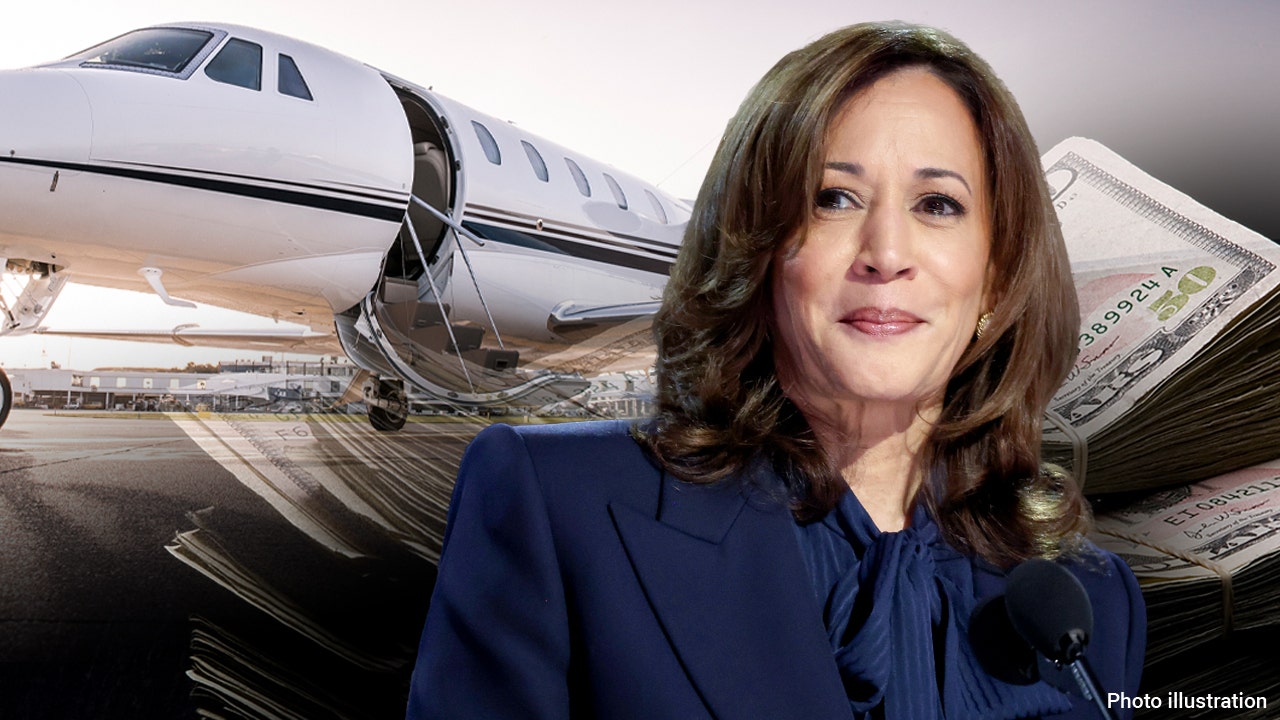
Money doesn't just talk in American politics; it shouts. When Kamala Harris stepped into the spotlight following President Biden’s exit, the financial floodgates didn't just open—they practically burst. It was a wild scene. One minute, the Democratic donor class was in a full-blown panic, and the next, some of the wealthiest people on the planet were cutting checks with more zeros than most of us will ever see in a lifetime.
Honestly, the narrative that "all billionaires are Republicans" is just flat-out wrong. While guys like Elon Musk were making headlines for their massive MAGA rallies and "America PAC" spending, a significant—and arguably more diverse—contingent of the ultra-wealthy was quietly (and sometimes very loudly) lining up behind Harris.
But why? It’s not just about "vibes" or party loyalty. For most of these titans, it’s a calculated bet on stability, tech policy, and the future of the American workforce.
The High-Stakes Roster of Billionaires Who Support Harris
If you look at the FEC filings and the public endorsements, the list of billionaires who support Harris reads like a "Who’s Who" of Silicon Valley and Wall Street. We’re talking about the architects of the modern internet and the gatekeepers of global capital.
The Tech Titans and the "VCs for Kamala"
Silicon Valley has always been a bit of a blue stronghold, but the support for Harris felt different. It was urgent. Reid Hoffman, the co-founder of LinkedIn and a perennial Democratic powerhouse, was one of the first to jump in. He didn't just offer a polite quote; he basically became a surrogate, defending her record on tech and innovation across every news outlet that would have him.
Then you have the Netflix crew. Reed Hastings, who had actually been one of the loudest voices calling for Biden to step aside, put his money where his mouth was. He dropped a staggering $7 million into a pro-Harris super PAC. That’s not "chump change," even for a guy who revolutionized how we watch TV.
Other big names in the tech space include:
- Sheryl Sandberg: The former Meta COO has been a vocal advocate, particularly focusing on Harris’s stance on reproductive rights.
- Vinod Khosla: The venture capital legend initially wanted an "open convention" but quickly pivoted, arguing that Harris is the only choice to protect the democratic process.
- Dustin Moskovitz: The Facebook co-founder and Asana CEO has been a quiet but massive donor, funneling millions into data-driven groups like Future Forward.
The $50 Million Secret: Bill Gates and Michael Bloomberg
For a long time, Bill Gates tried to play the "neutral philanthropist" card. He didn't want to get his hands dirty in partisan mud-slinging. But 2024 changed things. Reports eventually leaked that Gates had privately donated roughly $50 million to a nonprofit supporting Harris. When asked about it, he kept it broad—talking about healthcare and climate change—but the message was clear.
Michael Bloomberg, the former NYC mayor, followed a similar path. He’s always been a "whale" for the Democrats, but he waited a bit before dropping his own $50 million bomb. For Bloomberg, it's often about the data; he needs to see a path to victory before he opens the vault.
Why the Ultra-Wealthy Are Betting on Kamala
You’ve gotta wonder: what’s in it for them? Most of these people would see their personal taxes go up under a Harris administration. Yet, they’re still writing the checks.
1. Stability is the Ultimate Commodity
Business hates uncertainty. Trump’s "tariff-first" rhetoric and his unpredictable approach to international trade deals make many CEOs break out in a cold sweat. Harris represents a continuation of the current administration’s predictable, albeit regulated, economic environment. For a billionaire with assets scattered across the globe, a "boring" economy is a profitable economy.
2. The Battle for the FTC
This is where it gets spicy. There’s a lot of "inside baseball" talk about Lina Khan, the current chair of the Federal Trade Commission (FTC). She’s been a thorn in the side of big tech, blocking mergers and filing antitrust lawsuits.
Interestingly, some billionaires who support Harris, like Mark Cuban and Reid Hoffman, have been very public about their hope that Harris might replace Khan. They like the Vice President, but they want a more "business-friendly" regulator. It’s a classic political leverage play: "We’ll help you win, but let’s talk about that FTC seat."
3. Social Issues and Talent Acquisition
For leaders like Melinda French Gates and Laurene Powell Jobs, the support is deeply rooted in social policy. They view things like reproductive rights and climate change as fundamental to the long-term health of the country. Plus, tech companies need to attract global talent. Hardline immigration stances—often associated with the GOP—make it tougher for these companies to hire the best engineers from around the world.
The "Mark Cuban" Factor: A New Kind of Surrogate
Mark Cuban is basically the "Everyman's Billionaire," or at least he plays one on TV. His support for Harris was unique because he didn't just write a check; he hit the campaign trail. He went on podcasts, did town halls, and argued that Harris is actually better for small businesses than Trump.
Cuban’s argument is basically this: Trump talks a big game on the economy, but his policies—like universal tariffs—would actually act as a massive tax on American consumers and small-time entrepreneurs. Cuban has been the primary "billionaire whisperer" for the campaign, trying to convince the middle class that the wealthy elites backing Harris actually have the public's best interests at heart.
The Contrast: Harris vs. The "Musk" Wing
It’s impossible to talk about the billionaires on the left without mentioning the ones on the right. The 2024/2025 cycle saw a massive consolidation of "Oligarch Energy" around Donald Trump, led by Elon Musk, Peter Thiel (mostly through his proteges), and Miriam Adelson.
While the billionaires who support Harris tend to come from software, media, and venture capital, the Trump backers often represent "old guard" industries like oil, real estate, and more recently, the "crypto-rebels" of Silicon Valley. It’s a fascinating split. One side wants to preserve the institutions (Harris); the other wants to disrupt them entirely (Trump).
What This Means for Your Wallet
You might think billionaire donors don't affect you, but they do. Their influence often shapes the "policy menu" that a candidate chooses from.
- Tax Policy: Expect Harris to stay firm on raising the corporate tax rate to 28%, but her billionaire backers are likely pushing for exemptions in R&D and green energy.
- Artificial Intelligence: This is the big one. Tech billionaires want "light-touch" regulation so they can keep racing ahead of China. Harris has been the point person on AI for the White House, and her backers are ensuring she stays focused on "innovation-friendly" guardrails.
- The Cost of Goods: If Harris’s billionaire-backed "stability" plan works, it might mean lower inflation compared to the "tariff-shock" some economists predict under a second Trump term.
Actionable Insights: How to Navigate This Landscape
Watching billionaires move their money around can feel like watching a game of chess played by giants. But you can still use this info to your advantage:
- Watch the "Regulatory" Shifts: Keep a close eye on who Harris appoints to the FTC and the SEC if she maintains power into the late 2020s. If she keeps Lina Khan, it’s a sign that she’s ignoring her billionaire donors in favor of populist tech policy. If she swaps her out, the donors won.
- Follow the Money in Tech Stocks: The companies led by these donors (Netflix, Microsoft, LinkedIn/Microsoft, Meta) are often the ones that benefit most from the stability Harris promises. Their "political risk" is lower under her administration.
- Diversify Beyond "Vibes": Don't just vote or invest based on which billionaire you like or hate. Look at the specific policies—like the 2025 sunsetting of the Tax Cuts and Jobs Act. Billionaires are hedging their bets on those dates; you should too.
The reality is that billionaires who support Harris aren't a monolith. Some want to save the world; others just want to save their next merger. Understanding that nuance is the key to seeing past the campaign ads and realizing what's actually at stake for the American economy.