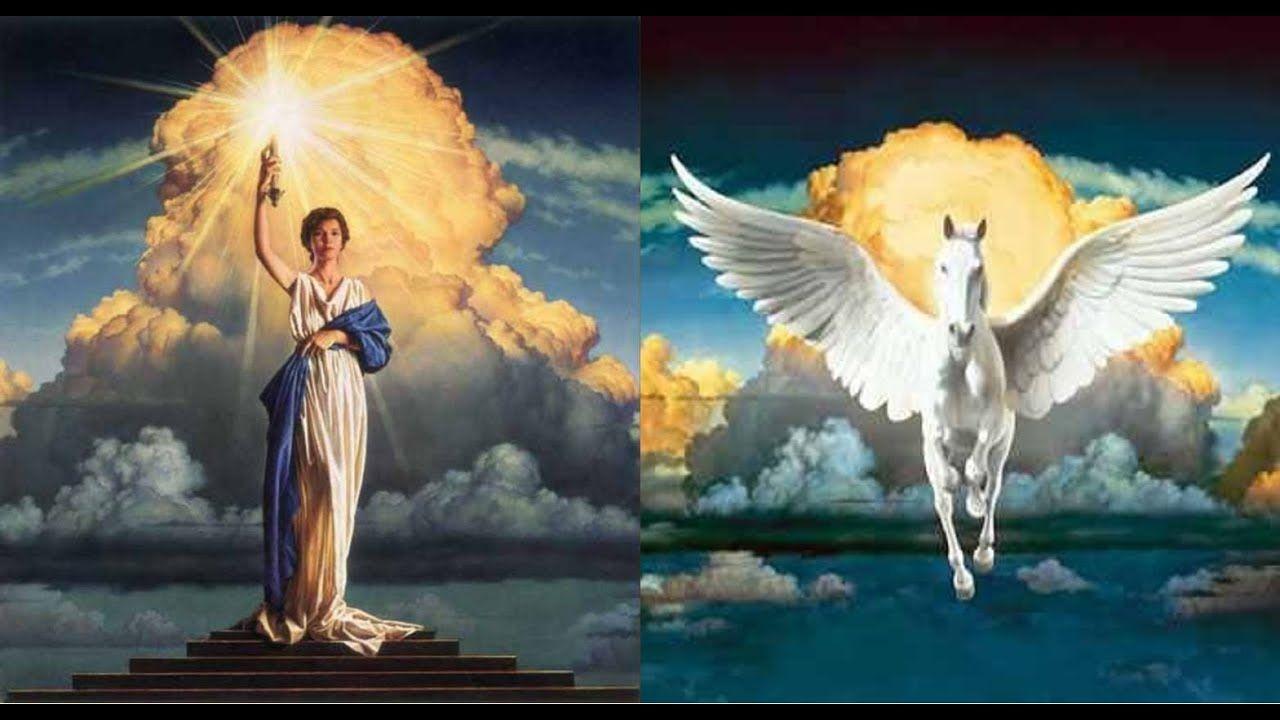
You know the feeling. The lights dim. The popcorn is way too salty. Suddenly, a woman holding a torch appears on the screen, followed by a majestic winged horse. Most people don't even think about it. They just see "the movie logos." But if you’ve ever wondered why Columbia Pictures TriStar Pictures are always mentioned in the same breath—or why they haven't just merged into one giant blob of a company—you’re looking at one of the weirdest, most successful survival stories in Hollywood.
Honestly, it's kinda wild how they’ve stuck around.
The industry is currently obsessed with "consolidation." Everyone is buying everyone. Yet, here we are in 2026, and the "Torch Lady" and the "Pegasus" are still distinct symbols. They aren't just remnants of the past. They represent a very specific business strategy that Sony has used to dominate the box office while other studios were busy tripping over their own streaming services.
The Weird History of Columbia Pictures TriStar Pictures
Let’s go back for a second. Most people think Columbia and TriStar have always been the same thing. They weren't.
Columbia is the old guard. It started as CBC Film Sales back in 1918. People called it "Cohn-Brandt-Cohn," but the industry nickname was "Corn, Beef, and Cabbage" because the movies were, well, cheap. By 1924, they changed the name to Columbia. They spent decades as a "Little Three" studio, fighting for scraps until Frank Capra turned them into a powerhouse with It Happened One Night.
TriStar? That was a 1982 experiment.
It was basically a "supergroup" formed by Columbia, HBO, and CBS. The idea was to split the insane costs of making movies. It was originally called Nova, but they had to change it because of the PBS show. It’s funny, right? One of the most iconic logos in history was a backup plan. Eventually, Coca-Cola (who owned Columbia at the time) bought everyone out.
The Sony Era and the 1998 "Shotgun Wedding"
When Sony bought everything in 1989 for $3.4 billion, everyone thought they’d just smash the two together. For a while, they didn’t. TriStar operated mostly on its own. They had Sleepless in Seattle and Terminator 2: Judgment Day.
Then 1998 happened. Godzilla—the one with Matthew Broderick—was a massive disappointment.
Sony panicked. They officially merged the two into the Columbia TriStar Motion Picture Group. But instead of killing one brand, they kept both. Why? Because the logos had "equity." Basically, audiences trusted the brands even if they didn't know who owned them.
What’s the Difference Between Them Now?
If you look at the slate for 2025 and 2026, you can see the split clearly. It’s not just random.
Columbia Pictures is the heavy hitter. It’s where the "Big" stuff lives. If it has a Marvel logo or a $200 million budget, it’s probably a Columbia release. Think Spider-Man, Venom, or the revived Karate Kid: Legends. It's the mainstream, "we need a billion dollars" arm of the studio.
TriStar Pictures is... cooler? Niche-er?
Under Nicole Brown, TriStar has become the home for "prestige-plus" movies. They do the stuff that feels like a real movie but still wants to make money. The Woman King was TriStar. Where the Crawdads Sing was TriStar. They handle the literary adaptations and the mid-budget dramas that other studios have basically given up on.
The 2026 Landscape: Who’s Running the Show?
Right now, the hierarchy is pretty set. Tom Rothman is the Chairman and CEO of the whole Motion Picture Group. He’s the guy who famously loves "theatrical windows" and hates sending movies straight to streaming.
- Sanford Panitch: President of the Motion Picture Group (now the sole president after Josh Greenstein left for Paramount in 2025).
- Peter Kang: Recently promoted to President of Production at Columbia.
- Nicole Brown: Still leading TriStar as President.
It’s a tight ship. They don’t have a "Sony+" streaming service to feed, which sounds like a weakness but has actually been their secret weapon. They sell their movies to the highest bidder—usually Netflix—after the theater run. This "arms dealer" strategy has kept Columbia Pictures TriStar Pictures profitable while Disney and Warner Bros. were bleeding cash on their apps.
The Myth of the "Silent Merger"
One thing people get wrong is the idea that the names don't matter anymore.
You’ll hear people say, "It’s all just Sony now." Sorta. But in Hollywood, the "label" matters for talent. A director might not want to make a "Sony Movie," but they definitely want to make a "Columbia Picture." It carries the weight of 100 years of history.
In 2024, Columbia celebrated its 100th anniversary. They even updated the Torch Lady logo (you probably saw it in front of Madame Web—sorry about that). That milestone wasn't just for show. It was a signal to the industry that despite being owned by a Japanese tech giant, the American film legacy of Columbia is still the priority.
Why This Matters for You (The Viewer)
When you see the Columbia Pictures TriStar Pictures names on a poster, it tells you what kind of experience you’re getting.
If it's Columbia, expect a spectacle. Expect franchises. Expect something that’s going to be in an IMAX theater. If it’s TriStar, expect a story. It’s probably going to be the movie you go see with your parents or the one that ends up in the Oscar conversation.
The most fascinating part of the 2026 movie scene is that Sony is leaning into these old brands harder than ever. They just signed a massive deal with Amazon MGM Studios to handle international distribution. They are expanding. They aren't shrinking.
Actionable Insights for Film Buffs and Investors
If you're following the business side of movies, keep these three things in mind:
- Watch the "Theatrical-Only" Slate: Sony is the last major studio without a dedicated streaming service. Their success or failure is the ultimate litmus test for whether movie theaters can survive.
- Follow the Labels: Don't just look at "Sony." Look at what TriStar is acquiring. They are often the bellwether for what "grown-up" movies will look like in the next three years.
- The "Arms Dealer" Model: Pay attention to the "Pay 1" windows. Most Columbia and TriStar movies hit Netflix about 4-6 months after theaters. If those deals change, the whole business model of the studio changes.
The Torch Lady and the Pegasus aren't going anywhere. In a world of digital icons and faceless corporations, these two symbols are some of the only "soul" left in the studio system. They’ve survived the transition from silent film to talkies, from TV to VCRs, and from DVDs to the streaming wars.
Next time the winged horse flies across your screen, remember: that horse survived a merger with Coca-Cola and a $2.7 billion write-off in the 90s just to show you a movie. That’s pretty impressive.