You know that feeling when you finally get exactly what you asked for, and within five minutes, you want to set the whole thing on fire? That is basically the vibe of Season 2 of Better Call Saul. After years of scraping by in the back of a nail salon, Jimmy McGill finally lands the "dream job." We’re talking a cocobolo desk, a company car (a 2004 Mercedes-Benz, no less), and a corporate apartment in Santa Fe.
But Davis and Main Better Call Saul isn't just a law firm; it’s a character study in why some people just aren’t built for a cubicle.
Honestly, it’s painful to watch. You want to scream at the TV, "Jimmy, just sit still for five minutes! Stop touching the switch!" But that’s the tragedy of it. The firm offered him everything he thought he wanted—respect, money, and a path to please his brother, Chuck. Instead, it became the gilded cage that fast-tracked his transformation into Saul Goodman.
What Was Davis and Main, Anyway?
Located in the heart of Santa Fe, New Mexico, Davis and Main was the "prestige" firm that partnered with HHM on the massive Sandpiper Crossing class-action lawsuit. While HHM felt like a cold, glass-and-steel monolith, Davis and Main felt... cozy. It was the kind of place where the founding partner, Clifford Main (played by the legendary Ed Begley Jr.), played acoustic guitar in his office to decompress.
It was supposed to be the "nice" firm.
The name itself actually has a fun real-world origin. Vince Gilligan, the show's co-creator, grew up in Richmond, Virginia. There used to be a restaurant there at the corner of Davis and Main streets. He liked the name so much he tucked it into the script.
Within the show, the firm represented the "New Mexico Way"—polite, professional, and agonizingly slow. For a guy like Jimmy, who was used to running scams in Cicero and hustling for $700-a-pop public defender cases, the pace was soul-crushing.
The Team Behind the Firm
- Clifford Main: The patient patriarch. He genuinely liked Jimmy and saw his potential, which makes the eventual betrayal hurt more.
- Erin Brill: The first-year associate who basically became Jimmy’s "babysitter." She was the personification of every rule Jimmy hated.
- The Unseen Partners: We hear about "Davis," but we never really meet him. Some fans speculate he’s long dead or retired, leaving Cliff to hold the reins.
The Cocobolo Desk and the "Don't Switch Off" Switch
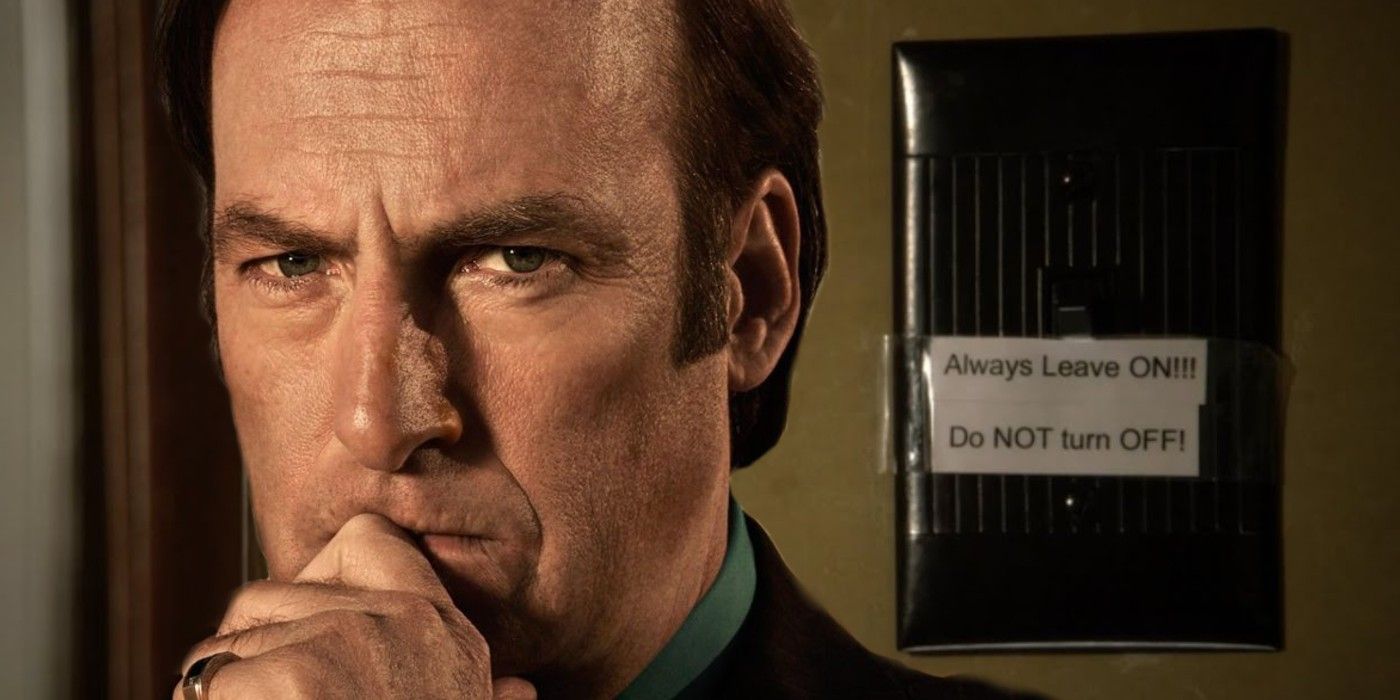
When Jimmy starts at the firm, he’s given a massive budget for an office desk. He chooses cocobolo wood. It’s expensive, it’s flashy, and it’s a symbol of his arrival. But there’s a much more important symbol in that office: a small light switch with a piece of tape over it that says "ALWAYS LEAVE ON. DO NOT TURN OFF."
What does Jimmy do? He flips it.
Nothing happens. He flips it again. Still nothing.
This tiny moment is the entire Davis and Main Better Call Saul arc in a nutshell. Jimmy cannot help himself. He has to poke the boundary. He has to see what happens when he breaks a rule, even a meaningless one. It wasn’t about the light; it was about the tape.
The Sandpiper Commercial: The Beginning of the End
The biggest point of friction at the firm was the "Sandpiper" outreach. Jimmy was a genius at getting elderly clients to sign up for the lawsuit. He had the "common touch." He’d go to the retirement homes, help them with their Hummels, and treat them like human beings.
But Cliff Main wanted everything done by the book. No "solicitation." No flash.
Jimmy, being Jimmy, produced his own commercial. It was a masterpiece of emotional manipulation—grainy footage of a lonely grandmother, a swelling soundtrack, and a clear call to action. It worked. The phones at Davis and Main rang off the hook.
But the partners hated it.
To them, it looked "low rent." It looked like ambulance chasing. This is the core conflict of the show: the "respectable" world of law vs. the world of getting results. Jimmy chose results; the firm chose reputation.
Why Jimmy Had to Get Fired (The Suit Montage)
One of the best sequences in the entire series is Jimmy trying to get fired from Davis and Main. Because of his contract, if he quit, he’d lose his massive signing bonus. If he was fired "without cause," he got to keep the cash.
Queue the world’s most obnoxious suit montage.
He started wearing neon-colored suits that made him look like a highlighter. He stopped flushing the toilets to "save water." He played bagpipes in the office. He brought a juicer to work and made a deafening racket every morning.
Cliff Main eventually gave in. The look on Cliff’s face when he fires Jimmy isn’t anger—it’s disappointment. He tells Jimmy, "I thought you were a diamond in the rough." Jimmy’s response? "I'm just the rough."
Lessons from the Davis and Main Era
Looking back, the Davis and Main period was the last time "Jimmy McGill" really had a chance to exist. If he had just played by the rules for a few years, he would have been a millionaire partner at a respected firm. He would have had Kim’s respect. He would have had everything.
But he couldn't do it.
What This Teaches Us About Business and Culture
- Culture Fit is Real: You can be the most talented person in the room, but if you hate the "vibe" of the office, you will fail.
- The Cost of "Proper": Davis and Main was so worried about looking professional that they almost missed out on the most effective marketing they ever had.
- Short-term Gains vs. Long-term Damage: Jimmy got his signing bonus, but he burned a bridge with one of the few powerful people in the legal world who actually gave him a fair shake.
How to Apply the "Jimmy McGill" Filter to Your Life
If you’re currently in a job that feels like Davis and Main Better Call Saul, ask yourself if you’re actually the problem. Are you a "Slippin' Jimmy" trying to fit into a cocobolo world?
- Identify the "Tape": What are the "don't touch" switches in your office? Are they there for a reason, or are they just tradition?
- Check Your Wardrobe: If you feel the urge to start wearing safety-orange suits to meetings, it might be time to update your resume.
- The "Cliff Main" Test: Do you have a mentor who genuinely wants you to succeed? If you’re constantly lying to them, you’re on the Saul Goodman path.
The tragedy of Davis and Main is that it was a good place. It wasn't a "villain" firm. It was just a normal, decent business that couldn't handle a guy who needed to color outside the lines.
Next time you watch those episodes, look at the background. Notice the art on the walls, the quiet hallways, and the stability. It was everything Jimmy needed, but none of what he wanted.
Next Steps for Fans:
- Watch Season 2, Episode 7 ("Inflatable") to see the full "getting fired" montage.
- Compare the Davis and Main offices to the Saul Goodman "Cathedral of Justice" in later seasons to see the total shift in Jimmy’s aesthetic.
- Look up the "Sandpiper Crossing" case details to understand just how much money Jimmy actually walked away from.