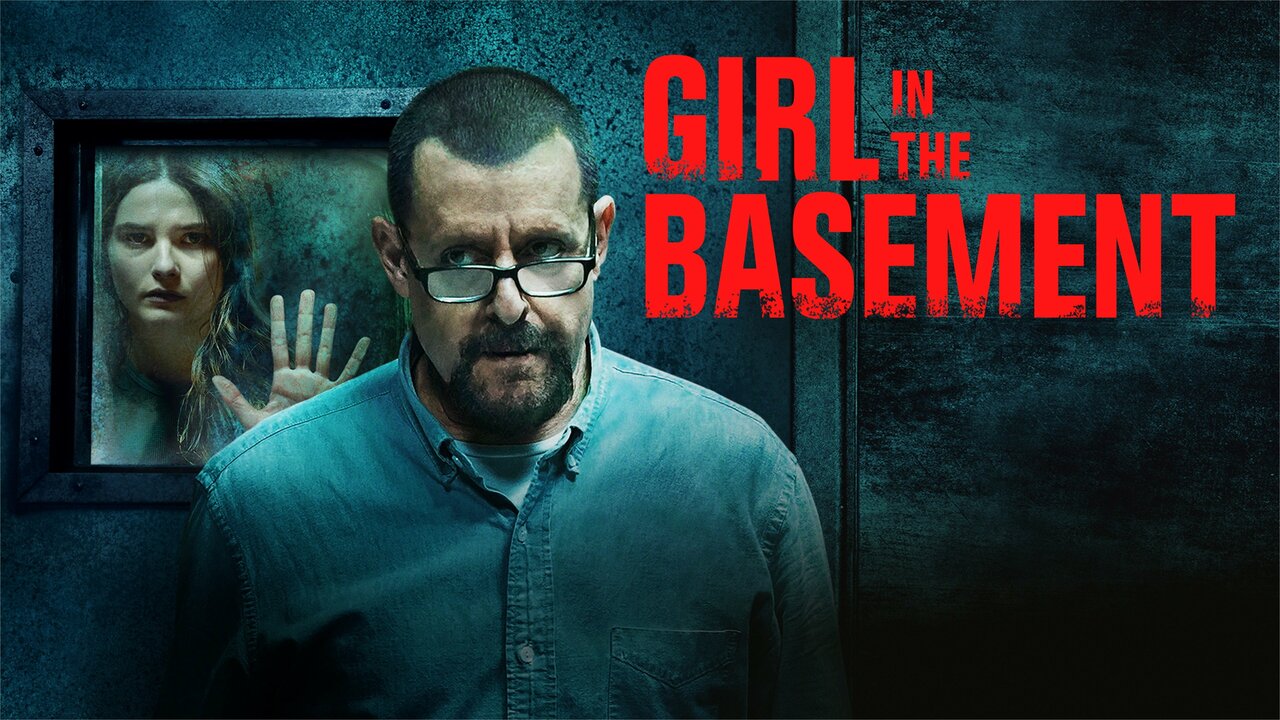
You’ve probably seen the movie. Or maybe you caught a snippet of it on TikTok and felt that immediate, sinking pit in your stomach. Girl in the Basement, the 2021 Lifetime film, isn't just another thriller designed to make you jump; it’s a visceral, often difficult-to-watch dramatization of a reality that actually happened. It’s dark. It’s heavy. Honestly, the most terrifying part isn't the acting or the low-budget lighting—it’s the fact that the script is anchored in the horrific real-life case of Elisabeth Fritzl.
When the movie dropped, people were divided. Some saw it as a necessary exploration of survival. Others felt it was exploitative. But regardless of where you land, the film reignited a massive conversation about "hidden" crimes and how a person can vanish right under everyone’s noses.
What Girl in the Basement Actually Gets Right
The film moves the setting to suburban America and changes the names—Elisabeth becomes Sara, and her father Josef becomes Don—but the bones of the story stay chillingly close to the source material. Don, played with a skin-crawling intensity by Judd Nelson, is a control freak. He’s the kind of guy who needs everything "just so." When his daughter Sara tries to assert her independence, he doesn't just ground her. He lures her into the basement, locks a reinforced door, and keeps her there for twenty years.
Twenty years. Think about that. That's not just a long time; it's a lifetime.
In the real-world case of Elisabeth Fritzl, which occurred in Amstetten, Austria, the confinement lasted from 1984 to 2008. The movie captures the claustrophobia perfectly. You see the walls closing in. You see the makeshift "rooms" that are really just cages. Most importantly, the film depicts the psychological warfare. It’s not just about the physical locks; it’s about the breaking of a human spirit.
The Real Story Behind the Screen
If you think the movie is intense, the reality was arguably worse. Elisabeth Fritzl was 18 when her father drugged her and took her to a cellar he had been secretly outfitting for years. He told her mother and the authorities that she had run away to join a cult. Because she had a history of being a bit rebellious, everyone believed him.
For twenty-four years, she lived in a windowless bunker. She gave birth to seven children in that basement. Some stayed with her; others were "found" by Josef on his doorstep with notes—written by Elisabeth under duress—claiming she couldn't care for them. He "charitably" adopted them. The neighbors saw a stern but helpful grandfather. They had no idea that a few feet beneath their feet, a woman was living in a soundproofed nightmare.
Why We Can't Stop Watching Stories Like This
There is a specific kind of morbid curiosity that drives the success of Girl in the Basement. We want to believe that we would notice if something was wrong next door. We want to believe we’d hear a scream or see a flickering light.
But the movie highlights a terrifying truth: evil often looks remarkably mundane.
Don isn't a monster hiding in the woods. He’s the guy who mows his lawn on Saturdays. He’s the guy who pays his taxes. This "banality of evil," a term famously coined by Hannah Arendt, is what makes the film so resonant. It taps into our deepest fears about the people we think we know.
The Controversy of the "Lifetime" Treatment
Lifetime is known for a very specific vibe. Usually, it's melodramatic, slightly over-the-top, and ultimately "safe." Girl in the Basement broke that mold. It was grittier. It was meaner.
Some critics, like those at Common Sense Media and various true crime forums, argued that the film bordered on "trauma porn." They felt that by turning Elisabeth’s suffering into a Friday night movie, the creators were capitalizing on a tragedy without offering enough depth.
However, supporters of the film argue that Stefanie Scott’s performance as Sara brought a level of dignity to the role. She didn't just play a victim; she played a survivor who managed to create a world for her children in the middle of a hellscape. She showed the resilience of the human mind. Honestly, the scenes where she tries to teach her children about the "outside" world—a world they’ve never seen—are some of the most heartbreaking bits of cinema in recent years.
Comparing the Movie to the "Room" Phenomenon
It’s impossible to talk about this movie without mentioning Room, both the book by Emma Donoghue and the film starring Brie Larson. While Room was inspired by the Fritzl case, it took a much more poetic, internal approach. It focused on the bond between mother and son.
Girl in the Basement is much more literal. It’s more of a police procedural/thriller hybrid. It wants you to feel the grit and the cold. If Room is a story about the power of imagination, Girl in the Basement is a story about the mechanics of a crime. It shows the construction of the bunker. It shows the logistical nightmare of keeping a secret that big for that long.
Key Differences Between Fact and Fiction
While the movie is "inspired by true events," there are some significant pivots:
- The Timeline: The movie compresses the timeframe slightly for pacing, though it still covers two decades.
- The Discovery: In real life, the secret came out when one of the children became seriously ill and had to be taken to a hospital. The movie uses a similar catalyst but heightens the "action" beats to make for a more dramatic climax.
- The Mother's Role: In the Fritzl case, Rosemarie Fritzl was largely cleared of any knowledge of the crimes, though many still find it hard to believe she knew nothing. The movie plays with this ambiguity, showing the mother as someone who is deeply repressed and perhaps willfully ignorant.
The Lingering Impact on Pop Culture
Why are we still talking about this years after the movie came out?
Part of it is the "TikTok effect." Short clips of the film’s most intense moments go viral every few months, leading a new generation of viewers to discover the story. But more than that, it's about our obsession with the "hidden." We live in an era where everyone shares everything on Instagram and Life360. The idea that someone could be completely erased while staying in the same house is a glitch in our modern perception of reality.
It’s also a cautionary tale about power dynamics. The film isn't just about a basement; it’s about patriarchy gone toxic. It’s about the extreme end of "head of the household" ideology, where a man believes he literally owns the people under his roof.
Actionable Takeaways and Real-World Awareness
Watching a film like Girl in the Basement can leave you feeling helpless. But there are actual, real-world lessons to be gleaned from these stories.
First, the case of Elisabeth Fritzl—and by extension, the film—is a massive case study for social workers and law enforcement. It changed how people look at "runaway" cases. Now, there’s a much greater emphasis on verifying the well-being of a person, even if they've left a note or "sent" a letter.
Second, it reminds us to trust our instincts. In many of these real-life "dungeon" cases (like the Ariel Castro kidnappings in Cleveland), neighbors later admitted they thought things were "weird" but didn't want to overstep.
- Pay attention to red flags: Extreme secrecy, boarded-up windows, or neighbors who bring in massive amounts of groceries but live "alone."
- Support survivor resources: Organizations like RAINN (Rape, Abuse & Incest National Network) provide the kind of long-term support that survivors like Elisabeth Fritzl actually need after they are freed.
- Understand the psychology: Recognizing the signs of coercive control can help intervene in abusive situations before they escalate to this extreme.
Girl in the Basement is a tough watch. It’s supposed to be. It serves as a grim reminder that while the credits roll after 90 minutes, for the people who lived the real versions of these stories, the "basement" is something they carry with them for the rest of their lives. The best thing we can do as viewers is move past the shock value and understand the systemic failures that allow these horrors to happen in the first place.