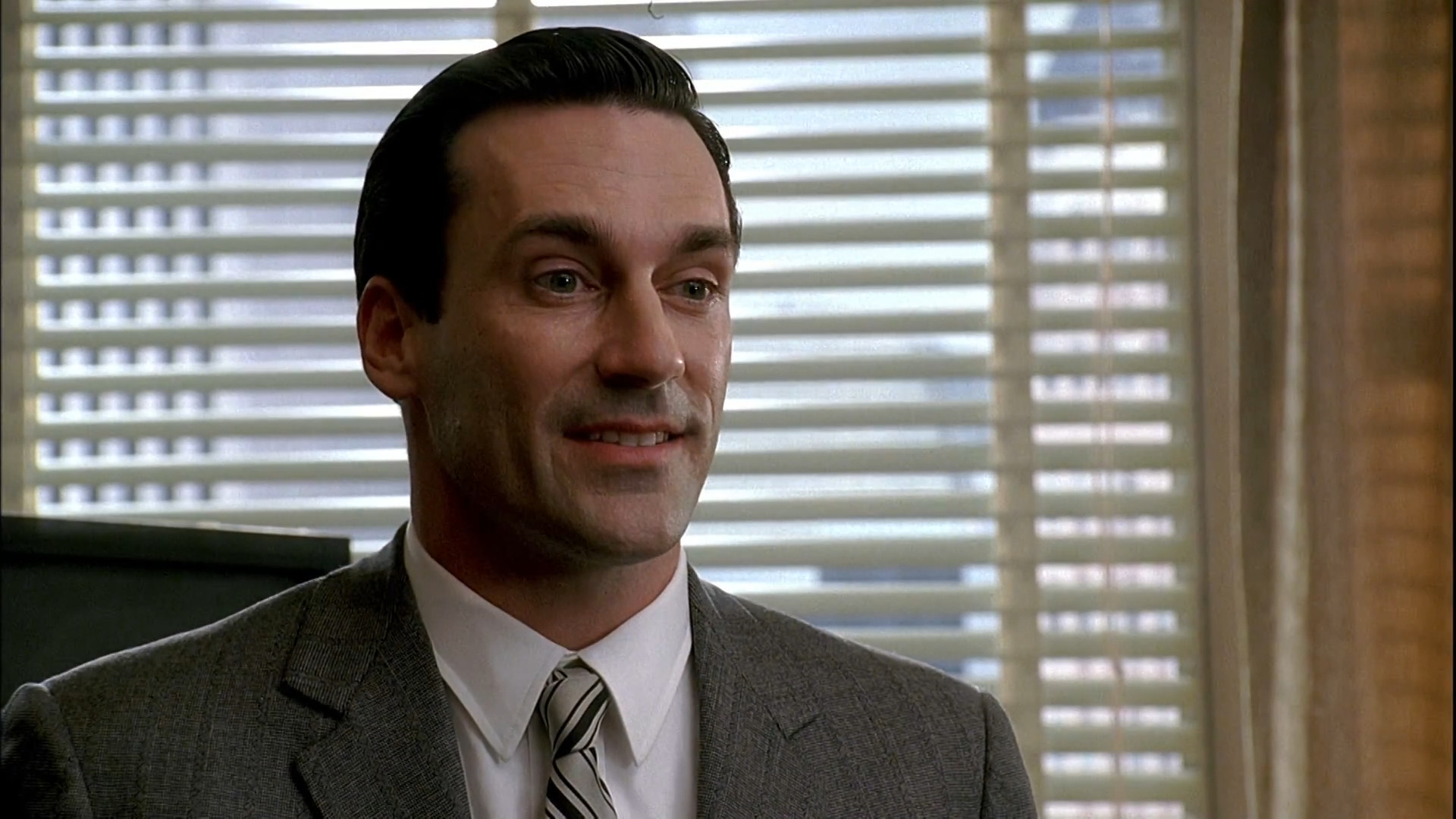
If you’ve watched Mad Men, you know the feeling of the "pit in your stomach" whenever Lane Pryce is on screen in Season 5. It’s a slow-motion car crash. You want to reach through the screen and tell him to just ask Don for a loan. He’s the most buttoned-up, "stiff upper lip" character in the show, yet he ends up being the one who breaks in the most violent way possible. Honestly, Lane Pryce's death in the episode "Commissions and Fees" isn't just a plot twist; it’s the moment the 1960s dream officially died for the partners at Sterling Cooper Draper Pryce.
He was the man who kept the lights on. He was the one who fired the dead weight so the agency could survive. But because of a mix of British pride, American greed, and some truly terrible luck with the tax man, Lane became a ghost in his own office.
The Forgery That Sealed His Fate
Basically, it all comes down to $7,500. In today’s money, that’s roughly $70,000. For Don Draper or Roger Sterling, that’s a heavy weekend in Atlantic City. For Lane, it was the price of his life.
Lane was "cash poor" in a way the other partners couldn't understand. When Lucky Strike left the agency in Season 4, all the partners had to pony up $50,000 to keep the firm afloat. Lane didn't have it sitting in a vault. He had to liquidate his entire British portfolio to cover his share. This triggered a massive capital gains tax bill from Her Majesty’s Revenue and Customs (HMRC).
He was trapped.
He couldn't go back to England because he owed the government money. He couldn't stay in New York because he was drowning in debt. Instead of asking his wealthy friends for help, Lane did the one thing he knew Don Draper was a master of: he faked it. He extended the company’s line of credit by $50,000, told the partners there was a surplus, and then forged Don’s signature on a "bonus" check for himself.
He thought he was just taking a 13-day loan. He was wrong.
Don Draper’s Hypocrisy
The most brutal part of the Lane Pryce Mad Men arc is the confrontation. When Bert Cooper finds the canceled check, he assumes Don gave Lane an unauthorized bonus. Don, ever the "principled" man when it suits him, confronts Lane.
It’s a masterclass in tension.
Lane tries to explain. He gets angry. He shouts about how he’s the one who does the "piddly" work while they play at being geniuses. But Don doesn't care. Don, a man who literally stole a dead soldier’s identity to start a new life, tells Lane he can’t trust him anymore.
"I'm going to need your resignation," Don says.
He tells Lane to think of an "elegant exit." He thinks he’s being kind. He tells Lane it’s the worst part of starting over, but that it can be done. But Lane isn't Don. He doesn't have the "hobo code" in his DNA. He doesn't know how to shed his skin and become someone else. To Lane, a loss of reputation is a death sentence.
That Damn Jaguar
There is a dark, twisted irony in Lane’s first suicide attempt. His wife, Rebecca, buys him a brand-new Jaguar to celebrate his "success." She has no idea they are broke. She has no idea he just lost his job.
Lane tries to kill himself in the garage using the car’s exhaust.
The car won't start.
It’s a callback to a joke earlier in the series about how Jaguars are beautiful but mechanically useless. Even in his final moment of despair, the very thing he helped the company win as a client fails him. Jared Harris, the actor who played Lane, once mentioned in an interview that he fell off his chair laughing when he first read that script beat. It’s "the joke" that makes the reality of what happens next even harder to swallow.
When he finally goes back to the office to hang himself, he leaves a boilerplate resignation letter. No emotional goodbye. No explanation. Just the "stiff upper lip" until the very end.
Why Lane Pryce Still Matters in 2026
Watching this today, Lane’s story feels more relevant than ever. It’s a story about the "middle-class trap." He worked hard, followed the rules, and played the game, but he didn't have the safety net that the "old money" guys like Roger had.
He was an outsider.
He was the "British guy" in an American firm, always slightly out of step with the culture. He tried to be "one of the boys"—remember the fistfight with Pete Campbell?—but he never truly belonged.
Key Takeaways from Lane's Downfall:
- Shame is a Killer: Lane’s inability to admit he was in trouble cost him everything. Any of the partners would have written him a check for $7,500 in a heartbeat.
- The Identity Paradox: Don Draper could forgive himself for theft and identity fraud, but he couldn't forgive Lane for a small-scale embezzlement.
- The Cost of "Keeping Up": Lane was living a lifestyle he couldn't afford because he felt it was required of his position.
What to Do If You're Re-watching
If you’re going back through Season 5, keep an eye on the background details. There are so many "death" omens surrounding Lane. In one episode, he finds a photo of a woman in a wallet and keeps it, a tiny piece of a life he wished he had. In another, he’s seen staring at the empty elevator shaft—a literal void.
To truly understand the Lane Pryce Mad Men tragedy, look at the faces of the partners when they find him. They aren't just sad; they are terrified. They realized that the world they built—the world of lies, booze, and ego—actually had real-world consequences.
If you find yourself relating too much to Lane's "cash poor" anxiety or the feeling of being unappreciated at work, take it as a sign to speak up. The tragedy of Lane Pryce wasn't just the embezzlement; it was the silence that preceded it. Check out the episode "Signal 30" for a deeper look at his inner life before the financial walls started closing in.
Next steps: Re-watch Season 5, Episode 12, "Commissions and Fees," and pay close attention to the Lovin' Spoonful song that plays at the end—it perfectly captures the "moving on" culture of the agency that Lane simply couldn't survive.