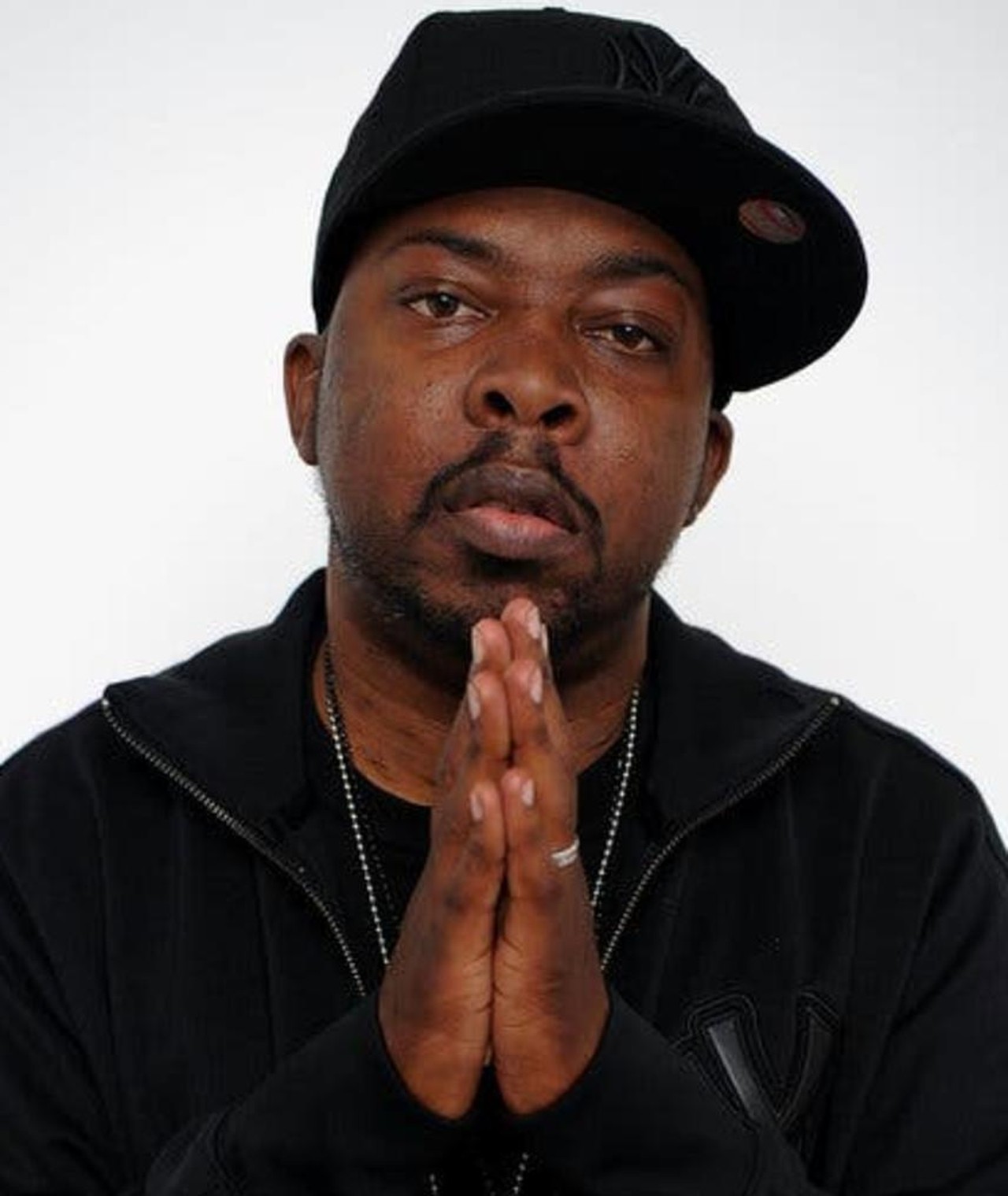
The hip-hop world felt a massive shift on March 22, 2016. It wasn't just another Tuesday. Malik Taylor, better known to the world as Phife Dawg, passed away at the age of 45. For fans of A Tribe Called Quest, it felt like losing a family member. He was the "Five Foot Assassin," the high-pitched, witty counterpoint to Q-Tip’s smooth delivery. But behind the legendary verses and the sports metaphors, Malik was fighting a battle that most of us only caught glimpses of through his lyrics.
So, what exactly was the Phife Dawg cause of death?
If you ask anyone who followed his career closely, they’ll tell you it was diabetes. Specifically, he died from complications resulting from Type 1 diabetes. It wasn't a sudden, out-of-the-blue tragedy, though it felt that way to the public. It was the culmination of a twenty-six-year struggle with a disease that Phife himself admitted he didn't always handle perfectly.
The Reality of the Funky Diabetic
Phife was diagnosed with diabetes in May 1990. He was only 19 years old. Think about that for a second. At the exact moment his career was taking off with People's Instinctive Travels and the Paths of Rhythm, he was being told his body couldn't process sugar correctly.
He didn't hide it, though. On the 1993 track "Oh My God," he famously rapped: "When's the last time you heard a funky diabetic?" It was a cool line. A bit of bravado. But the reality was much grittier. In the 2011 documentary Beats, Rhymes & Life: The Travels of A Tribe Called Quest, Phife was incredibly vulnerable. He admitted he was essentially "addicted to sugar."
He’d be on tour, surrounded by snacks and soda, and the temptation was just too much. It’s hard to stay on a strict renal diet when you’re living on a tour bus and performing every night. His mother, Cheryl Boyce-Taylor, later mentioned that the disease ran in the family, making it an uphill battle from the start.
The Kidney Transplant and Renal Failure
By 2008, things got serious. His diabetes had led to renal failure.
His kidneys were essentially quitting on him. This is a common, albeit terrifying, progression of long-term diabetes when blood sugar isn't tightly controlled. He needed a transplant to survive. In a move that defines true love, his wife, Deisha Taylor, donated one of her kidneys to him in 2008.
It bought him more time. It gave him the energy to reunite with the Tribe for shows and to start working on what would eventually be their final album, We Got It from Here... Thank You 4 Your Service.
However, by 2012, the transplant began to fail. He was back on the transplant list. He was undergoing dialysis three times a week. If you've ever known anyone on dialysis, you know it’s grueling. It drains your energy, your spirit, and your time. Yet, he was still recording. He was still traveling between his home in Oakland and the studio in New Jersey.
Why Phife Dawg Cause of Death Matters Today
Honestly, Malik’s story is a cautionary tale, but also one of incredible resilience. He didn't die because he didn't care; he died because diabetes is a relentless, unforgiving disease. It’s particularly aggressive in the African American community, where the American Diabetes Association notes that Black adults are nearly twice as likely to be diagnosed with diabetes as white adults.
Phife's death brought a lot of attention to how we talk about health in hip-hop. Before him, rappers were invincible. After him, there was a realization that "the grind" has physical costs.
He was in his home in Oakley, California, when he passed. The official statement from his family confirmed the Phife Dawg cause of death was complications of diabetes. He left behind a wife, a daughter, and a discography that changed the DNA of music.
Managing a Legacy and Health
Looking back at Phife’s journey, there are some pretty clear takeaways for anyone dealing with chronic illness or supporting someone who is:
- Acknowledge the Addiction: Phife calling his sugar habit an "addiction" was huge. It shifted the conversation from "bad choices" to a genuine struggle with health and habits.
- Support Systems are Vital: Without his wife’s donation and his group's support, we might have lost him much sooner.
- Consistency is Everything: The "funky diabetic" line was iconic, but the daily management of blood sugar is what determines the long-term outcome.
If you are a fan or someone struggling with similar health issues, the best way to honor Malik Taylor is to stay on top of your own numbers. Check your blood sugar. Listen to your doctors. Don't be "in denial" as Phife admitted he was for many years.
To really dive deeper into the health side of things, you can look into the resources provided by the Juvenile Diabetes Research Foundation (JDRF) or the American Diabetes Association. They offer specific guides on managing Type 1 diabetes later in life. Additionally, watching the documentary Beats, Rhymes & Life gives a much more personal look at how the disease impacted the group's internal dynamics and Phife's daily reality.