If you’ve ever sat through a three-hour episode of Monday Night Raw or stayed up way too late for a New Japan Pro-Wrestling (NJPW) Wrestle Kingdom show, you know the feeling. Sometimes, a standard wrestling match just isn’t enough. We’ve all seen the basic "one fall to a finish" a million times. It's the bread and butter. It's safe. But eventually, the drama needs a massive kick in the teeth. That’s where pro wrestling match types come in to save—or sometimes completely ruin—the show.
Honestly, the variety is staggering. You go from a basic technical masterpiece to a guy getting thrown off a 20-foot cage into a pile of thumb-tacks. It's weird. It's violent. It’s theater with real gravity.
The Psychology of the Gimmick
Why do we even have these different rules? It’s basically about escalation. If two wrestlers have been hitting each other with chairs for three months, a regular match at the next Pay-Per-View feels like a letdown. You need the "Stipulation."
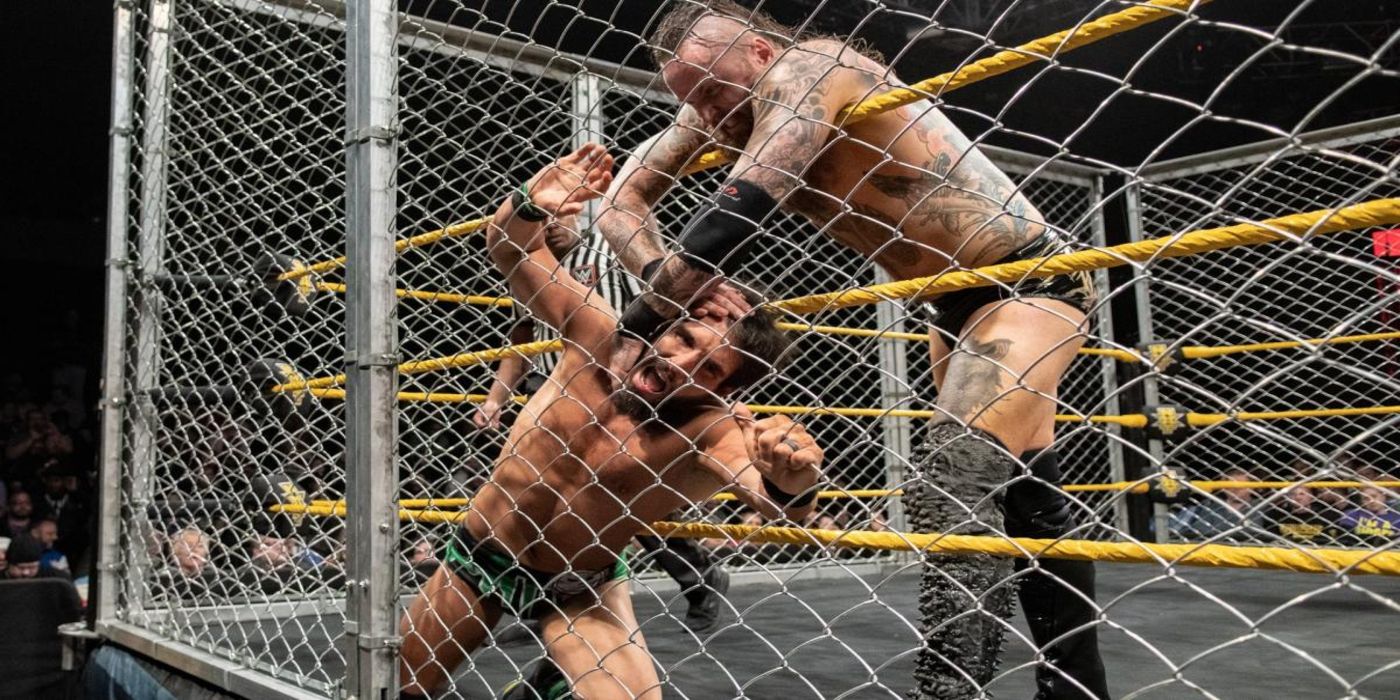
Think about the classic Steel Cage match. Back in the day, the cage was meant to keep people out. It was a way to stop the heel’s manager from interfering. Now? It’s mostly used as a giant jungle gym for high-flyers to jump off of. Times change. But the core goal of any of these pro wrestling match types remains the same: it provides a definitive end to a story that has become too big for a standard ring.
The Blood and Guts Era vs. Modern Spectacle
In the 70s and 80s, if you saw a "Lights Out" match, you knew someone was going home in an ambulance. It was raw. Modern fans, especially those watching AEW or WWE in 2026, expect a different kind of polish. We want the car crashes, but we also want the logic to hold up. If a wrestler can win by escaping the cage, why do they keep trying to climb back in to splash their opponent? It’s a plot hole we all just sort of agree to ignore for the sake of the "Holy Shit" chant.
High-Stakes Chaos: The Battle Royal and the Royal Rumble
The Royal Rumble is arguably the greatest invention in the history of the business. Pat Patterson, the genius behind the layout of the first one in 1988, understood something fundamental about human nature. We love surprises.
The Rumble is technically a variation of a Battle Royal, but the staggered entries changed everything. It’s a masterpiece of pacing. You get a new character every 90 seconds (usually). It keeps the crowd from getting bored. Most pro wrestling match types struggle with "dead air," but the Rumble solves that by literally injecting a new person into the mix just as things start to slow down.
Then you have the "Casino Battle Royale" in AEW. It uses card suits to determine entry groups. It’s a bit more chaotic, maybe a little harder to follow if you've had a few beers, but it serves the same purpose. It's a localized explosion of talent.
When Things Get Hardcore
We can't talk about match variations without hitting the "Hardcore" or "Deathmatch" scene. This is where things get polarizing. You have the "Extreme Rules" matches in WWE, which, let's be real, are often just "Standard Match with a Kendo Stick."
Then you have the real stuff.
- The Barbed Wire Massacre: Often seen in TNA (Impact) or GCW.
- The Exploding Barbed Wire Deathmatch: A legendary Japanese staple that AEW famously tried to replicate with... mixed results (that "explosion" at the end of Kenny Omega vs. Jon Moxley was a bit of a sparkler show, wasn't it?).
- Ladder Matches: The gold standard. Shawn Michaels and Razor Ramon at WrestleMania X set the blueprint. It’s not just about the stunts; it’s about the "climb." The ladder is a physical manifestation of the struggle for the title.
The "I Quit" Match
This is the ultimate psychological match. There is no pinfall. There is no submission tap-out. You have to say the words into a microphone. It’s embarrassing. It’s a total loss of pride.
The famous "I Quit" match between The Rock and Mankind at the 1999 Royal Rumble is a hard watch today. Mick Foley took 11 unprotected chair shots to the head while handcuffed. It was brutal. It was too much. But it showed exactly what this match type is designed to do: push a character to their absolute breaking point. Modern versions are much safer, focusing more on the "torture" of a submission hold than actual blunt force trauma, which is probably for the best.
The Multiman Mess: WarGames and Beyond
Dusty Rhodes came up with WarGames while watching Mad Max Beyond Thunderdome. Two rings, one giant cage, two teams. It’s a war of attrition.
The beauty of WarGames is the "Match Beyond." The match doesn't even officially start until every single participant has entered the cage. It’s a long-form story. You see the babyfaces get beat down while they are at a numerical disadvantage, waiting for their teammate to save the day. It’s basic storytelling, but in a double-ring setup, it feels massive.
Why Some Match Types Disappear
Ever wonder what happened to the "Bra and Panties" match? Or the "Evening Gown" match? They were relics of the "Attitude Era," a time when wrestling was marketed primarily to horny teenage boys. They’re gone now. Good riddance.
They didn't work because they weren't about wrestling. They were about humiliation.
Similarly, the "Chamber of Horrors" or the "Kennel from Hell" (where dogs were supposed to be aggressive but instead just relieved themselves at ringside) failed because they were over-engineered. When you add too many bells and whistles, the wrestlers can't actually do their jobs. The best pro wrestling match types enhance the physical struggle; they don't replace it with a gimmick that gets in the way.
Tactical Insights for the Modern Fan
If you're trying to figure out which stipulations are worth your time, look at the participants. A "Submission Match" between two guys who can't actually grapple is going to be a disaster. A "TLC" (Tables, Ladders, and Chairs) match with two 300-pounders who can't climb a ladder is just going to be slow.
Match types are tools. A hammer is great for a nail, but it’s useless for a screw.
The Evolution of the Iron Man Match
The Iron Man match (usually 30 or 60 minutes) is the ultimate test of cardio. Bret Hart and Shawn Michaels at WrestleMania XII is the famous one, though some people find it a bit dry because it went 0-0 for the entire hour. Modern fans often prefer the "Iron Survivor Challenge" in NXT, which adds a penalty box and a points system. It’s faster. It’s more "video gamey."
The Wrap-Up on Stipulations
At the end of the day, pro wrestling match types exist to make us feel something different. Whether it’s the claustrophobia of a Hell in a Cell or the frantic energy of a 24/7 title scramble, these rules define the era. They reflect what the audience craves. Right now, we crave a mix of nostalgic brutality and high-concept athleticism.
Next time you see a "Strap Match" announced, don't just roll your eyes. Look at the story. Is it about one guy trying to run away? Then the strap makes sense. It’s about the narrative.
Actionable Next Steps for Fans and Students of the Game
- Watch the Origins: Go back and watch the first-ever Money in the Bank ladder match from WrestleMania 21. Notice how the spots were built around the characters, not just the stunts.
- Analyze the Finish: Pay attention to how a stipulation is used to "protect" a loser. Often, a "No Disqualification" match is used so a champion can lose without looking weak.
- Diversify Your Viewing: Check out Lucha Libre's "Luchas de Apuestas" (Bet matches), where hair or masks are on the line. The stakes are often higher than any championship belt.
- Track the Trends: Notice how "Cinematic Matches" (like the Boneyard Match) spiked during the pandemic but have mostly faded away. Understanding why certain types fail helps you appreciate the ones that stick.