You’ve probably seen the grainy clips floating around TikTok or stumbled upon that one Reddit thread that makes you want to keep the lights on. People are talking about Strange Frequencies: Taiwan Killer Hospital 2024 like it's some leaked government footage or a tragic true crime case that got swept under the rug. Honestly, the internet has a way of blurring those lines until you don't know what's real and what's just a really good marketing team at work.
Basically, if you’re looking for a "killer hospital" where people are dropping dead from weird radio waves in the real world, you can breathe a sigh of relief. It’s a movie. But—and this is a big but—it’s filmed in a way that makes your brain fight with your eyes.
What is Strange Frequencies: Taiwan Killer Hospital 2024?
This thing isn't a documentary. It is a Filipino "found footage" horror film that hit theaters as an official entry in the 2024 Metro Manila Film Festival (MMFF). Directed by Kerwin Go, it’s actually an official remake of a South Korean cult classic called Gonjiam: Haunted Asylum.
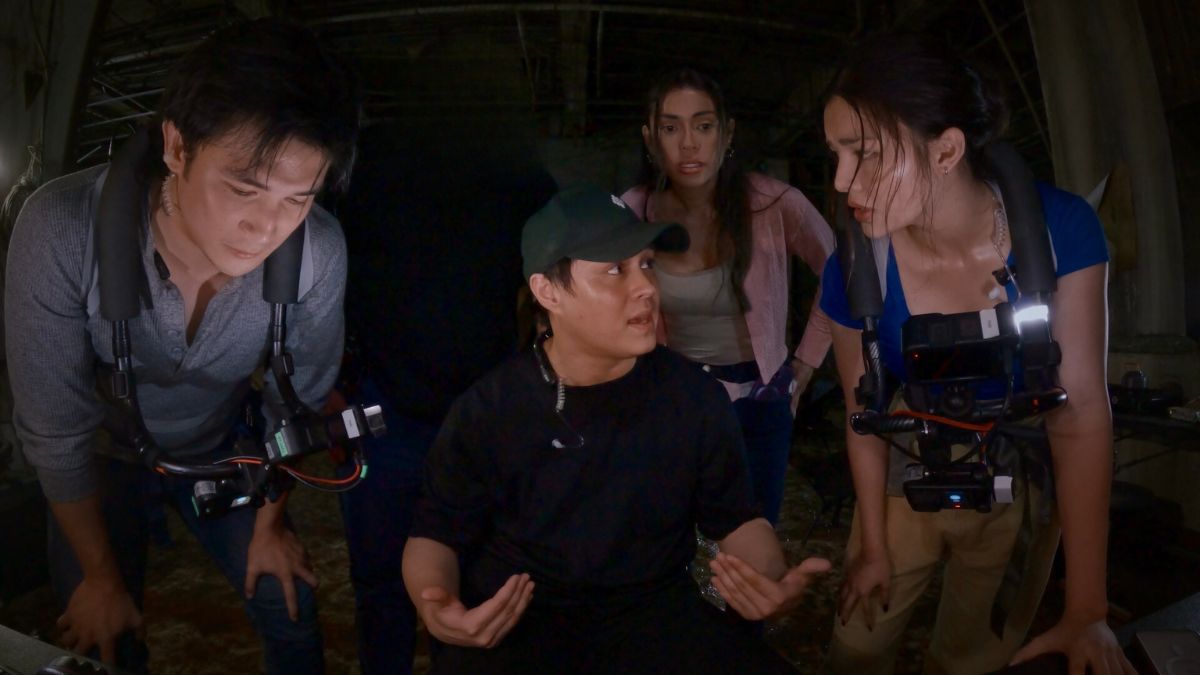
The premise is kinda genius for the 2020s. You’ve got a group of real-life celebrities—people like Enrique Gil, Jane de Leon, and Alexa Miro—playing "themselves." They head to Taiwan to livestream an investigation of the infamous Xinglin General Hospital. The goal? Hit three million live viewers. They use what they call "GoCam" tech, which is basically GoPros strapped to everyone so you see their terrified faces and what they’re looking at simultaneously.
It feels real because the actors are using their real names and acting like the influencers we see every day. They joke, they chase clout, and they ignore red flags for the sake of the "subscribers."
The legend of Xinglin General Hospital
While the "killer frequencies" part is a script element, the hospital itself is very much a real place. Located in Tainan City, Taiwan, Xinglin General Hospital has been abandoned since the early 90s.
It didn't close because of ghosts. It closed because of messy lawsuits involving medical malpractice and a string of wrongful deaths. For thirty years, it just sat there, rotting. Locals tell stories about a wailing old lady in the 7th-floor atrium and infants crying in the basement.
In the film, they lean hard into these "strange frequencies" or echoes of the past. There's this plot point about a resident nurse who allegedly poisoned 15 infants. The "frequencies" in the title refers to the paranormal audio captured on their EMF meters and recording gear—sounds that shouldn't be there, mimicking the voices of the crew to lure them deeper into the dark.
Why everyone thinks it’s a real event
The 2024 release used a "meta" marketing strategy. Because the cast consists of actual famous personalities in the Philippines, the early teasers looked like real vlog updates.
- The footage is intentionally shaky and low-res.
- The characters use actual social media lingo.
- There was no "movie star" makeup; they looked sweaty, tired, and genuinely panicked.
When people search for "Taiwan killer hospital 2024," they’re usually reacting to the third act of the movie where things go absolutely sideways. The "live stream" glitches, people start disappearing, and the "strange frequencies" start distorting the reality of the broadcast. It’s designed to make you feel like you’re watching a Zoom call from hell.
Is it actually scary?
Scary is subjective, obviously. If you’ve seen the original Gonjiam, you know the beats. But this version adds a layer of dark humor about "clout-chasing" culture. There’s a scene where a character is literally choking, and another character reminds them to keep the camera angled right so they don't lose the audience. It’s uncomfortable because it feels like something a real YouTuber might do.
The "strange frequencies" come into play during the "silence" scenes. The sound design is where this movie wins. You hear these wet, clicking noises and voices that sound almost like the main characters but just slightly off-pitch. That’s the stuff that sticks with you after the credits roll.
What most people get wrong about the "Killer" part
There is no "killer frequency" weapon or scientific anomaly at the real Xinglin Hospital. If you go there today (though it’s condemned and technically off-limits), the only things likely to kill you are tetanus or a falling ceiling tile.
The "Killer Hospital" tag in the title is more of a nickname the film gives the location to up the stakes. In the movie's lore, the hospital itself acts like a predator, using these frequencies to trap the influencers in a loop where they can't find the exit.
How to watch it without getting fooled
If you want to check it out, it's currently streaming on platforms like Netflix in several regions. Just remember:
- It’s a Remake: If it feels familiar, it's because it's following the Gonjiam blueprint very closely.
- The Cast is Real, the Plot is Not: Enrique Gil is a very successful actor, not a missing vlogger.
- Check the Credits: You’ll see a whole list of cinematographers and editors. Real ghost footage doesn't have a "Best Boy Grip."
The film serves as a pretty sharp critique of how far people will go for a "like." It shows a group of people so obsessed with their "Strange Frequencies" viewership count that they don't realize they've walked into a death trap until the door is literally locked from the outside.
If you’re planning on watching, do yourself a favor: use headphones. The "strange frequencies" the movie talks about are buried in the audio mix, and that’s where the real creeps are. Just don't blame me if you start hearing clicking noises in your own hallway afterward.
Next Steps for the Curious:
- Watch the source material: Look up Gonjiam: Haunted Asylum (2018) to see how the original stacks up against the 2024 remake.
- Research the real Xinglin: Look for urban explorer (Urbex) videos of Xinglin General Hospital from 2020-2023 to see what the building actually looks like without the movie filters.
- Check the MMFF archives: If you're interested in the "meta" aspect, look for the 2024 press conferences where the cast talks about the "GoCam" filming process.