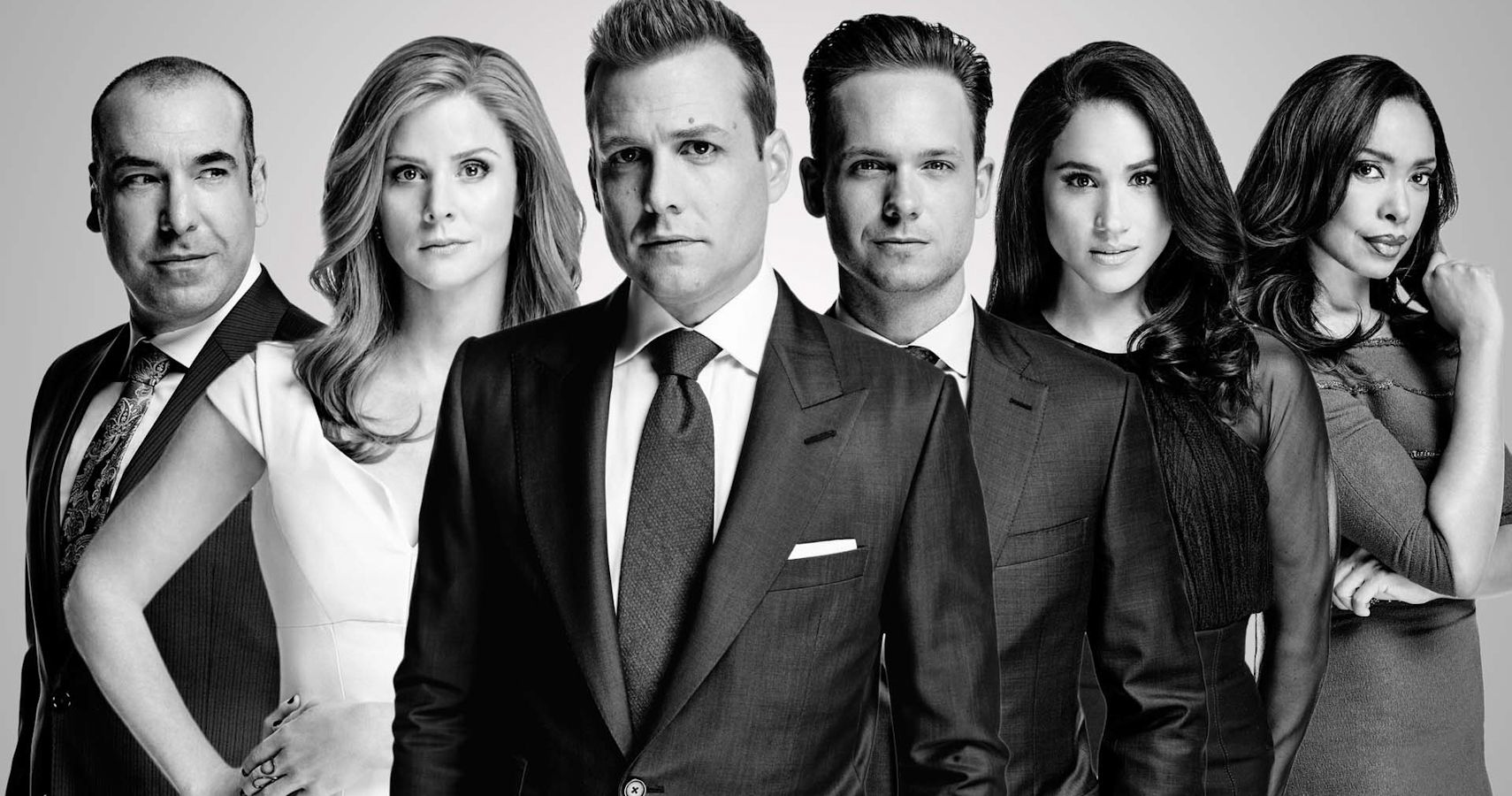
Let's be real. When Patrick J. Adams and Meghan Markle announced they were leaving at the end of Season 7, most of us thought Suits was dead in the water. How do you keep a show going when the central hook—the secret of the fraud—is literally gone? It felt like the writers were just playing for time. But looking back at the Suits season 8 episodes, there’s a weird, gritty energy that actually saved the series from becoming a total caricature of itself. It stopped being a show about a secret and started being a show about power. Pure, unadulterated, "I’m going to take your name off the wall" power.
The Post-Mike Ross Identity Crisis
The first few episodes of the season, starting with "Right-Hand Man," had a lot of heavy lifting to do. We shifted from the mentor-protege dynamic of Harvey and Mike to a brutal scramble for the top spot between Harvey and Robert Zane. It was messy. Honestly, it was supposed to be. Without Mike acting as Harvey’s moral compass (or his punching bag, depending on the day), Harvey Specter became a bit of a loose cannon again.
Katherine Heigl joined the cast as Samantha Wheeler, and people had feelings about it. She wasn't a Mike replacement. She was a female Harvey, but with more scars and a chip on her shoulder the size of the Chrysler Building. Her introduction in the early Suits season 8 episodes changed the chemistry of the firm. It wasn't about "the family" anymore; it was about survival of the fittest. You had Alex Williams and Samantha Wheeler basically trying to kill each other for Name Partner, and for the first time in years, the stakes felt like they actually mattered for the business, not just for someone's personal secret.
Why "Managing Partner" Changed Everything
If you look at the mid-season point, specifically the episode "Managing Partner," you see the show pivot. This is where the power struggle between Harvey and Robert Zane reaches a boiling point. It’s a classic Suits setup: a winner-take-all vote. But the nuance here is in Donna. By this point in the series, Donna Paulsen had transitioned from the "all-knowing secretary" to the COO, a move that still generates debate among fans on Reddit and legal forums because of how unrealistic it was for a law firm’s hierarchy.
Still, in the context of the show’s universe, it worked.
The tension in these episodes wasn't just about who gets the corner office. It was about the legacy of the firm. Louis Litt, who spent seven seasons being the villain, the comic relief, or the tragic hero, finally gets his due. Seeing Louis actually step up into a leadership role is probably the most satisfying character arc in the entire 16-episode run of the season. He stopped chasing Harvey's approval and started demanding his own.
The Gritty Details of the Back Half
The second half of the season, which kicked off with "Rocky 8," leaned heavily into the personal lives of the characters, sometimes to a fault. We saw Louis dealing with the prospect of fatherhood and his relationship with Sheila Sazs. It grounded the show. While Harvey was out there trying to outmaneuver guys like Malik or dealing with the fallout of his past, Louis was worrying about strollers. It was a weird contrast. It worked.
Then you have the introduction of the real "big bad"—the ethics of the law itself.
Hardman comes back, because of course he does. David Costabile is too good in that role to stay away. His return in the later Suits season 8 episodes reminded everyone that no matter how much the firm changes its name (Zane Specter Litt, Zane Specter Litt Wheeler Williams... the list goes on), the sins of the past are always there. The show stopped being about Mike’s lack of a degree and started being about the ethical compromises everyone made to keep the firm afloat.
The Samantha Wheeler Factor
We need to talk about Samantha's backstory. "250" and "The Painting" gave us a glimpse into why she’s so defensive. She’s a foster kid who fought for everything. When she goes head-to-head with Alex Williams, it’s not just professional; it’s primal. Most legal dramas would have made them friends by episode four. Suits kept them at each other's throats for almost the entire season. That friction kept the middle-of-the-season slump from happening.
Breaking Down the Finale: "Harvey"
The season finale, titled simply "Harvey," is a masterclass in shifting the status quo. Robert Zane taking the fall for Harvey’s ethical lapse—losing his license to save the firm—was a gut-punch. It was the only way to resolve the conflict without losing a core character like Harvey or Donna. It also set up the final season perfectly.
Zane’s exit wasn't just a plot point. It was a commentary on the "old guard" of law giving way to something new and arguably more volatile. Wendel Pierce played that role with such gravity that his absence was felt immediately. When he walks out of those glass doors for the last time, the firm isn't just losing a partner; it's losing its shield.
What People Get Wrong About Season 8
A lot of critics say Suits should have ended when Mike and Rachel drove off into the sunset. They're wrong. Season 8 is where the show actually became a legal drama again rather than a superhero show about a guy with a photographic memory. It forced Harvey to grow. It forced Donna to lead. It forced Louis to find balance.
If you're rewatching, pay attention to the lighting and the pacing. It’s darker. The jokes are fewer. The stakes are more about reputation than jail time, which, in the world of high-stakes New York law, is often a fate worse than death.
Key Takeaways for Your Rewatch:
- Episode 1-3: Watch how Samantha Wheeler disrupts the Harvey/Robert dynamic. It's not a smooth transition.
- Episode 10: This is the turning point for Louis. If you’ve ever rooted for the underdog, this is your episode.
- The Name Partner Race: Focus on Alex Williams (Dulé Hill). His steady, measured approach is the perfect foil to the chaos around him.
- The Finale: Look at the way Harvey reacts to Robert’s sacrifice. It’s the moment he realizes he can’t keep playing the game the same way.
The best way to experience these episodes is to stop looking for Mike Ross in every scene. He’s not there. Once you accept that, you see a show that is trying—and mostly succeeding—to redefine what it means to be a "winner." The law is a dirty business, and Season 8 finally stopped pretending otherwise.
If you want to dive deeper into the specific legal cases used this season, look up the "piercing the corporate veil" arguments in the mid-season arc. While the show takes creative liberties, the foundational logic of the hostile takeovers and the ethics hearings is surprisingly grounded in actual New York corporate law. You can actually track the shift in how the writers approached the "case of the week" format to make it feel more integrated into the long-term survival of the firm.