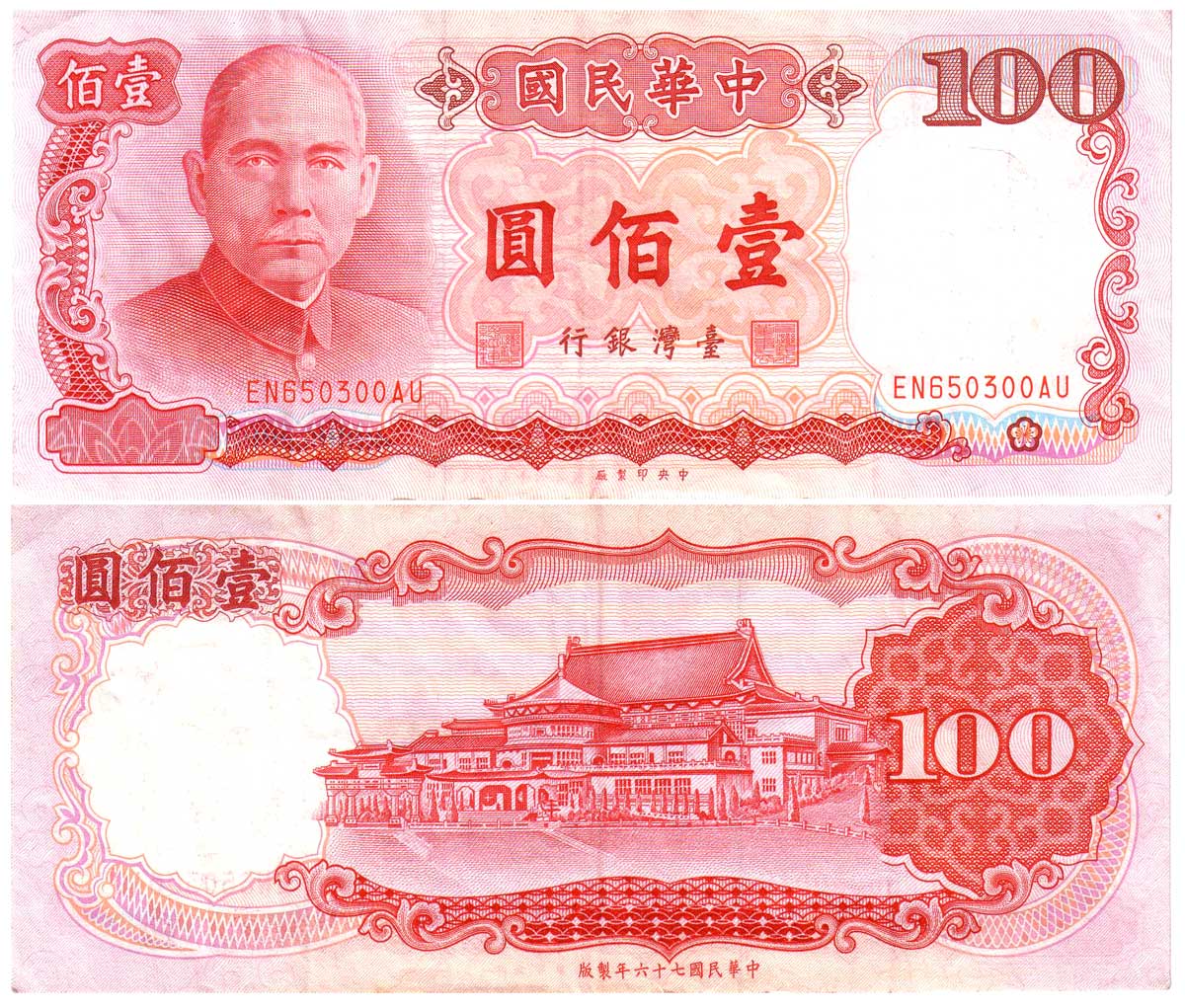
So, you’re headed to the land of bubble tea and night markets. You’ve got your bags packed, your itinerary is basically a list of Michelin-star street food, and then you realize you have no idea what’s actually in your wallet. What is Taiwan currency? It sounds like a simple question, but honestly, there’s a bit of a learning curve if you don’t want to be that person holding up the line at a 7-Eleven.
The short answer is the New Taiwan Dollar, or TWD. Locals call it NT$ or just "yuan."
But here’s the thing: Taiwan is this wild mix of ultra-futuristic tech and "we only take crinkly paper cash" traditionalism. You can buy a high-end laptop with a tap of your phone, but that legendary beef noodle soup in a Taipei alley? Yeah, they’re going to want physical bills.
The Nitty-Gritty: Meet the New Taiwan Dollar
Let’s get the basics out of the way so you don’t look confused at the exchange counter. The New Taiwan Dollar (ISO code: TWD) is the only legal tender. If you try to hand someone a US dollar or a Chinese Renminbi, you’re mostly just going to get a polite but firm headshake.
As of early 2026, the exchange rate has been hovering around NT$31.60 to 1 USD. It fluctuates, obviously. Last week it was a tiny bit stronger; tomorrow, who knows? The Central Bank of Taiwan is pretty protective of it, so it doesn't usually go on a roller coaster ride like some other currencies.
The Paper in Your Pocket
Banknotes come in several flavors. The ones you’ll actually see are:
- NT$100 (Red): These are the workhorses. You’ll use them for everything.
- NT$500 (Brownish-green): Features some very serious-looking baseball players.
- NT$1,000 (Blue): The "big" bill. Most ATMs spit these out by default.
Now, here is a pro tip: there are NT$200 and NT$2,000 bills. They exist. But they are basically the unicorns of the Taiwanese financial world. Most locals rarely use them, and some smaller shops might actually look at them with suspicion because they don't see them often. Honestly, just stick to the hundreds and thousands.
The Coin Situation
Taiwan loves coins. You will end up with a pocket full of them.
- NT$1, NT$5, and NT$10 are common.
- NT$50 is the big, gold-colored one. It’s heavy, it’s shiny, and it’s actually worth about a buck and a half, so don't just toss it in a jar.
Why "New" Taiwan Dollar? (A Quick History Lesson)
You might wonder why it’s called the New Taiwan Dollar. Basically, after WWII, Taiwan went through a period of hyperinflation that would make your head spin. The "Old" Taiwan Dollar became essentially worthless. In 1949, the government hit the reset button, swapped the old currency for the new one at a rate of 40,000 to 1, and the TWD was born.
It’s been remarkably stable ever since. While other regional currencies have tanked during various financial crises, the TWD usually stands its ground. It's a point of pride for the local economy.
Using Taiwan Currency in 2026: Cash vs. Digital
The landscape is changing fast. In 2026, we’re seeing a massive push toward digital payments, but cash is still king in the most interesting places.
The EasyCard: Your Best Friend
If you buy one thing when you land at Taoyuan International Airport, make it an EasyCard (or an iPASS). It’s technically a transit card for the MRT (subway), but you can use it to pay at every convenience store, most vending machines, and even some taxis. You just tap it. It’s basically "shadow currency."
ATMs and Exchanging Money
Don't bother exchanging money in your home country. The rates are almost always terrible.
- Airport Banks: The banks at the airport in Taiwan have surprisingly fair rates. They charge a small flat fee (usually around NT$30 or NT$100), but the exchange rate is legit.
- ATMs: Look for the 7-Eleven or FamilyMart ATMs. Most of them take international cards (Visa/Mastercard) and have English menus. Just make sure your bank knows you’re abroad so they don’t freeze your account the second you try to buy a pineapple cake.
- Department Stores: If you’re desperate and the banks are closed, places like Mitsukoshi or Sogo have exchange counters. The rates aren't quite as good, but they’re convenient.
What's New: The 2026 Digital Shift
There’s a lot of buzz right now about the state-backed stablecoin and digital currency initiatives. The government is aiming for a 2026 rollout of a regulated digital version of the TWD. While this won't replace your physical bills for a snack run yet, it’s a sign that Taiwan is trying to lead the way in fintech. You might start seeing more "Pay with Digital TWD" QR codes at major retailers soon.
Surprising Facts About Taiwan Currency
The "Fake" Bill Scare
Taiwanese people are very careful about counterfeit money. You’ll often see a shopkeeper scratch the "1000" on a bill or hold it up to the light. Don't take it personally—it’s just habit. Also, if your bill is torn, taped, or really dirty, many banks and shops will flat-out refuse to take it. Keep your cash crisp.
Tipping? Don't Do It.
Seriously. Tipping is not a thing in Taiwan. If you leave change on the table at a restaurant, the waiter will likely chase you down the street to give it back, thinking you forgot it. Some high-end restaurants add a 10% "service charge" to the bill, but that’s it. Use that extra currency to buy more boba.
The Tax Refund Perk
If you spend more than NT$2,000 at a designated store in one day, you can get a 5% VAT refund. Look for the "Taiwan Tax Refund" logo. You usually need your passport to do this on the spot, or you can do it at the airport before you fly out. It’s basically free money.
Actionable Tips for Your Trip
- Notify your bank before you fly. Nothing ruins a trip like a blocked card at an ATM in Shilin Night Market.
- Carry a coin purse. You will accumulate coins. A lot of them. Without a dedicated pouch, you'll be jangling like a medieval knight.
- Load that EasyCard. Put at least NT$500 on it immediately. It saves you from digging for change at the convenience store.
- Keep some "Emergency Hundreds." Smaller shops and street stalls often can’t (or won't) break a NT$1,000 bill for a NT$40 snack. Break your big bills at 7-Eleven first.
- Watch the Exchange Receipt. If you change cash at a bank, keep the receipt. You might need it if you want to change your leftover TWD back into your home currency when you leave.
Taiwan is one of the safest and most efficient places to travel, and once you get the hang of the New Taiwan Dollar, the whole experience gets a lot smoother. Just remember: when in doubt, use the EasyCard. If that fails, make sure you have a few red NT$100 bills ready to go.