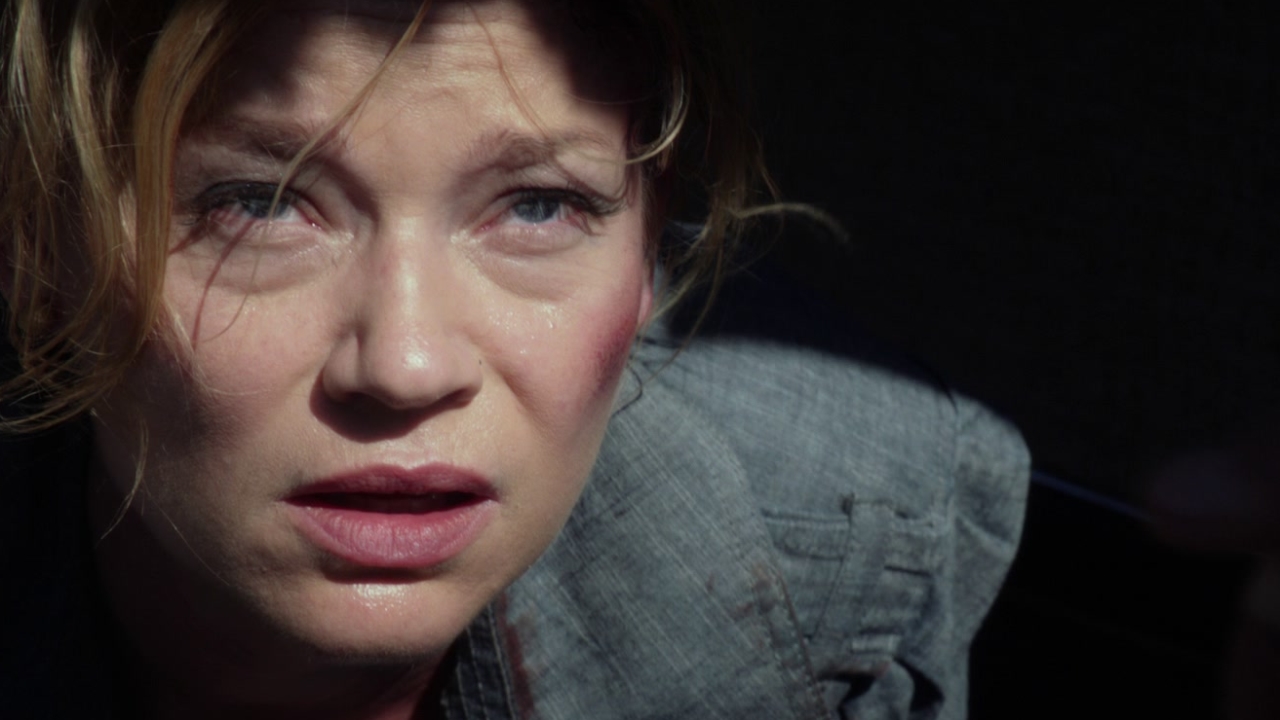
If you sat down in 2012 to watch the second installment of Ayn Rand’s polarizing epic, you probably felt a massive wave of cognitive dissonance within the first five minutes. It’s a weird experience. You’re looking at characters you recognize by name, but their faces are entirely different. The Atlas Shrugged II cast represents one of the most jarring "reboots" in the middle of a trilogy that Hollywood has ever seen.
Every single lead actor was replaced.
Honestly, it’s a bit of a mess for the casual viewer. Dagny Taggart, the steely protagonist of the Taggart Transcontinental empire, was played by Taylor Schilling in the first film. By the time Atlas Shrugged: Part II (subtitled The Strike) hit theaters, Schilling was gone, replaced by Samantha Mathis. It wasn't just her. Henry Rearden, the industrialist with a heart of... well, Rearden Metal... shifted from Grant Bowler to Jason Beghe.
Why did this happen? Was it a creative choice? Not really. It was a cocktail of production delays, budget constraints, and a ticking clock on the film rights.
The Production Chaos Behind the Atlas Shrugged II Cast
To understand the Atlas Shrugged II cast, you have to understand the producer John Aglialoro's struggle. He spent decades trying to get this movie made. He finally did it in 2011 with a tiny budget and a fast-and-loose shooting schedule. But the first movie didn't exactly set the box office on fire. It grossed less than $5 million against a $20 million budget.
Investors dried up. The momentum stalled.
When it came time to film the sequel, the original actors had moved on to other things. Taylor Schilling was busy becoming a household name with Orange is the New Black. The production didn't have the "pay or play" contracts required to keep an ensemble together for years on end. So, they started over.
Meet the New Dagny and Rearden
Samantha Mathis stepped into the role of Dagny Taggart with a different energy. While Schilling played Dagny with a sort of cold, youthful intensity, Mathis brought a more weary, seasoned feel to the character. It fits the narrative, technically. In Part II, the world is literally falling apart. The "motor of the world" is stopping.
Jason Beghe, known now for his gravelly-voiced lead role on Chicago P.D., took over as Hank Rearden. Beghe is a physically imposing guy. His version of Rearden feels a bit more blue-collar and rugged than Grant Bowler’s more "polished executive" vibe.
Some fans liked the change. Most found it distracting. It’s hard to build an emotional connection with a romance between two people when both actors are different from the ones you just watched for two hours.
The Full Roster: Who Played Who?
If you're trying to keep track of the revolving door of actors, here is the breakdown of the primary Atlas Shrugged II cast and how they compared to their predecessors:
Dagny Taggart
In the first film, we had Taylor Schilling. In the second, it’s Samantha Mathis. By the third film? It changed again to Laura Regan. It’s a treadmill.
Hank Rearden
Grant Bowler (Part I) handed the torch to Jason Beghe (Part II), who eventually handed it to Rob Morrow (Part III). Beghe’s performance is often cited as the highlight of the second film because he captures that specific Randian "fed up with the system" scowl quite well.
James Taggart
The weak-willed brother. Matthew Marsden played him first. For the sequel, Patrick Fabian took over. You probably know Fabian as Howard Hamlin from Better Call Saul. Honestly, Fabian is excellent at playing that "corporate guy you love to hate," and he’s arguably the most "premium" casting choice in the second film.
Francisco d'Anconia
The flamboyant copper king. Jasu Garcia (Part I) was replaced by Esai Morales. Morales brings a significant amount of weight and charisma to the role. If you’ve seen him in Ozark or Mission: Impossible – Dead Reckoning, you know he has that "dangerous but charming" thing down to a science.
John Galt
In the first movie, Galt was a shadow. A silhouette in a trench coat. In the Atlas Shrugged II cast, we finally start to see more of him, played by D.B. Sweeney. Sweeney is a veteran actor (The Cutting Edge, Fire in the Sky), and he brings a grounded, quiet confidence to a character that is essentially a mythic figure.
Why the "Total Swap" Is So Rare in Cinema
Usually, if a sequel loses a lead, they might recast one person—think Maggie Gyllenhaal replacing Katie Holmes in The Dark Knight. But replacing the entire lineup is almost unheard of outside of "reboots."
The Atlas Shrugged trilogy is unique because it’s a "continuation" that feels like a series of stage plays performed by different troupes. John Aglialoro has been open about the fact that he prioritized getting the message of the book onto the screen over maintaining Hollywood continuity. He had a limited window to use the film rights before they reverted to the Ayn Rand estate. He chose speed over stability.
The result is a film that feels disconnected from its predecessor.
The budget for Part II was also significantly higher than the first—around $20 million again, but with better distribution. They hired Brian Goodman to direct, and he brought a much more "action-thriller" aesthetic to the project. The cinematography is darker. The stakes feel higher. But that doesn't fix the "who is that guy again?" problem.
Critical Reception and Fan Reaction
Critics were, predictably, not kind. The film holds an abysmal rating on Rotten Tomatoes. But the Atlas Shrugged II cast wasn't really the primary target of the vitriol. Most critics took issue with the heavy-handed dialogue and the didactic nature of the script.
However, within the niche of Rand fans, the second film is often considered the "best" of the three. Why? Because of the actors.
Esai Morales and Jason Beghe actually felt like the "titans of industry" Rand described. They didn't feel like actors playing dress-up in their dad's suits. They had gravitas. When Beghe’s Rearden stands in court and refuses to apologize for his success, it’s a powerful moment that resonates with the source material’s intent.
The Recasting Ripple Effect
The decision to swap the Atlas Shrugged II cast basically signaled to the audience that the "brand" was the story, not the stars. It’s a bold move. It’s also a move that usually kills a franchise.
By the time Part III: Who Is John Galt? went into production, the budget cratered. They turned to Kickstarter to raise funds. And, true to form, they recast everyone again.
If you're watching these movies back-to-back, it’s a surrealist experience. You have to treat each film as a standalone interpretation of a specific section of the book rather than a linear narrative.
Key Cast Members You Might Recognize
- Arye Gross as Dr. Robert Stadler (He’s a prolific character actor you've seen in everything from Castle to The Wonder Years).
- Kim Rhodes as Lillian Rearden (Fans of Supernatural will recognize her immediately).
- Richard T. Jones as Eddie Willers (A staple in procedural dramas like The Rookie).
- Diedrich Bader as Lawrence Cannibal (Yes, the guy from Office Space and Napoleon Dynamite).
Bader’s inclusion is particularly interesting because he’s primarily a comedic actor. Seeing him in a dead-serious Randian drama is one of those "wait, is that...?" moments that defines the viewing experience of the second film.
Is It Worth Watching for the Performances?
If you’re a fan of the book, yes. The Atlas Shrugged II cast actually delivers the dialogue with more conviction than the cast of the first or third movies.
Samantha Mathis handles the "Taggart Terminal" sequence with real grit. The scene where she has to navigate a train through a mountain pass while the system is failing is genuinely tense. It works because Mathis plays it straight. She doesn't wink at the camera.
The tragedy of the trilogy is that if they had kept this specific cast for all three movies, they might have built something with more cultural staying power. As it stands, it’s a fascinating footnote in independent filmmaking.
How to Navigate the Trilogy Without Getting Confused
If you're planning a marathon, do yourself a favor: don't look for visual cues to identify characters. Listen for the names.
The production design changes. The lighting changes. The faces change.
- Focus on the symbols. Dagny’s "Money" theme and the Rearden Metal bridge are the only things that stay visually consistent.
- Accept the "Stage Play" reality. Think of it like a Broadway show where the lead actor is played by an understudy one night and a guest star the next.
- Watch for Esai Morales. His performance as Francisco is arguably the most "book-accurate" portrayal in the entire series. He captures the aristocratic boredom and the hidden pain of the character perfectly.
The Atlas Shrugged II cast had a difficult job. They had to step into roles already established by other actors, in a movie with a massive amount of political baggage, and try to make it feel human. For the most part, they succeeded better than they are given credit for.
If you want to dive deeper into the production of these films, look up the "Atlas Shrugged Part II" production blogs. They reveal a lot about the frantic 27-day shooting schedule and how the actors had to learn massive monologues in record time. It makes their performances even more impressive when you realize they were essentially filming a marathon at a sprint's pace.
Next Steps for the Viewer:
To get the most out of your viewing of Atlas Shrugged II, you should compare the "Trial of Hank Rearden" scene in the film to Chapter 7 of the book's second part. It is the most faithful adaptation of the dialogue in the entire trilogy. Additionally, if the constant recasting bothers you, try watching the films with the director's commentary turned on; John Aglialoro provides extensive context on why specific casting choices were made under the pressure of the rights expiration. You might also want to look for the "Behind the Scenes" featurettes on the DVD/Blu-ray, which show the cast's chemistry during the brief filming window.