It’s a weird piece of history. Most people remember where they were when the towers fell, but fewer remember the eerie, sanitized silence that followed on the airwaves. If you were listening to the radio in the days following the attacks, you might have noticed something. The music felt... different. Thinned out. Basically, a massive list of songs banned on 9/12—or at least "suggested for removal"—began circulating through the offices of Clear Channel Communications. It wasn't a legal ban. Nobody was going to jail for playing "Imagine" by John Lennon. But in the raw, bleeding aftermath of the attacks, the largest radio conglomerate in America decided it was better to be safe than sorry. They didn't want to hurt feelings. They didn't want to spark outrage. They just wanted to keep the vibe "appropriate," whatever that meant in a world that had just been turned upside down.
Honestly, looking back at the list now, it feels like a fever dream. It wasn't just songs about planes or fire. It was anything that could even remotely be interpreted as sensitive. We’re talking about 165 songs across 1,170 stations. It changed the landscape of American culture for months.
The Memo That Wasn't a Mandate (But Acted Like One)
Clear Channel, which we now know as iHeartMedia, was a juggernaut in 2001. They owned everything. When the corporate office sent out a memo on September 14, 2001, it wasn't a hard order. The company has spent years insisting it was just a "guide." But when your boss sends a list of 160+ songs that might be "questionable," you don't play them. You just don't. Program directors were terrified of looking insensitive. Advertisers were twitchy.
The list itself was a chaotic mess of genres. You had death metal sitting right next to soft rock. It didn't matter if the song was a masterpiece or a radio filler; if it mentioned "falling," "flying," "burning," or "New York," it was potentially on the chopping block. Some of it made sense in a dark, literal way. Playing Soundgarden’s "Blow Up the Outside World" while people were literally watching buildings collapse on the news probably wasn't the best move for a morning show. But some of it? Some of it was just baffling.
Why "Imagine" Made the List
This is the one that always gets people. John Lennon’s "Imagine" is arguably one of the most famous peace anthems in human history. It’s about a world without borders, without religion, without conflict. You’d think that would be the exact thing people needed to hear. Nope. The "no religion" part was seen as potentially offensive or provocative during a time of intense religious tension. It was basically deemed too political for a nation that was currently wrapping itself in the flag.
It’s a weird paradox. In times of crisis, we usually turn to art to heal. But the songs banned on 9/12 represent a moment where the industry decided that art was too dangerous to handle. They chose silence over substance.
The Weirdest Entries on the List
If you scan the actual document—which has been archived and analyzed by everyone from Snopes to Slate—some of the choices feel genuinely unhinged.
Take "Walk Like an Egyptian" by The Bangles. Why? Because it mentioned Egypt? Was there a fear that people would hear Susanna Hoffs and suddenly develop complex geopolitical opinions about the Middle East? It felt like the people compiling the list were just using a CTRL+F search for any word that felt "foreign" or "scary."
Then there’s Louis Armstrong’s "What a Wonderful World." Read that again. One of the most hopeful, beautiful songs ever recorded was considered too sensitive for the airwaves. The logic was that it might be "ironic" or "painful" to hear how wonderful the world is when it felt like everything was ending. It's a bit of a stretch, right?
- The Gap Band: "You Dropped a Bomb on Me" (Okay, that one is understandable).
- Peter, Paul and Mary: "Leaving on a Jet Plane" (Literal, but still).
- Dave Matthews Band: "Ants Marching" (A bit of a reach).
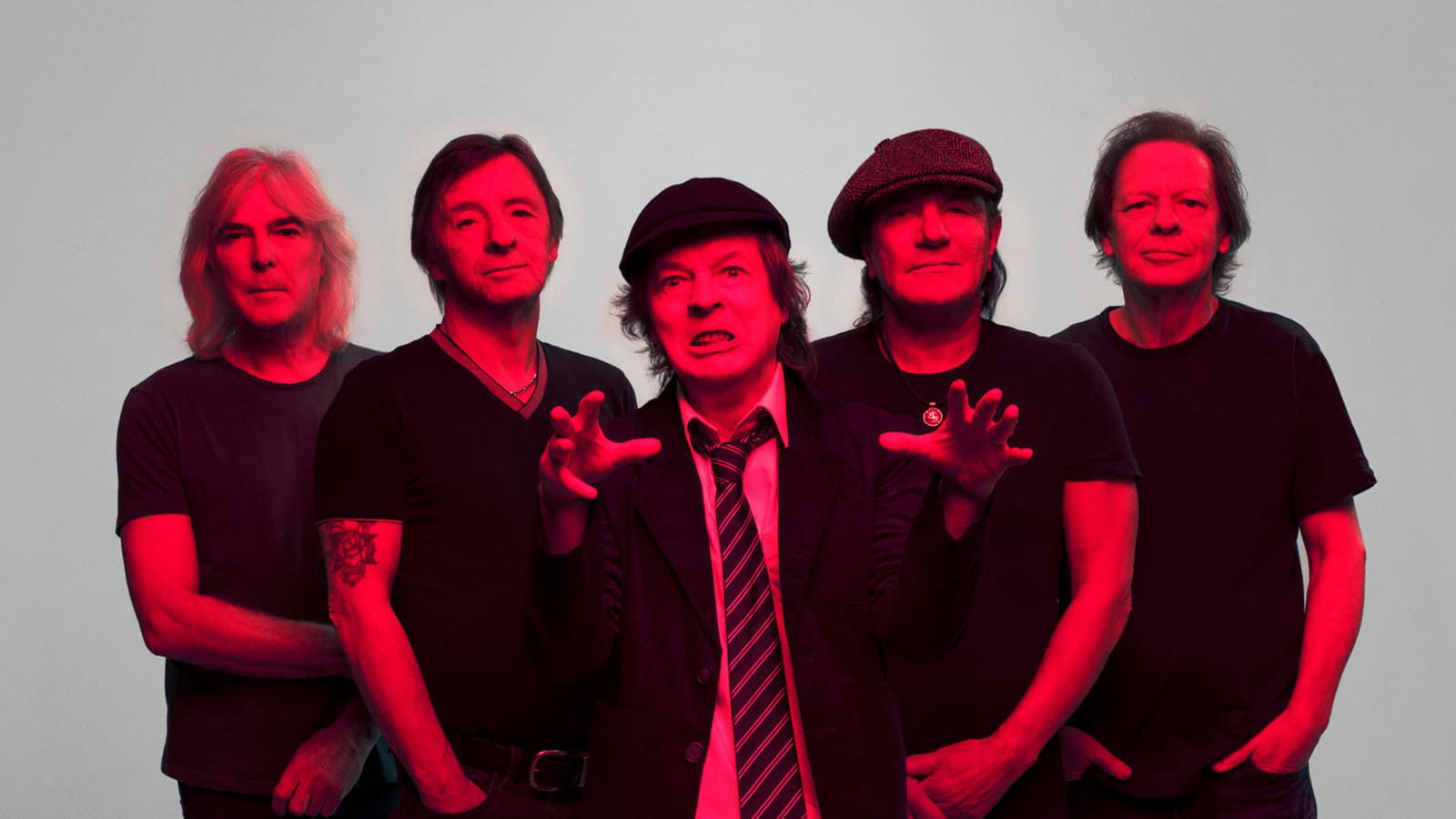
- AC/DC: Every single song. No, seriously. The memo suggested avoiding the entire AC/DC catalog.
Think about that. "You Shook Me All Night Long" was considered a threat to national stability. It shows how panicked the industry was. They weren't just cutting out the bad stuff; they were performing a total lobotomy on the radio dial.
The "All Songs" Category for Rage Against the Machine
Rage Against the Machine holds the "honor" of being the only band to have their entire discography blacklisted. Every. Single. Song. While AC/DC was "suggested for caution," Rage was essentially radioactive.
It wasn't just because their music is loud. It was because they were explicitly anti-establishment. The industry was terrified that a song like "Sleep Now in the Fire" would incite some kind of anti-war sentiment or radical skepticism at a time when the government was demanding total unity. It was a clear act of corporate censorship masked as "sensitivity." Zack de la Rocha didn't have a voice on the radio for a long time after that.
The Impact on the Music Industry
This wasn't just a 48-hour blip. The influence of the songs banned on 9/12 lingered. It created a culture of self-censorship that lasted for years. Artists became afraid to write anything that wasn't overtly patriotic or safely vague.
We saw the rise of "safety rock." Bands like Nickelback and 3 Doors Down thrived because they were loud enough to feel like rock but "safe" enough to not trigger any corporate memos. Meanwhile, the Dixie Chicks (now The Chicks) were essentially deleted from the airwaves later on for a single comment about the President. The groundwork for that "cancel culture" (before we called it that) was laid in the days following 9/11 with this specific list.
Real-World Radio Resistance
Not everyone listened. There were independent stations and brave DJs who looked at the list and threw it in the trash. They realized that people actually needed to hear these songs. Music is how we process trauma. By removing songs like "Bridge Over Troubled Water" or "Peace Train," the radio stations were actually stripping away the tools people used to cope.
The memo eventually leaked to the press, and the backlash was immediate. Clear Channel tried to walk it back, claiming it was never a formal "ban." But the damage was done. It showed us exactly how much power a few executives had over what we heard, what we thought about, and how we mourned.
The Psychology of the Ban
Why did they do it? Honestly, it wasn't a conspiracy. It was fear. Pure, unadulterated corporate fear. In 2001, the world felt fragile. Radio executives were worried that if a song played "Learning to Fly" by Tom Petty and then a news break came on about the recovery efforts at Ground Zero, they’d lose listeners or get sued.
It’s about the "lowest common denominator" of offense. If even one person calls in to complain, it’s a problem for the station. So, they scrubbed the playlists until they were as sterile as an operating room.
What We Learned from the Clear Channel List
Looking back at the songs banned on 9/12, we see a snapshot of a nation in a state of total shock. We see how quickly "sensitivity" can turn into censorship.
- Context is everything. A song about a plane is just a song on 9/10. On 9/12, it's a trigger.
- Corporate control is real. A single memo can silence an artist across an entire country in hours.
- Art is resilient. You can't actually "ban" a song. People just found other ways to listen. This was the era where Napster and file-sharing were starting to explode, and the radio ban arguably pushed more people toward digital music where they had control.
The list included 165 suggestions. It covered everything from The Beatles to Metallica. It even included "Disco Inferno" by The Trammps. Because apparently, the "burn, baby, burn" lyrics were too much. It sounds ridiculous now, but at the time, people were genuinely walking on eggshells.
The Legacy of the 9/12 Playlist
If you look at the songs today, they’ve all returned to heavy rotation. You can hear "The Rising" by Bruce Springsteen or "Imagine" on almost any classic rock or AC station. The "ban" didn't last, but the memory of it serves as a reminder of how quickly we can lose our cultural voice when we're scared.
The industry eventually moved on, but the template for "safe" broadcasting remained. It’s why terrestrial radio often feels so repetitive and sanitized today. The ghost of the 2001 memo still haunts the programming booths.
Actionable Next Steps for Music Fans
If you want to understand this era better, don't just take my word for it. Go look at the archives.
- Search for the original Clear Channel Memo. You can find the full list of 165 songs on sites like Wikipedia or the American Civil Liberties Union (ACLU) archives. Reading the full list is a surreal experience.
- Listen to a "Banned" Playlist. Create a playlist of these songs on Spotify or Apple Music. Listen to them in sequence and ask yourself: "Does this feel dangerous?" It’s a great exercise in understanding how much our perception of art is shaped by the world around us.
- Support Independent Radio. If you don't like corporate gatekeepers deciding what's "appropriate," find local community radio stations or independent podcasts that aren't beholden to a massive parent company.
- Study the First Amendment in Art. Research how the FCC and private corporations navigate free speech. There's a big difference between a government ban and a corporate "suggestion," but the effect on the public is often the same.
The music didn't die on 9/12. It just went underground for a little while. By acknowledging what happened, we can make sure that the next time a crisis hits, we don't let fear silence the voices we need to hear the most.