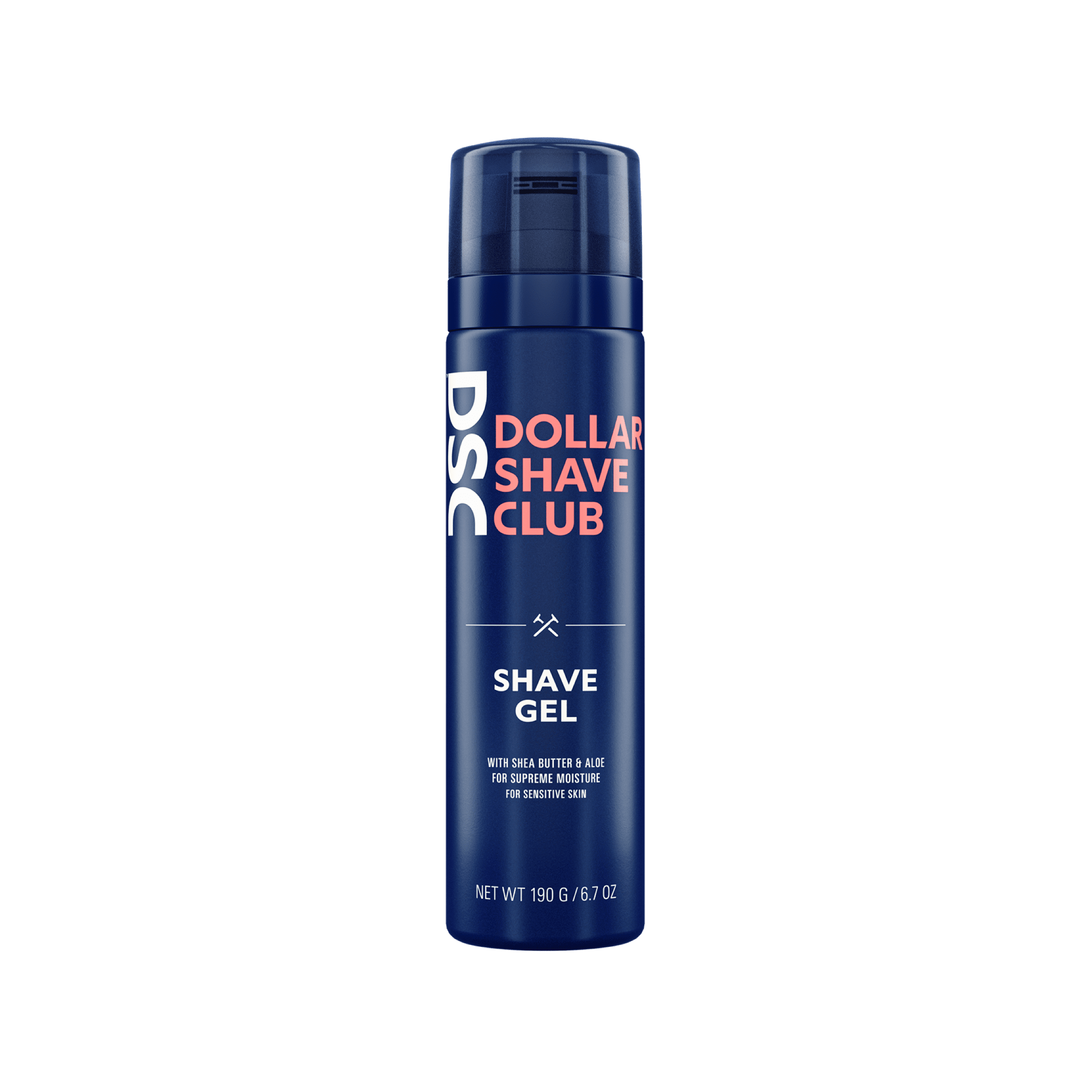
Shaving used to be a predictable, high-margin racket. For decades, you’d walk into a drugstore, find the razors locked behind a plastic case like they were crown jewels, and pay thirty bucks for a pack of cartridges that felt like they cost five cents to make. It was the "razor-and-blades" business model perfected. Gillette owned the shelf. They owned the marketing. They owned your face. Then, a guy named Michael Dubin decided to post a video on YouTube for about $4,500, and the entire industry lost its mind.
The Gillette Dollar Shave Club saga isn't just about sharp metal; it’s a case study in how a legacy giant gets punched in the mouth by a startup with a sense of humor.
Honestly, it’s hilarious looking back. In 2012, Dollar Shave Club (DSC) launched with a foul-mouthed, deadpan trailer. It didn't focus on vibrating handles or "lubrastrips" infused with aloe from a specific mountain range in the Andes. It just promised blades for a buck. Gillette, the undisputed king under the Procter & Gamble (P&G) umbrella, suddenly had to defend a kingdom it thought was invincible.
When the Behemoth Met the Subscription Model
Gillette didn't just ignore Dollar Shave Club at first; they sort of couldn't see them. When you have 70% of the market share, a guy shipping cheap blades from a warehouse in California feels like a mosquito bite. But that mosquito had West Coast Venture Capital blood in its veins. DSC wasn't just selling razors; they were selling "not being annoyed by the drugstore experience."
By 2016, Unilever—Gillette’s massive rival—bought Dollar Shave Club for $1 billion in cash. That was the siren blaring in the P&G boardroom.
The response? Gillette On Demand. It was a direct pivot. They realized that the "Gillette Dollar Shave Club" comparison was happening every time a guy looked at his credit card statement. Gillette started offering their own subscription service, trying to match the convenience while leaning on their perceived "superior engineering." They even tried to sue DSC over patent infringement regarding blade coating. It didn't work. The lawsuit was eventually dropped, but it showed just how desperate the incumbent had become to protect its turf.
The Math of the Razor War
Let’s talk about the actual cost of a shave. For years, P&G’s margins on Gillette were legendary. We’re talking gross margins that would make a software developer blush. When DSC entered the fray, they weren't actually manufacturing their own blades. They were sourcing them from Dorco, a South Korean manufacturer.
This is the part most people forget: DSC was a marketing company first.
Gillette, meanwhile, spends hundreds of millions on R&D. They have scientists studying the microscopic "hysteresis" of hair—how a blade pulls the hair up before the second blade cuts it. It’s real science. But in 2016, the average consumer didn't care about hysteresis. They cared about the $20 difference in their monthly budget.
- Gillette’s Strategy: High-tech, high-price, massive retail footprint.
- DSC’s Strategy: "Good enough" tech, low price, direct-to-consumer (DTC) relationship.
Gillette’s market share in the US began to slide. It dropped from over 70% to closer to 50% in the span of a decade. That is a catastrophic loss for a brand that was once considered an unbreakable monopoly.
How Gillette Fought Back (And Where They Stumbled)
The "Gillette Dollar Shave Club" battle moved from the warehouse to the culture. In 2019, Gillette released its "The Best Men Can Be" short film. It was a massive gamble. Instead of talking about blades, they talked about toxic masculinity. It polarized the internet.
Some saw it as a brave move for a brand to evolve; others felt lectured by their razor company.
While Gillette was trying to find a moral high ground, Dollar Shave Club was expanding into "bathroom minutes"—selling butt wipes (One Wipe Charlies), hair gel, and cologne. They wanted to own the entire bathroom counter. However, a weird thing happened after the Unilever acquisition. The "scrappy" vibe started to fade. The ads got a bit more corporate. The prices crept up.
The Rise of Harry's and the Middle Ground
You can't talk about these two without mentioning Harry's. If DSC was the "cheap" alternative and Gillette was the "luxury" incumbent, Harry's positioned itself as the "classy but affordable" option. They bought their own German factory (Feintechnik) to control the entire supply chain. This forced Gillette to lower prices.
In 2017, Gillette actually slashed prices on its most popular razors by an average of 12%.
Think about that. A dominant global leader was forced to cut prices because of a few startups. It was a win for consumers, but a headache for P&G shareholders. To make matters worse, the "beard trend" hit. Men stopped shaving every day. Suddenly, the total volume of blades being sold across the industry started to dip. The fight for the remaining shavers became a knife fight in a phone booth.
The Engineering vs. Convenience Argument
Is a Gillette Fusion5 actually better than a Dollar Shave Club Executive blade?
Technically, yes. If you put them under an electron microscope, Gillette’s blade edges are often more consistent and hold their sharpness longer. They have better pivoting heads. But here's the kicker: for 80% of men, the difference is negligible.
- Gillette focuses on the "perfect" shave.
- DSC focuses on the "painless" purchase.
I’ve used both. Honestly, the Gillette handle feels like a piece of precision medical equipment. The DSC handle feels like... a handle. But when you’re half-asleep on a Tuesday morning, do you really need a "flexball" to navigate your chin, or do you just need a sharp piece of metal that doesn't cost $5? That’s the question that broke the industry open.
The 2024-2026 Landscape: Who Won?
As we look at the market now, the dust has somewhat settled. Gillette is still the giant, but they are a humbler giant. They’ve leaned heavily into the "Gillette Labs" line—the one with the exfoliating bar. It’s fancy. It’s expensive. And it’s their way of saying, "We aren't the dollar guys; we’re the luxury guys."
Dollar Shave Club, interestingly, has struggled a bit under the weight of a massive parent company. In late 2023, Unilever sold a majority stake in DSC to a private equity firm, Nexus Capital Management. It turns out that running a subscription service is really expensive once the "viral" buzz wears off and you have to pay for every single customer acquisition through Meta and Google ads.
Gillette survived by becoming more like DSC (launching subscriptions, going DTC), and DSC is trying to survive by becoming more like Gillette (moving into physical retail stores like Walmart and Target).
What This Means for Your Face and Your Wallet
If you’re caught between these two, you have to decide what kind of shaver you are. Are you the guy who wants the absolute pinnacle of metallurgy? Or are you the guy who forgets to buy blades and wants them to just show up in the mail?
The "Gillette" Path: Go for the Gillette Labs or the SkinGuard if you have sensitive skin. They still lead in actual blade comfort for people with thick hair or prone to irritation. You’ll pay a premium, but you can find them at any CVS in the world if you’re traveling and lose your kit.
The "DSC" Path: If you want a simple routine and don't want to think about it, the subscription still works. But check the prices. The "Dollar" in Dollar Shave Club is mostly a memory now. With shipping and the "upgraded" blades most people want, you’re often paying close to retail prices anyway.
Practical Steps for a Better Shave
Don't just buy the marketing. Here is how you actually win the razor wars:
- Stop over-paying for 5 blades. If you shave every day, 3 blades are often less irritating because there is less friction against the skin. Both brands offer 3-blade options that are cheaper and often better for skin health.
- Dry your blades. The reason blades get dull isn't just the hair; it's oxidation. Water sits on the edge and corrodes it. Rinse your razor, shake it out, and if you're feeling extra, pat it dry with a towel. It’ll last twice as long, regardless of the brand.
- Check the "Store Brand" secrets. Many store-brand razors (like those at Aldi or Kroger) are actually made by the same manufacturers that supply the big subscription clubs.
- Consider the Safety Razor. If you really want to stick it to the "Gillette Dollar Shave Club" duopoly, go old school. A double-edge safety razor costs about $30 once, and the blades are about 10 cents each. It has a learning curve, but the math is unbeatable.
The battle between these two changed the way we buy everything from toothbrushes to vitamins. It proved that no brand is too big to be disrupted if they stop listening to the frustration of their customers. Gillette had to learn that the hard way, and DSC had to learn that being a "disruptor" is a lot easier than being a profitable long-term business.
Check your current subscription. If you haven't changed your blade type in three years, you’re probably overpaying. Look at the new "Gillette Intimate" line if you're shaving more than just your face, or check DSC's latest reformulated shave creams—they’re actually better than the razors themselves these days.