Everything changed for Netflix in 2017. When 13 Reasons Why first dropped, it wasn't just a hit; it was a cultural explosion. But at the center of that explosion was a three-minute sequence that would haunt the platform for years. I’m talking about the hannah baker bathtub scene.
If you watched the show when it first premiered, you saw it. It was brutal. It was unblinking. It was, according to many mental health experts, dangerous. For two years, that footage stayed live. Then, in a move that basically admitted they’d crossed a line, Netflix scrubbed it.
What Actually Happened in the Original Scene?
The finale of Season 1, "Tape 7, Side A," originally featured a graphic, step-by-step depiction of Hannah Baker’s suicide.
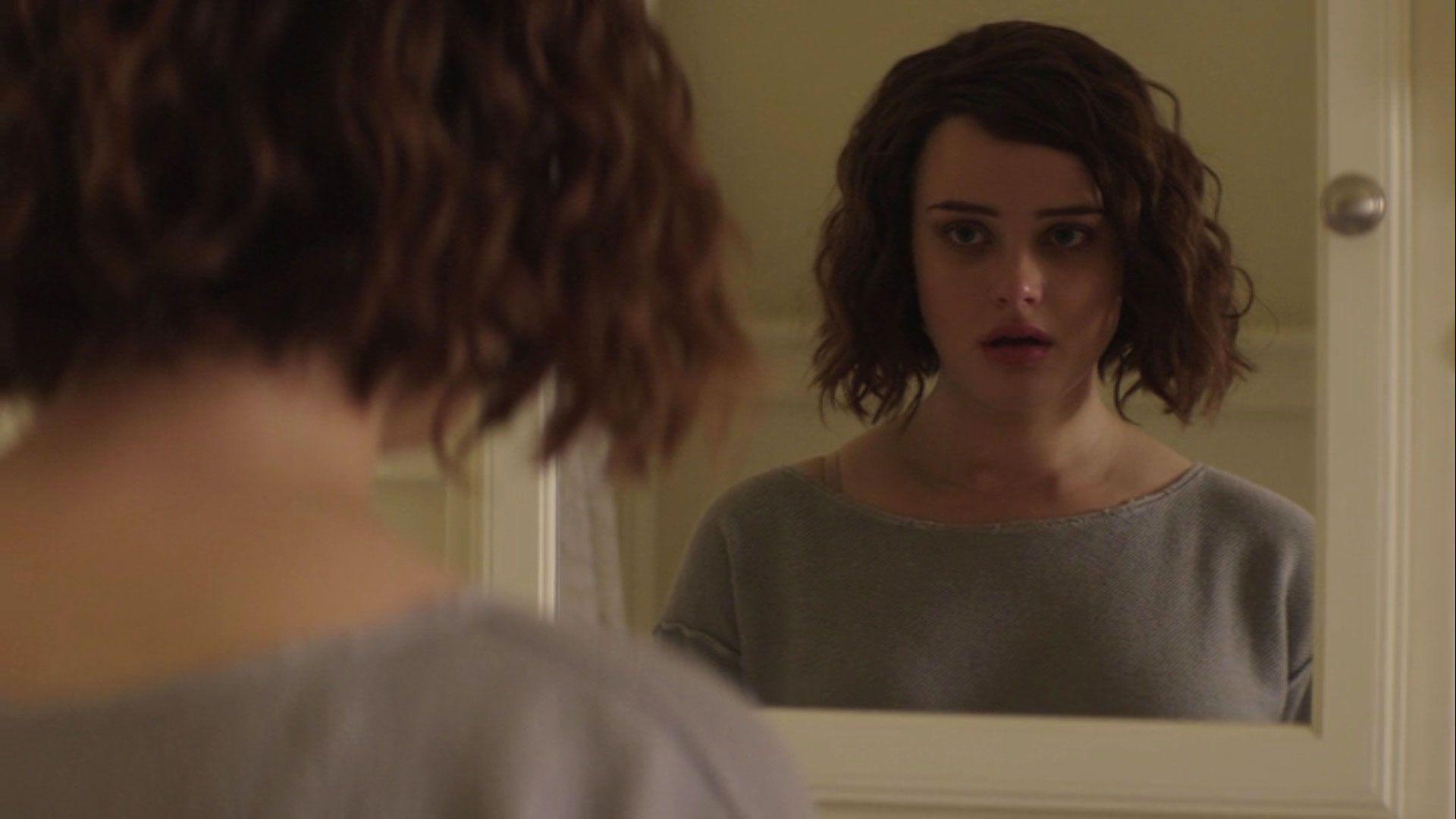
In the unedited version, Hannah (played by Katherine Langford) stands before a mirror, her face a mask of exhaustion. She gets into a bathtub. Then, the camera doesn't blink. It shows her taking a razor to her wrists. You see the skin break. You see the blood clouding the water. Her breathing slows, and eventually, her mother finds her. The shock of that discovery—the raw, gut-wrenching screams from Kate Walsh—is what remains today, but the lead-up is gone.
The current version of the episode is much different. It’s edited to be "softer," if you can even use that word for such a dark topic. Now, the scene cuts from Hannah looking in the mirror directly to her parents’ reaction. The "how" is removed.
Why did they change the book?
In Jay Asher's original novel, Hannah takes pills. She overdoses. The showrunners decided to change this for the screen because they wanted to show that suicide isn't "peaceful" or "drifting off to sleep." Brian Yorkey, the show's creator, later explained that they wanted to portray the "ugly, painful reality." They thought that by making it look horrific, they would discourage people from doing it.
Honestly? It backfired.
The Science of "Suicide Contagion"
The backlash wasn't just coming from "sensitive" viewers. It was coming from doctors. Organizations like the American Foundation for Suicide Prevention (AFSP) were vocal from day one.
There is a documented psychological phenomenon called the Werther Effect. Basically, when media depicts the method of suicide in a graphic or romanticized way, it can lead to copycat incidents. It provides a roadmap for people who are already struggling.
- The NIH Study: Research published in the Journal of the American Academy of Child and Adolescent Psychiatry found a 28.9% increase in suicide rates among U.S. youth (ages 10-17) in the month following the show's release.
- The 195 Deaths: Another study estimated that there were roughly 195 "excess" suicides in the nine months after the premiere.
While you can't prove a direct "cause and effect" for every single case, the correlation was too strong for Netflix to ignore. They held out for two years, defending the scene as "artistic intent." But by July 2019, just before Season 3 launched, they finally folded.
The Controversy That Wouldn't Die
The debate around the hannah baker bathtub scene is kinda a masterclass in the "ends justify the means" argument. On one side, you have people who say the show started vital conversations. It made parents realize their kids were hurting. It brought depression into the living room.
On the other side, experts like Dr. Christine Moutier (Chief Medical Officer at AFSP) argued that the show ignored established "safe reporting" guidelines. These guidelines explicitly say not to show the method. They say not to make the death look like a way to get revenge on your enemies.
In the show, Hannah’s tapes are a weapon. They haunt the people who hurt her. To a vulnerable teenager, that can look like a way to finally be heard. It frames death as a "win" over bullies. That’s a dangerous narrative to sell to a 14-year-old.
What to do if you're struggling
If you or someone you know is feeling overwhelmed, the biggest lesson from the 13 Reasons Why fallout is that you shouldn't go through it alone. The show depicted a world where every adult was incompetent or checked out. In reality, there are people trained specifically to help you navigate these exact feelings.
- National Suicide Prevention Lifeline: Call or text 988 (in the US). It’s free, private, and available 24/7.
- The Trevor Project: If you’re an LGBTQ youth, text START to 678-678.
- Crisis Text Line: Text HOME to 741741 to connect with a crisis counselor.
Practical Steps for Parents and Viewers
If you’re planning on watching the series now, or if your kid is, keep a few things in mind.
- Don't watch it alone. The show is heavy. You need someone to process it with.
- Use the Netflix resources. They eventually added "Trigger Warning" videos at the start of episodes featuring the cast talking directly to the audience. Don't skip them.
- Recognize the fiction. The show is a drama. Real-life recovery involves therapy, medication, and time—not recorded cassette tapes and elaborate mysteries.
The removal of the hannah baker bathtub scene was a rare moment where a massive corporation admitted that their "art" might be causing real-world harm. It changed how streaming services handle graphic content, leading to stricter guidelines and more frequent trigger warnings across the industry.
The scene is gone, but the discussion about how we portray mental health on screen is nowhere near over. If you're looking for more information on how to talk to your kids about the themes in the show, you can visit the official 13 Reasons Why Toolkit which provides discussion guides and international helplines.