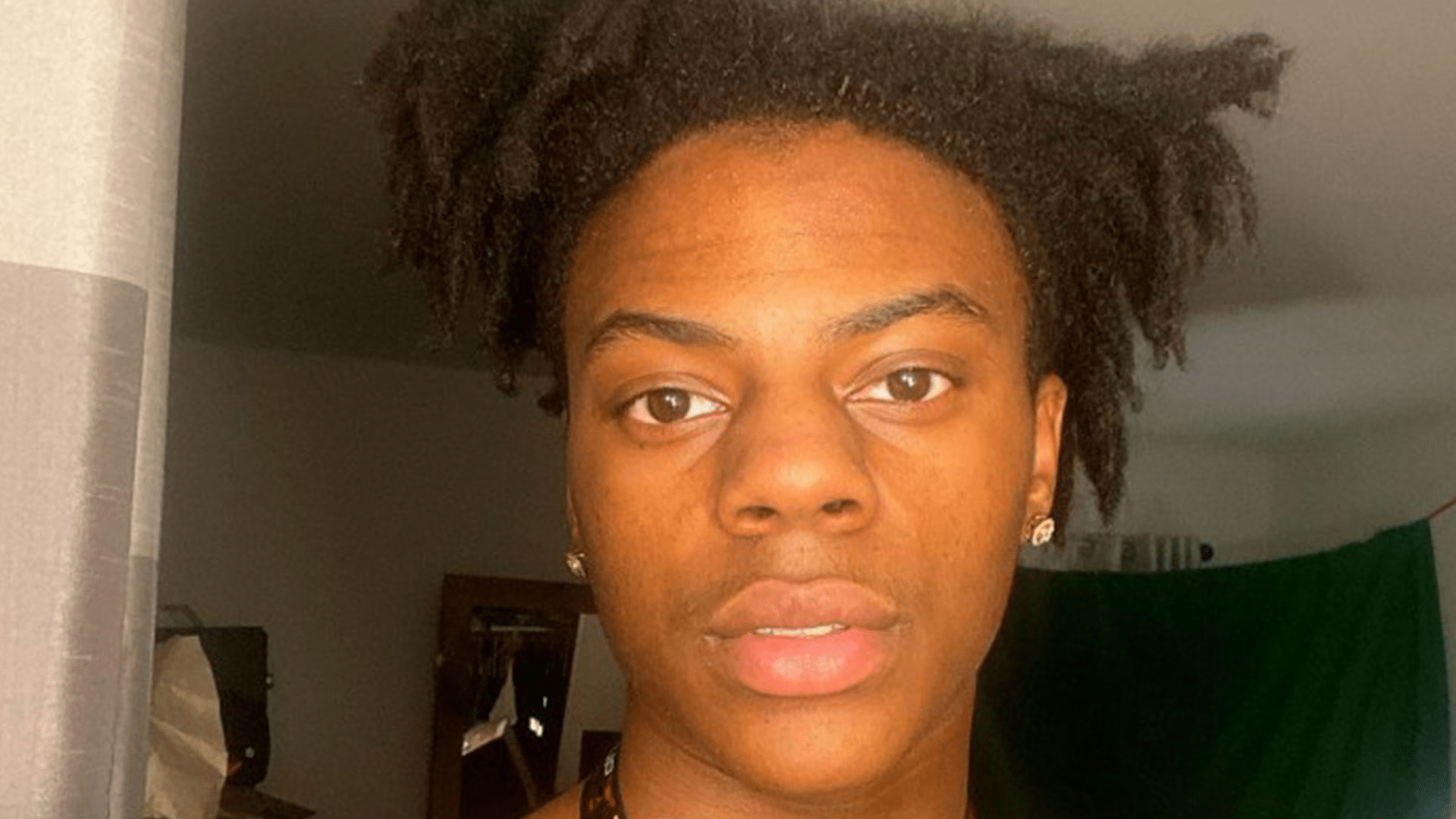
It happened in a flash. One second, Darren Watkins Jr.—known to millions as IShowSpeed—was losing his mind over Five Nights at Freddy's, and the next, he was the number one trending topic on every social media platform for all the wrong reasons. If you were online during that August 2023 window, you know exactly what I’m talking about. The IShowSpeed naked clip went viral before he even had a chance to end the broadcast. It was messy. It was chaotic. Honestly, it was a turning point for how we look at "IRL" streaming and the precarious nature of live fame.
People love a car crash. They especially love it when it involves a 19-year-old powerhouse who has built an entire career on being unpredictable. But behind the memes and the jokes, there was a real conversation about platform policies, mental health, and the sheer terror of having your most private moment broadcast to 25,000 live viewers simultaneously.
The FNAF Jump Scare Heard 'Round the World
Let’s set the scene because context matters here. Speed wasn't doing anything provocative. He was playing Five Nights at Freddy's, a game known for cheap thrills and loud noises. Speed’s brand is volume. He screams, he barks, he jumps. When a jump scare hit, he stood up, began thrusting in excitement or fear—it’s Speed, who really knows—and his wardrobe failed him.
The "IShowSpeed naked" moment wasn't a planned stunt. You could see the genuine, soul-crushing realization on his face the second he realized what happened. He sat back down, eyes wide, whispered "Oh my god," and ended the stream almost immediately. It was the kind of mistake that makes your stomach drop just watching it.
The internet, being the internet, didn't give him a grace period. Within minutes, the clip was ripped, edited, and circulated on X (formerly Twitter) and Reddit. It became a "where were you" moment for the Gen Z streaming community. But for Watkins, it was a potential career-ender. YouTube has a notoriously strict policy regarding "Nudity and Sexual Content." Usually, if you show skin, you’re gone. Perma-banned. No appeals.
Why YouTube Didn't Swing the Ban Hammer
Everyone expected the worst. People were already writing the obituary for his YouTube channel, which at the time sat at over 20 million subscribers. But something weird happened. YouTube didn't ban him.
They looked at the footage—or at least, their policy team did—and determined it was non-intentional. According to YouTube’s Community Guidelines, they sometimes make exceptions for nudity that is "transitory" or "accidental" in a non-sexual context. Because Speed was clearly reacting to a video game and the exposure was a wardrobe malfunction, he stayed in the clear.
It was a massive win for him, but a controversial one. Smaller creators started pointing out the "Golden Boy" syndrome. They argued that if a streamer with 500 followers had accidentally flashed the camera, their account would have been nuked within the hour. Speed’s survival highlighted a massive disparity in how platform rules are applied to top-tier talent versus the average user.
The Mental Toll of Viral Embarrassment
We often forget these streamers are basically kids. Speed was barely out of high school when this happened. For days after the IShowSpeed naked incident, he went dark. When he finally returned, he wasn't his usual high-energy self. He looked drained.
"It's embarrassing, man," he told his audience in a follow-up stream. He talked about how the "IShowMeat" nickname—which the internet cruelly dubbed him—was affecting his daily life. Imagine walking into a grocery store or an airport and knowing that millions of people have seen you at your most vulnerable because of a split-second mistake. It’s a lot to carry.
The psychological impact of "viral shame" is something researchers like Brené Brown have discussed at length, though usually not in the context of Twitch or YouTube stars. When a mistake is digital, it’s forever. You can’t just move on; the algorithm keeps feeding it back to you. Speed had to lean into the joke just to survive it, which is a common defense mechanism for public figures, but that doesn't mean it didn't leave a mark.
Live Streaming's Dangerous Lack of a Delay
Why doesn't YouTube have a "dump button"? Television has worked on a 5-to-10-second delay for decades specifically to prevent stuff like the IShowSpeed naked mishap. If Speed had been streaming through a professional broadcast switcher with a delay, an editor could have cut the feed before the frame ever hit the public's eyes.
But live streaming thrives on "realness." The direct, zero-latency interaction is why people donate hundreds of dollars to see their name pop up on screen. Adding a delay kills the "live" feel.
- The Technical Risk: Most streamers use OBS (Open Broadcaster Software) or Streamlabs. While these programs can set a delay, most creators disable it to talk to chat in real-time.
- The Physical Risk: Streamers often wear loose-fitting athletic gear or pajamas because they are sitting for 8 to 12 hours a day. It’s a recipe for wardrobe disasters.
- The Content Risk: High-energy streamers like Speed, Kai Cenat, or xQc rely on physical comedy. The more you move, the higher the chance something goes wrong.
Looking Ahead: How to Protect Your Own Digital Footprint
If you’re an aspiring creator, the IShowSpeed incident is a massive case study in risk management. You don't have to be a monk, but you do have to be aware.
First, check your wardrobe. It sounds stupid, but "sturdy" clothing is a streamer’s best friend. If you’re a high-energy person who jumps around, maybe skip the loose gym shorts. Second, consider a "Panic Button." Many streamers now use a Stream Deck keyed to a "Technical Difficulties" scene that covers the camera and mutes the mic with one physical press.
Third, and most importantly, understand that the internet has no "Delete" key. Once a frame hits the web, it is decentralized. It’s on servers in countries you’ve never heard of.
The IShowSpeed naked situation eventually blew over, replaced by his next world tour or his next stunt with a superstar footballer. He’s incredibly resilient. But not everyone has the fanbase or the legal team to weather a storm like that. Speed’s career survived because he was too big to fail and the context was clearly accidental, but it remains a stark reminder that in the world of live digital content, you are always one second away from a permanent change in your public identity.
Steps for Digital Safety in Live Streaming:
- Use a hardware mute/kill switch: Never rely solely on software to end a stream or hide your camera.
- Review your "safe" zones: Ensure your camera framing doesn't catch anything below the waist or reflections in windows/monitors.
- Internalize the "Permanent Record" rule: Act as if every second of your stream will be archived and shown to your employer or family. If that thought scares you, change your setup.
- Moderation is key: Have trusted mods who have the power to "Hide" or "End" a stream if they see something the creator doesn't notice.