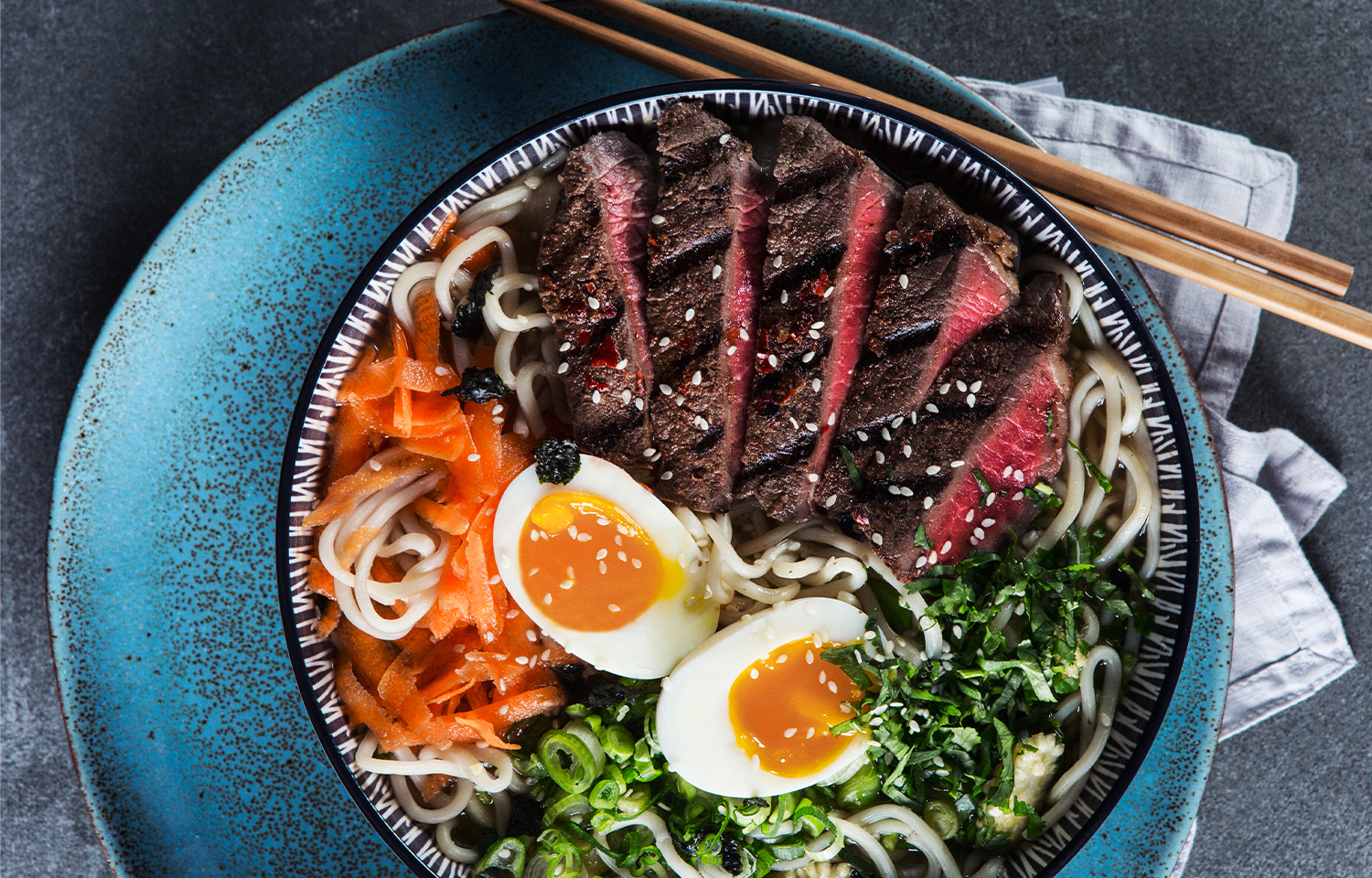
Let's be honest. If you’ve got a pound of hamburger meat and a square block of dried ramen noodles in your pantry, you aren't just looking for a meal; you’re looking for a survival strategy that actually tastes good. It's the ultimate "fridge-clearing" luxury. Most people treat this combo like a sad college dorm relic, but there is actually a pretty fascinating culinary logic behind why fatty ground beef and high-sodium wheat noodles satisfy a very specific part of the human brain. We are talking about the intersection of cheap protein and instant gratification.
It works. It just does.
But there is a massive difference between a greasy, salty pile of mush and a dish that actually respects the ingredients. Most home cooks fail because they treat the ground beef and the ramen noodles as two separate entities that just happen to share a bowl. They don't. To make this work, you have to understand the science of fat emulsification and why the "seasoning packet" is actually a concentrated umami bomb that requires a little bit of finesse to unlock.
Why Ground Beef and Ramen Noodles Are a Textural Power Couple
Ever wonder why your favorite burger joint's patty feels so different from the stuff you scramble in a pan for taco night? It's the fat-to-lean ratio. When you’re tossing ground beef into a bowl of ramen, you should ideally be looking at an 80/20 mix. Anything leaner, like 90/10 or 93/7, turns into dry, gravel-like pellets once it hits the hot broth. You need that rendered tallow. It acts as a bridge. It coats the alkaline noodles, giving them a slippery, luxurious mouthfeel that mimics expensive tonkotsu broth without the twelve-hour boil.
The noodles themselves are a marvel of food engineering. Most instant ramen, like the ubiquitous Maruchan or Nissin brands, are flash-fried during the manufacturing process. This creates tiny pores in the noodle. When you rehydrate them, those pores act like little straws, sucking up whatever liquid is nearby. If that liquid is just plain water, the noodles taste like wet cardboard. But if that liquid is a concentrated beef jus created from browning your hamburger meat? Now you’re cooking.
You've probably heard the term "Maillard reaction" tossed around by every food influencer on the planet. It’s not just buzzword fluff. When you sear ground beef in a scorching hot skillet—don't crowd the pan, seriously—you are creating melanoidins. These are the compounds responsible for that savory, "browned" flavor. If you just boil the meat in the ramen water, you miss out on this entirely. Boiling meat is a crime. It yields a gray, rubbery mess that lacks any complexity.
The Science of the Alkaline Noodle
Ramen noodles aren't just pasta. Traditional Italian pasta is made with flour and water (sometimes egg). Ramen is made with kansui, an alkaline mineral water containing sodium carbonate and potassium carbonate. This is what gives ramen its yellow hue and that distinct, springy "snap."
When you combine the alkalinity of the noodle with the acidity of a good beef fat, you get a balanced profile. It’s why adding a splash of rice vinegar or a squeeze of lime at the end of a beef ramen bowl feels like a revelation. It cuts through the heavy lipids of the hamburger meat.
Common Mistakes That Ruin the Experience
Stop overcooking your noodles. Just stop. Most packets tell you to boil for three minutes. That’s a lie if you’re planning on adding hot meat or simmering them further. If you go the full three minutes in the pot, by the time the bowl hits the table, the noodles have reached a state of structural integrity similar to wet tissue paper.
Aim for "al dente" ramen. Aim for two minutes. Let the carry-over heat from the beef finish the job.
Another huge mistake is draining all the fat. While you don't want a literal oil slick on top of your soup, a tablespoon of that rendered beef fat is where the flavor lives. If you drain it all and replace it with water, you’re stripping the dish of its soul. Instead, try browning the meat, removing it, and then sautéing a bit of garlic or ginger in the leftover fat before adding your water or stock. This creates a base layer of flavor that bridges the gap between the beef and the noodles.
The Sodium Trap
We have to talk about the seasoning packet. It’s mostly salt, MSG, and maltodextrin. There is nothing inherently wrong with MSG—the American Chemical Society and the FDA have debunked the "Chinese Restaurant Syndrome" myths decades ago—but the salt content is astronomical. A single packet can contain over 1,500mg of sodium.
If you’re using a full pound of hamburger meat and two packs of ramen, you’re looking at a salt bomb that will leave you bloated for days. The pro move? Use half the packet and supplement with actual flavors. Soy sauce, toasted sesame oil, or even a dollop of peanut butter can add more depth than the powder ever could.
Elevating the "Poor Man's Feast"
If you want to move beyond the basic "beef in a bowl" setup, you need to think about aromatics. You probably have an onion in the pantry. Dice it. Brown it with the meat. If you have a stray carrot or a handful of frozen peas, throw them in during the last sixty seconds of the noodle boil.
The Egg Factor
A soft-boiled egg is the hallmark of "real" ramen, but for a beef-based bowl, try a "shredded" egg approach. Whisk an egg and stream it into the boiling broth right at the end—it creates silky ribbons that catch the bits of ground beef. It’s basically Egg Drop Soup meets Beef Ramen.
The Sauce Strategy
Maybe you don't want a soup. Dry ramen—often called mazemen—is actually a better vessel for hamburger meat.
- Boil the noodles, drain them completely.
- Fry the beef until it's crispy (almost like "meat sprinkles").
- Toss the noodles in the pan with the beef, a bit of soy sauce, sriracha, and a teaspoon of sugar.
- Let the noodles fry for a minute until they get some crispy edges.
This creates a texture contrast that you just can't get in a broth-based dish. The crispy beef bits get stuck in the curls of the noodles. It’s incredible.
Nutritional Realities and Hacks
Nobody is claiming that ground beef and ramen is a health food. It’s calorie-dense and high in saturated fat. However, you can make it "better."
If you use grass-fed beef, you’re getting a slightly better Omega-3 to Omega-6 ratio. If you swap the "instant" noodles for air-dried ramen (which many brands like Momofuku or certain Korean manufacturers now offer), you cut out the deep-frying oil from the noodle production process.
Also, fiber is your friend here. Ground beef and refined flour are a recipe for a sluggish afternoon. Adding a massive pile of baby spinach to the hot broth—it wilts in seconds—adds volume and nutrients without changing the flavor profile significantly. It makes the meal feel like an actual dinner rather than a late-night mistake.
Cultural Context: Why We Love This Combo
In Korea, there’s a long history of mixing "army base" rations with local staples—think Budae Jjigae. While that usually involves Spam or hot dogs, the DNA is the same. It’s about taking processed, shelf-stable items and making them hearty with fresh protein.
In the United States, this combo is the spiritual successor to Hamburger Helper. It’s the same basic formula: starch, salt, and ground protein. But ramen offers a better texture than those mushy elbow macaronis. It feels more "customizable." You can take it in a Japanese direction with ginger and scallions, or a Tex-Mex direction with cumin and chili powder. Ground beef is a blank canvas.
Actionable Steps for Your Next Meal
If you're standing in your kitchen right now staring at a pack of beef and some noodles, follow this sequence for the best possible result:
- The Sear: Get your skillet ripping hot. Don't add oil if the beef is 80/20; it'll provide its own. Press the meat down and leave it alone for three minutes. You want a crust.
- The Aromatics: Push the meat to one side. Add minced garlic and a pinch of red pepper flakes to the fat. Let them sizzle for 30 seconds.
- The Deglaze: Add two cups of water (or beef broth if you're fancy). Scrape the bottom of the pan to get all those brown bits.
- The Noodle Timing: Wait for a rolling boil. Drop the noodles. Set a timer for 2 minutes.
- The Finish: Turn off the heat. Add half the seasoning packet, a splash of soy sauce, and a handful of greens. Let it sit for one minute to finish softening.
- The Topping: Top with something crunchy—scallions, toasted sesame seeds, or even crushed peanuts.
This isn't just about feeding yourself for under five dollars. It's about the fact that even the simplest ingredients deserve a little bit of technique. When you treat the beef like a steak and the noodles like actual pasta, you end up with a meal that feels intentional.
The limitations here are mostly in the imagination. You could add kimchi for acidity, or stir in a spoonful of gochujang for a fermented kick. You could even use the ground beef to make tiny meatballs instead of a crumble. The point is, the combination of hamburger meat and ramen noodles is a classic for a reason: it hits every major taste receptor—salt, fat, umami—with minimal effort. Just remember to watch the timer. Mushy noodles are the only thing that can truly ruin this.