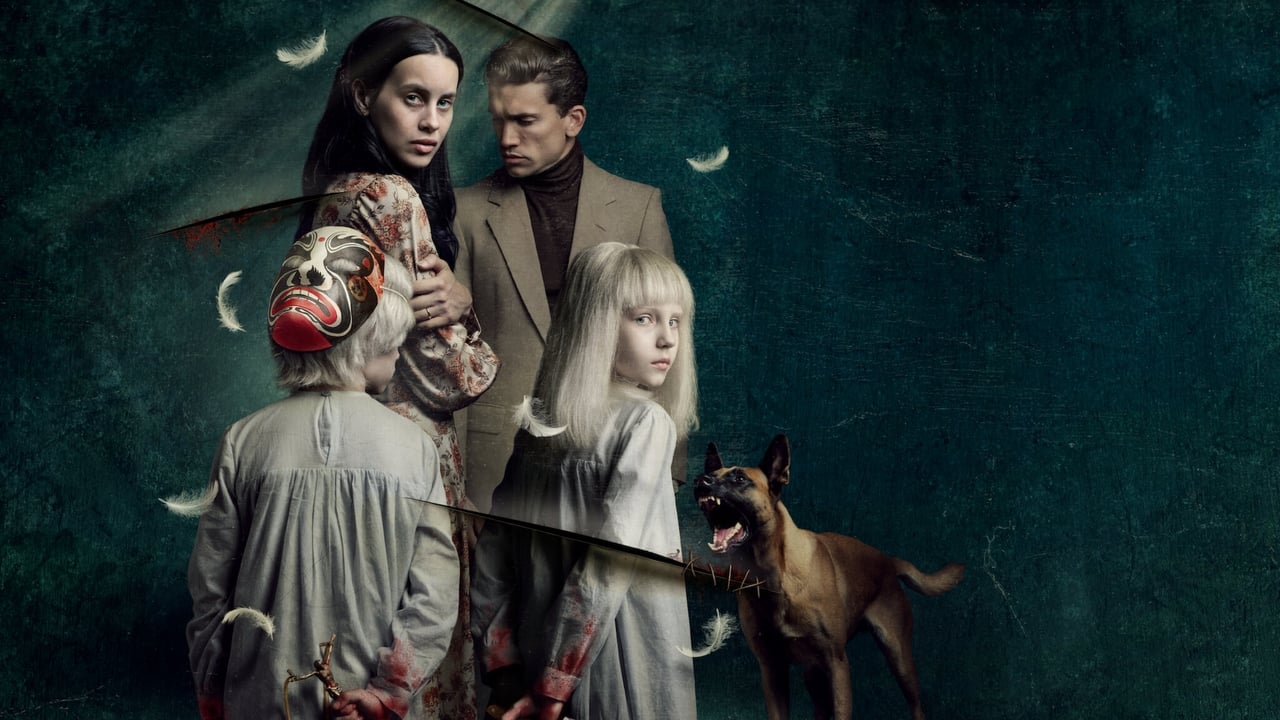
You’ve seen the thumbnail on Netflix. Two pale, wide-eyed kids with bowl cuts looking like they just stepped out of a Victorian nightmare. Honestly, Tin and Tina is one of those movies that sticks in your brain not because it’s a jump-scare fest, but because it is deeply, profoundly weird.
It’s 1981 in Spain. Lola and Adolfo are having the worst wedding day in history. Lola miscarries twins at the altar, and the doctor drops the bomb that she can’t have kids anymore. Fast forward through some heavy depression, and the couple ends up at a creepy convent orphanage. They leave with Tin and Tina—albino twins who have been raised in a religious vacuum.
Basically, these kids take the Bible literally. Like, dangerously literally.
The Problem With Biblical Logic
If you tell a normal kid to "cleanse" something, they grab some soap. When Tin and Tina decide the family dog, Kuki, needs a "cleansing" after biting Lola, they use a carving knife. They aren’t "evil" in the traditional sense. They don't have glowing eyes or demonic voices. They just lack any concept of metaphor.
This is where the Tin and Tina movie really starts to mess with your head. Most "creepy kid" movies, like The Omen or Orphan, give you a clear villain. Here? The horror comes from their innocence. They genuinely believe they are doing God’s work, which is way more terrifying than a standard possession.
- The "See God" Game: The twins literally suffocate themselves with plastic bags to "see" the divine.
- The Baptism: They nearly drown Lola’s miracle baby because they want to save its soul from original sin.
- The Miracle: Lola gets pregnant despite medical "impossibility." Is it a gift from God or a coincidence that fuels the twins' fanaticism?
What Really Happened in the Ending?
The house is burning. Adolfo is a human torch. Lola is frantically searching for her baby in the smoke. It’s a chaotic, high-stress climax that leaves most people asking: Did the kids do it?
The Mother Superior at the convent swears the twins were with her all night. She says it’s a "miracle" that Lola and the baby survived. But here’s the thing—the movie leaves it just ambiguous enough to be annoying (in a good way). Adolfo was struck by lightning while trying to fix the TV antenna. A literal "act of God."
Lola, who spent the whole movie losing her faith, finally snaps. She covers her head in a plastic bag—the twins' own "game"—to find her baby. And she does. In her mind, the twins were right all along. Faith "saved" her child, even if it cost her husband his life.
Why the 1981 Setting Matters
Most viewers miss the political subtext. Spain in 1981 was a country in transition, shaking off decades of Franco’s dictatorship and ultra-conservative Catholicism. The movie is basically a battle between the old world (the twins' rigid, scary religion) and the new world (Adolfo’s secularism and technology).
Adolfo is obsessed with his TV and his career. He represents the modern Spaniard who doesn't have time for "miracles." Lola is caught in the middle. By the time the credits roll, the "old ways" have won. Lola is back in the fold, wearing a rosary, and adopting the kids again. It’s a tragedy dressed up as a happy ending.
Quick Facts You Might Have Missed
- The Short Film: This wasn't originally a two-hour movie. Director Rubin Stein first made a 12-minute short in 2013. It was shot in black and white and was arguably even creepier because of its brevity.
- The Cast: Milena Smit (Lola) is a powerhouse. You might recognize her from Pedro Almodóvar’s Parallel Mothers. Jaime Lorente (Adolfo) is a huge deal too—he was Denver in Money Heist.
- The Albinism: The choice to make the twins albinos wasn't just for the "look." It highlights their isolation from the world and makes them feel like spirits rather than humans.
Actionable Insights for Your Next Rewatch
If you’re going back in for a second viewing, stop looking for "clues" that the kids are secret serial killers. You won't find them. Instead, watch Lola. The movie isn't actually about the twins; it's about a woman's psychological breakdown and her eventual surrender to a belief system that provides answers, even if those answers are violent.
- Watch the background. The religious iconography in the house grows more suffocating as the movie progresses.
- Listen to the music. The songs the kids sing are nursery rhymes twisted into prayers.
- Pay attention to the lightning. It’s the ultimate "deus ex machina" that resolves the plot but leaves the moral questions wide open.
Take a look at the final shot again. Lola looks directly at the camera. She isn't the victim anymore; she’s a convert. And that is the real horror.