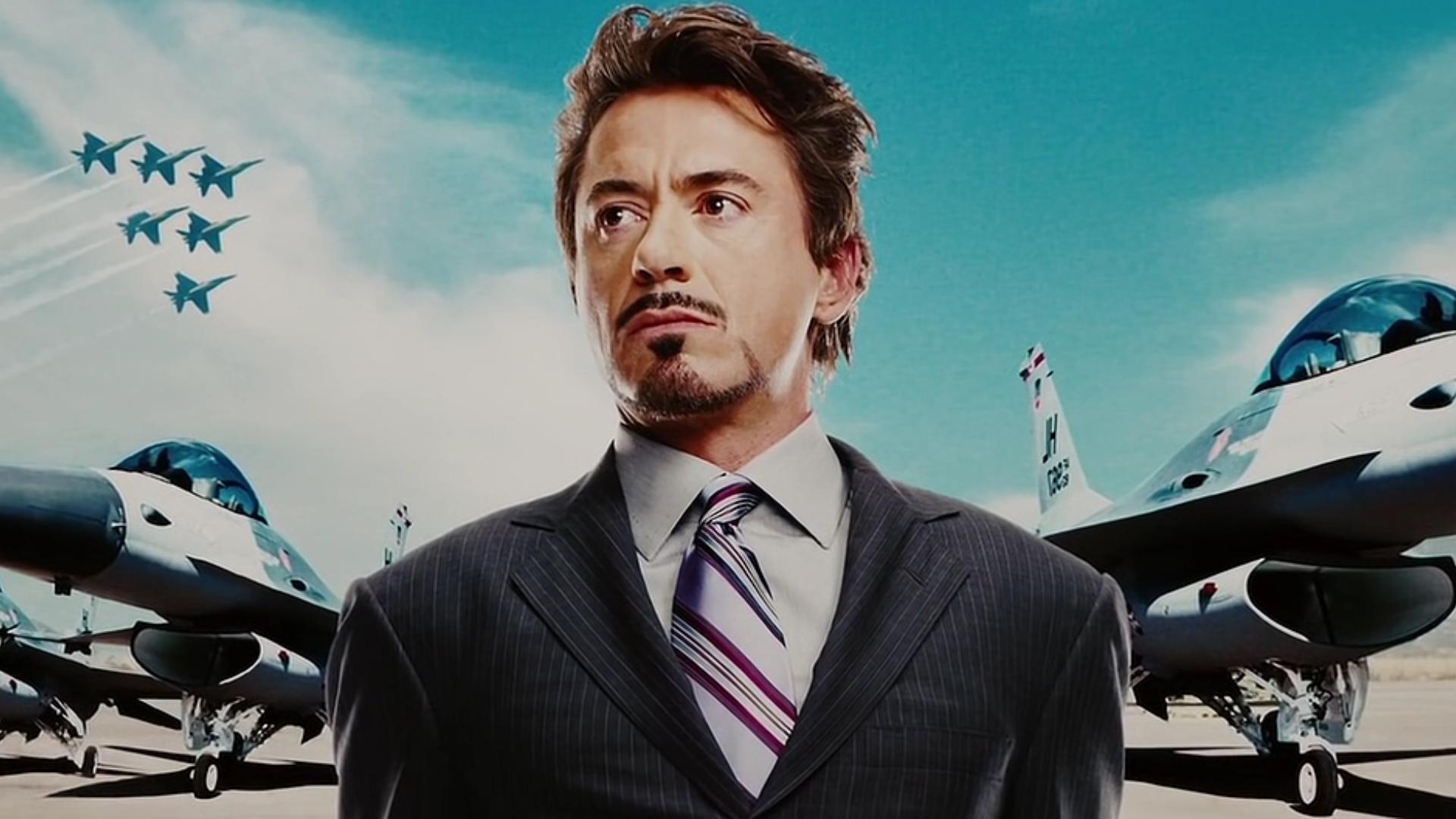
He’s been gone from the big screen for seven years. Yet, somehow, Tony Stark still feels like the center of the universe. If you walk into a comic shop today, or scroll through the latest casting leaks for the next Avengers flick, his name is the one everyone is whispering about. It’s kinda wild. Usually, when a movie character dies, they stay dead—at least in the cultural zeitgeist. But Stark isn't just a character. He's a blueprint.
Honestly, we’ve reached a point where "Iron Man" is a legacy, but Tony Stark is a haunting. Whether it’s the massive 2026 comic relaunch or the head-spinning news about Robert Downey Jr. returning to the MCU—this time as Victor von Doom—the ghost of Stark is everywhere. You can't escape him.
The 2026 Reinvention: More Than Just a Suit
Marvel Comics just kicked off a brand new run for the armored avenger. This isn't your standard "villain of the week" story. Written by Joshua Williamson with art by Carmen Carnero, the 2026 Iron Man series is basically a psychological deep dive. It asks a pretty terrifying question: Is the suit the weapon, or is Tony’s brain the real danger?
Think about it.
We always focus on the Mark 75 armor or whatever shiny new nanotech he’s cooked up. But the real threat has always been that 200+ IQ. This new run features Madame Masque and A.I.M. trying to literally "build" a new Tony Stark. They aren't just stealing his tech anymore; they’re trying to replicate his genius. It’s meta as hell. It mirrors how Marvel itself has been trying to find a "new Tony" to lead the franchise ever since Endgame.
Why Robert Downey Jr. as Doctor Doom is Breaking Brains
The internet nearly imploded when it was confirmed that RDJ is coming back, but not as the guy who saved the world with a snap. He’s playing Victor von Doom.
Is he a Stark variant? Is he just a dude who happens to look like Tony?
The theories are flying. Some fans are pointing toward Infamous Iron Man, where Doom actually tries to take up Tony's mantle. Others are looking at older What If? comics where Victor and Tony swapped bodies in college. Basically, Tony ended up in Victor’s body and Victor lived Tony’s life of luxury.
It's a brilliant, if slightly desperate, move by Marvel. By casting the face of the MCU's greatest hero as its next big villain, they’re forcing us to look at Tony Stark’s legacy through a dark, distorted lens. If Tony had been born a little more bitter, or if Howard Stark had been just a bit more cruel, would Iron Man have been the world's greatest tyrant instead of its savior?
The "Floating Timeline" Problem
If you’re a purist, the history of Tony Stark can be a headache. In the original 1963 comics, his origin was tied to the Vietnam War. Then it was the Gulf War. In the 2008 movie, it was Afghanistan.
This is what writers call a "sliding timescale."
Basically, Tony is always "around 40," no matter what decade we're in. It's the only way to keep him relevant. But this constant updating creates some weird friction. In the comics, Tony was actually adopted—a fact that hasn't really hit the movies yet. His biological brother, Arno Stark, has been a major player in recent years, leading a robot revolution that Tony had to shut down.
The MCU Tony is a lot more "likable" than his comic book counterpart. Comic-book Stark is often kind of a jerk. He’s dour, he struggles with severe alcoholism (the famous Demon in a Bottle arc), and he’s been a literal antagonist in events like Civil War. Movie Tony is the guy you want to grab a drink with; Comic Tony is the guy who might secretly be tracking your GPS coordinates "for your own safety."
Real Tech is Catching Up (Sorta)
We don't have arc reactors yet. Sorry to break it to you. A palm-sized device producing 3 gigawatts of power is still firmly in the realm of "space magic."
But the rest? It's getting closer than you'd think.
- Exoskeletons: Companies like Raytheon have been working on the XOS series for years. These suits let soldiers lift hundreds of pounds like they're nothing.
- Neural Interfaces: We’re seeing real-time "mind-to-machine" links. It's not quite Jarvis yet, but the idea of controlling a suit with your thoughts is becoming a laboratory reality.
- Nanotech: We aren't growing entire suits out of a housing unit on our chest, but we are seeing "metal fabrics" and shape-memory alloys that can change rigidity with an electrical pulse.
What Most People Get Wrong About the Sacrifice
Everyone talks about the snap. "I am Iron Man." It’s the ultimate hero moment.
But the real growth wasn't that he was willing to die. It was that he was finally willing to stop.
In Age of Ultron, Tony’s biggest fear was "not doing enough." He was obsessed with building a "suit of armor around the world." That obsession almost destroyed the Avengers. By the time we get to the five-year jump in Endgame, Tony has actually found peace. He has a daughter. He has a cabin. He has a life.
The sacrifice wasn't just his life; it was his happiness. He gave up the one thing he finally realized he wanted—a quiet life—to give everyone else their lives back. That’s the nuance that makes Tony Stark the "anchor being" of the entire narrative, even if he’s not physically in the room anymore.
How to Lean Into the Legacy
If you're looking to dive deeper into the world of Stark in 2026, don't just rewatch the movies. The landscape is shifting.
First, check out the new Iron Man #1 by Williamson. It’s the best entry point for new readers in a decade. It strips away the complex "Iron God" and "Stark Sentinels" baggage and gets back to the core of Tony as a creator.
Second, keep an eye on the Iron Heart and Armor Wars projects. These are the true tests of whether Tony's "world of heroes" can survive without him. We're seeing a move away from the "billionaire playboy" trope toward younger, more diverse voices who are hacking Stark's tech to solve different kinds of problems.
Tony Stark taught us that we are responsible for the things we build. Whether that's a suit of armor or a global franchise, the bill eventually comes due. In 2026, we’re finally seeing what happens when the world tries to pay that bill without the man who signed the check.
Explore the latest comic run to see how Tony's "dangerous mind" is being handled by modern writers. Pay attention to how the "Stark-like" tech in the real world—from AI assistants to powered exoskeletons—is being regulated. The questions Tony wrestled with in fiction are becoming the policies we have to write in reality.