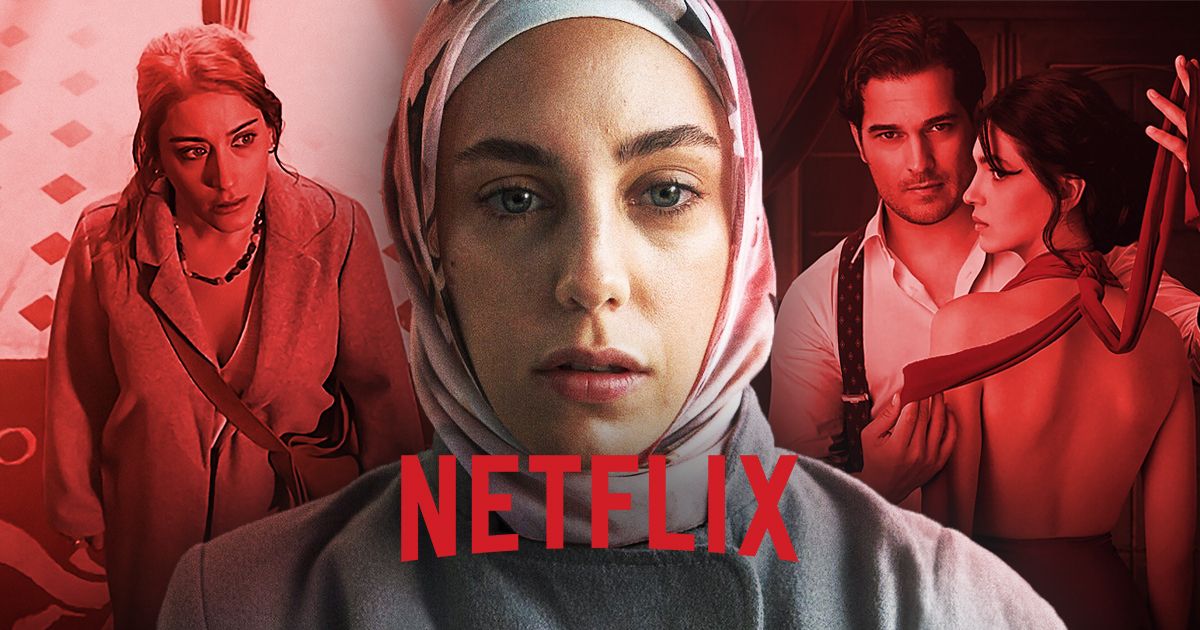
You’ve seen them on your Netflix homepage. Those intense, high-budget dramas with sweeping views of the Bosphorus and actors who look like they were carved out of marble.
Maybe you’ve even fallen down the rabbit hole yourself.
Turkish TV series—locally known as dizi—aren't just shows anymore. They’re a full-blown global pandemic of storytelling. Honestly, if you told someone twenty years ago that a drama about an Ottoman sultan or a messy family feud in Istanbul would be the most-watched thing in Chile or Italy, they’d have laughed.
But here we are in 2026, and the numbers are staggering. We're talking about an industry that pulls in over $1 billion in export revenue annually.
It's Not a Soap Opera, It's a Dizi
Don't call them soap operas. Seriously. Fans will get touchy.
Unlike American soaps that run for thirty years with the same three sets, a Turkish dizi is an epic. We’re talking movie-grade production values. Each episode can run for two hours—sometimes more. It’s a massive commitment.
Why do people stay?
Because the pacing is different. Western TV often rushes toward the "hook" or the next explosion. Turkish storytelling breathes. It lingers on a look, a silence, or a cup of tea. It’s what researchers often call "emotional density."
Take a show like Yargı (The Family Secrets). It didn't just win an International Emmy because of the plot twists. It won because it made the audience feel the weight of every moral choice the characters made. Or look at the 2024-2025 breakout Bahar. It’s basically a story about a housewife reclaiming her life after a health crisis, but the way it’s filmed makes it feel like a high-stakes thriller.
The 2026 Landscape: What’s Actually Worth Watching?
If you're just starting, the sheer volume of content is terrifying. The Turkish "rating wars" are brutal. If a show doesn't perform in its first three weeks, it gets the axe. No mercy.
Currently, Kızıl Goncalar (Red Roses) is causing huge waves. It’s gutsy. It dives into the tension between secular and religious families in Turkey, which is a bit of a lightning rod topic. It’s not just fluff; it’s social commentary wrapped in a very addictive package.
Then you have the historical epics. Kuruluş: Osman is still chugging along, but the newer Mehmed: Fetihler Sultanı has taken the "swords and horses" genre to a level of CGI detail that gives Hollywood a run for its money.
A Quick Cheat Sheet of Recent Hits:
- İnci Taneleri (Secret of Pearls): A poetic, slightly melancholic drama that feels more like literature than TV.
- Uzak Şehir: A 2024/2025 favorite that captures the rugged beauty of Mardin.
- Kimler Geldi Kimler Geçti (Thank You, Next): If you want something shorter and more "Netflix-style" (basically a rom-com with a modern Istanbul vibe).
The Secret Sauce of Global Success
Why does a grandmother in Mexico and a teenager in Pakistan watch the same show?
Cultural proximity is part of it. A lot of Turkish series focus heavily on family honor, respect for elders, and the agonizingly slow burn of a "forbidden" romance. It feels more relatable to a global majority than the often hyper-individualistic themes found in US exports.
Plus, there's the "Halit Ergenç factor." Or the "Burak Özçivit factor." The star power is real. These actors aren't just local celebrities; they have millions of followers from Brazil to Indonesia. When Kiralık Aşk or Erkenci Kuş aired, they didn't just export a story—they exported a lifestyle. The fashion, the furniture, and even the way people drink Turkish coffee became a trend.
The Streaming Wars Changed the Game
Digital platforms like Gain, Exxen, and Tabii (the international platform from TRT) have changed how these stories are told.
On national TV (Kanal D, Star, ATV), you have to follow strict censorship rules from RTÜK. No excessive gore, no explicit scenes, and definitely no drinking alcohol on screen without a heavy blur.
But on digital? The creators let loose.
Shows like Ethos (Bir Başkadır) or The Club (Kulüp) are masterpieces of nuance. They deal with the Jewish community in 1950s Istanbul or the deep psychological divides in modern society. These shows are shorter—usually 8 to 10 episodes—and they’re where the real "art" is happening right now.
Common Misconceptions
A lot of people think these shows are just for women. Wrong.
The "mafia drama" is a huge subgenre in Turkey. Series like The Brave (Hudutsuz Sevda) or the legendary Çukur have massive male audiences. They’re about neighborhood loyalty, betrayal, and intricate underworld politics.
Another myth is that they’re all "conservative." While many are, there’s a growing movement of progressive storytelling that challenges traditional gender roles. Just look at the character of Bahar or the fierce women in Kızılcık Şerbeti. They aren't just pining for men; they're dismantling the systems around them.
Actionable Steps for the Aspiring Dizi Watcher
If you want to get into this without losing your mind, here is how you do it properly:
- Start with a "Summer Rom-Com": These are lighter, shorter, and usually set in gorgeous beach towns or high-end Istanbul offices. Search for Sen Çal Kapımı or Erkenci Kuş.
- Use Specialized Trackers: Since Turkish TV schedules are chaotic, use a site like Dizilah or follow "Dizi Twitter" to keep track of translation releases and cancellations.
- Learn the "Bolüm" Logic: An episode is called a bölüm. If you see "Bölüm 150," don't panic. Just start at the beginning. Most fans say the "soul" of a series settles in around episode 4.
- Watch for the Soundtrack: Composers like Toygar Işıklı are the unsung heroes here. The music is often recorded with full orchestras and is half the reason the emotional scenes work so well.
The industry isn't slowing down. With production companies like Ay Yapım and OGM Pictures signing major international deals, you're going to see more Turkish faces on your screens in 2026 and beyond. Whether it's a historical battle or a toxic love triangle, the dizi is here to stay.
Just make sure you have plenty of snacks. You’re going to be there for a while.