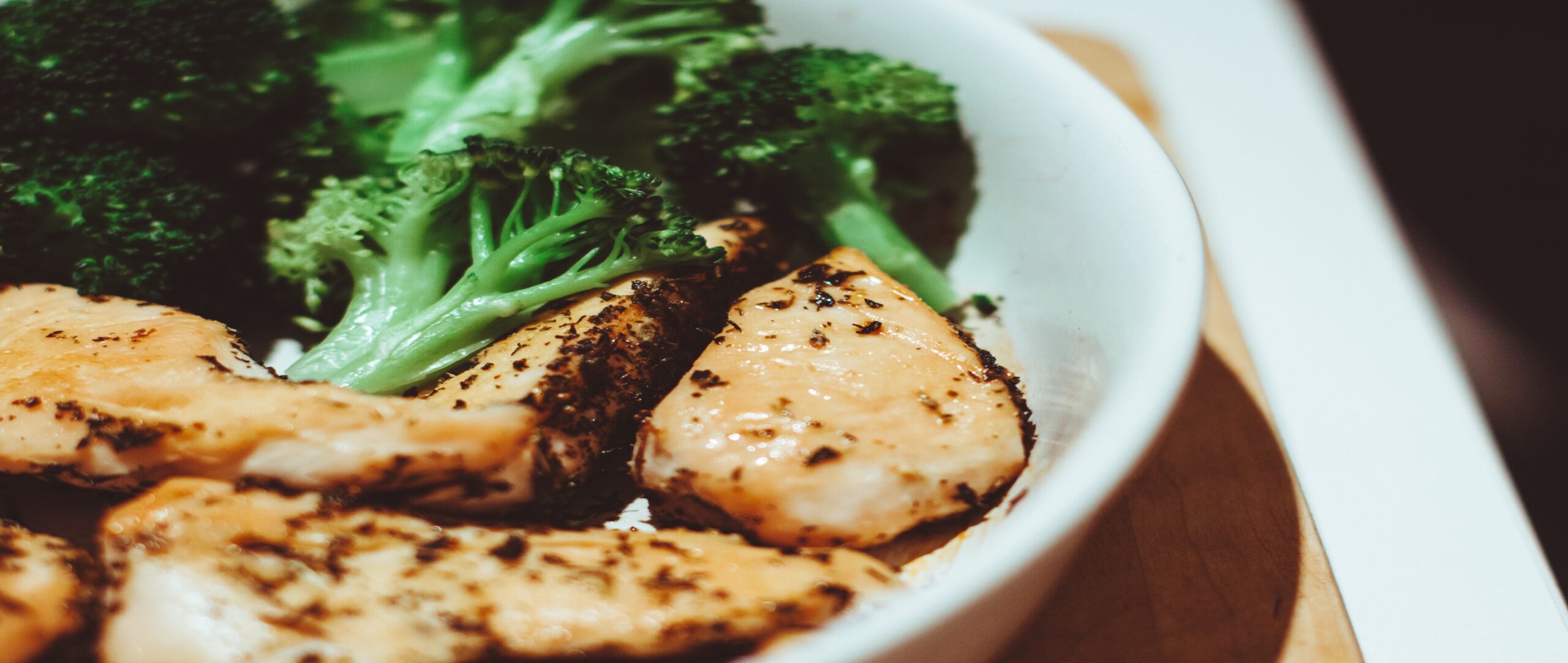
Hitting a high protein goal isn't just about drinking shakes until you feel slightly nauseous. Honestly, for most people, trying to figure out what 160 grams of protein look like in a single day feels like a full-time job. You see bodybuilders on social media tossing around cartons of egg whites like they’re water, but for the average person trying to keep their sanity, it’s a massive puzzle. 160 grams is a lot. It’s significantly more than the "three square meals" approach usually provides.
If you’re aiming for this number, you’re likely in a heavy lifting phase or trying to preserve muscle while cutting calories. Research, like the meta-analysis published in the British Journal of Sports Medicine by Morton et al. (2018), suggests that for muscle hypertrophy, the "sweet spot" is often around 1.6 grams of protein per kilogram of body weight. For someone weighing about 220 pounds (100kg), 160 grams is actually a bit on the conservative side, but for many, it’s the gold standard for seeing real change.
Let's get real about the volume.
The Raw Reality of the 160-Gram Goal
If you tried to get all your protein from just one source, your jaw would probably give out before your stomach did. Take eggs, for example. A large egg has about 6 grams of protein. To hit 160 grams, you'd need to eat roughly 27 eggs. Every single day. That's not a diet; that's a scene from Cool Hand Luke.
Most people fail at high-protein diets because they don't plan for the sheer bulk of the food. It's not just about the meat. It's about the "hidden" protein in grains, the snacks you pick throughout the day, and yes, the occasional supplement. When you're visualizing what 160 grams of protein look like, think of it as a mountain of food that needs to be broken down into manageable hills.
Why the 160 Gram Target?
Why this specific number? Well, 160 grams is often the threshold where "accidental" protein intake stops and "intentional" eating begins. You can easily hit 60 or 80 grams by just eating a normal Western diet with some chicken at dinner. But doubling that? That requires a strategy. You have to start looking at every meal as an opportunity.
Breaking Down the Macros: A Day on the Plate
Let's look at a realistic day. No one wants to eat 27 eggs. Instead, we mix sources to keep things interesting and, frankly, edible.
Breakfast: The Foundation
Start with a cup of Greek yogurt. Not the sugary stuff, but the thick, plain, slightly sour kind. One cup (about 227g) gives you roughly 23 grams of protein. Throw in a scoop of whey protein powder (25g) and you're already at 48 grams. That’s a massive head start. If you skip breakfast or just have toast, you’re setting yourself up for a miserable 10:00 PM binge where you’re trying to cram 80 grams of protein into a midnight snack.
Lunch: The Lean Bulk
A standard chicken breast is about 150 to 170 grams in weight. That translates to roughly 45 to 50 grams of protein. Pair that with half a cup of cooked quinoa (4g) and some broccoli. You've just knocked out another 54 grams.
Total so far: 102 grams.
See? We're more than halfway there, and you haven't even touched dinner yet. This is where the magic happens. By front-loading your day, the "impossible" task of hitting 160 grams becomes a breeze.
The Afternoon Slump
Most people hit a wall around 3:00 PM. Instead of a bag of chips, grab a stick of low-fat string cheese (6g) or a handful of almonds (6g per ounce). It doesn't seem like much, but these "bridge" snacks are what prevent you from failing. If you add a small tin of tuna (25g), you've basically finished the race.
Current Total: 139 grams.
Dinner and the Final Stretch
For dinner, you don't need a 16-ounce steak. A 6-ounce fillet of salmon provides about 34 grams of protein. Combine that with a side of lentils or a protein-rich pasta, and you've officially crossed the finish line.
In fact, let's look at what 160 grams of protein look like if we used common whole foods:
- 6 oz Chicken Breast: 52g
- 1 cup Greek Yogurt: 23g
- 1 scoop Whey Protein: 25g
- 6 oz Salmon: 34g
- 2 Large Eggs: 12g
- 1 cup Cooked Lentils: 18g
That’s 164 grams. It’s a lot of food, but it’s not "competitive eater" levels of food. It fits into a standard 2,000 to 2,500 calorie day quite comfortably if you aren't drenching everything in butter and oil.
What People Get Wrong About High Protein
Bioavailability is a word that gets thrown around a lot in fitness circles, and for good reason. Not all protein is created equal. The DIAAS (Digestible Indispensable Amino Acid Score) is the modern gold standard for measuring how well our bodies actually use the protein we eat. Animal proteins like dairy, eggs, and meat usually score above 1.0, meaning they are highly efficient. Plant proteins often score lower because they might lack one or two essential amino acids or are harder to digest.
If you are getting your 160 grams purely from plant sources like beans and rice, you might actually need to aim a bit higher—maybe 175 or 180 grams—to account for the lower absorption rates. It's a nuance that most "influencer" meal plans completely ignore.
The "Anabolic Window" Myth
You don't need to chug a shake within 30 seconds of dropping your last dumbbell. Total daily intake is far more important than timing. However, spreading that 160 grams across 4 or 5 meals is generally better for muscle protein synthesis than trying to eat two 80-gram "megameals." Your body can only process so much at once, though the old "30 grams per meal" limit has been largely debunked by newer research suggesting we can utilize much more, it just takes longer to digest.
Strategic Grocery Shopping for the 160g Goal
You can't wing this. If your fridge is empty, you're going to end up eating a bowl of cereal and falling 100 grams short. You need staples.
Keep these in the house at all times:
- Liquid Egg Whites: Add them to whole eggs to boost protein without massive amounts of fat.
- Cottage Cheese: It’s the unsung hero of the dairy aisle. 28 grams of protein per cup.
- Canned Sardines or Mackerel: Fast, portable, and incredibly nutrient-dense.
- Edamame: A great "fidget food" snack that actually has decent protein (18g per cup).
Visualizing the Volume
Think of a deck of cards. That’s roughly 3 ounces of meat (21g protein). To hit 160 grams, you need about eight "decks of cards" worth of protein-dense food. When you look at your plate, half of it should almost always be your protein source. If the carbs are the star of the show, you aren't hitting your goal.
Common Pitfalls and How to Avoid Them
The biggest mistake? Over-reliance on shakes. Shakes are a tool, not a lifestyle. If you're getting 100 of your 160 grams from powders, you're going to be hungry. Whole foods provide satiety. They have "thermic effect," meaning your body burns more calories just trying to break down a piece of steak than it does a liquid shake.
Another trap is the "Hidden Fat" trap. Many high-protein foods, like ribeye steak or full-fat cheese, come with a lot of baggage. If you're trying to stay in a calorie deficit while hitting 160 grams, you have to lean toward whites: egg whites, white fish, chicken breast, and turkey.
Actionable Steps for Tomorrow
If you want to see what 160 grams of protein look like in your own life, start tomorrow morning. Don't wait for Monday.
- Track everything for 24 hours. Use an app like Cronometer or MyFitnessPal. Don't change how you eat yet; just see where you're starting. Most people are shocked to find they’re only eating 70 grams.
- The "Protein First" Rule. At every meal, eat your protein source before you touch the sides. It ensures you hit the macro goal before you get too full.
- Double the meat. If a recipe calls for one pound of ground turkey, use two. It’s the easiest way to "protein-ify" your existing favorite meals.
- Hydrate. High protein intake requires more water for your kidneys to process the urea. Drink an extra liter of water for every 50 grams of protein you add to your diet.
Hitting 160 grams is a commitment to your physical composition. It requires a shift in how you view food—less as entertainment and more as the literal bricks and mortar for your body. It takes a few weeks for your digestive system to adjust, so if you feel a bit bloated at first, give it time. Your metabolism will eventually ramp up to handle the load.
Focus on variety, prioritize lean sources, and remember that consistency beats perfection. If you hit 140 one day and 180 the next, you're still winning. The goal is the trend, not just a single day's snapshot.