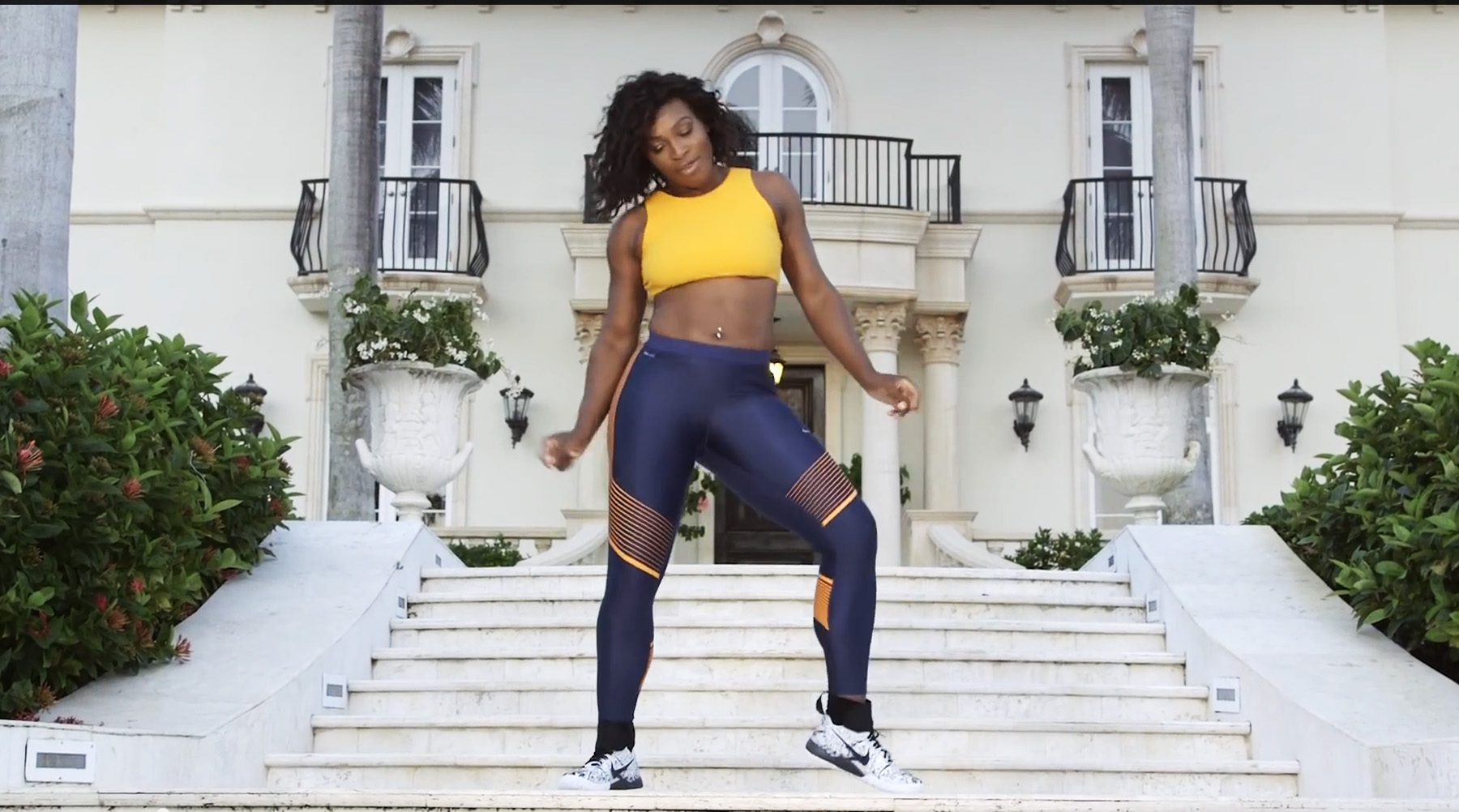
You've seen it. Whether it was Miley Cyrus on a VMAs stage over a decade ago or a random viral clip on your TikTok feed this morning, twerking is everywhere. But if you're asking what does twerking mean, you’re actually digging into a story that goes way deeper than a catchy pop culture trend. It’s a dance. It’s a cultural flashpoint. Honestly, it’s a whole language of movement that has roots stretching back much further than most people realize.
It’s rhythmic. It’s athletic. At its most basic level, twerking involves a person—usually a woman—squatting low and thrusting their hips in a way that makes the gluteus muscles bounce or wobble. But describing it like a biology textbook totally misses the point.
Where Did This Even Come From?
Most people think twerking started in the 2000s. They're wrong. The term itself is heavily tied to the New Orleans "Bounce" music scene of the late 1980s and early 1990s. If you want to get technical, the first recorded mention of the word in a musical context is often credited to DJ Jubilee’s 1993 track "Do the Jubilee All." He chanted, "Twerk it, t-t-t-twerk it," and a global phenomenon was essentially born in a crowded club in Louisiana.
But the movement? That's ancient.
The roots of twerking are firmly planted in West African dance traditions. Specifically, dances like the Mapouka from Côte d'Ivoire. This isn't just a random guess by historians; the pelvic isolations and rhythmic focus are almost identical. When we talk about what twerking means today, we have to acknowledge that it’s a modern evolution of the African Diaspora. It traveled from West Africa to the Caribbean and eventually to the American South, evolving at every stop.
The Linguistic Mystery: Is it "Twist" and "Jerk"?
There is a lot of debate about the etymology of the word. Some linguists suggest it’s a "portmanteau"—a fancy way of saying a mashup—of the words "twist" and "jerk." It makes sense if you think about the physical motion. Others argue it’s just a variation of "work," as in "working" the floor.
Interestingly, the Oxford English Dictionary (OED) didn’t just add the word on a whim in 2013. They actually did some digging and found that "twerk" had been used as a noun or verb to describe a twisting or jerking movement as far back as 1820. Back then, it was spelled "twirk." So, while the modern sexualized dance is new, the word itself has been lurking in the English language for two centuries.
Why Everyone Got So Upset About It
Remember 2013? Miley Cyrus performed at the MTV Video Music Awards with Robin Thicke. She used a giant foam finger. She twerked. The internet basically imploded.
This moment is crucial to understanding what does twerking mean in a social context. For many, it was their first exposure to the term, but for the Black community, it felt like "Columbusing"—the act of "discovering" something that had already existed for decades. The backlash was twofold. On one side, conservative critics called it "vulgar" or "the end of civilization." On the other side, cultural critics pointed out that a white pop star was being celebrated (or at least trending) for a dance that Black women had been doing—and being judged for—for years.
It’s a complicated dance. Literally.
When a dance moves from a specific subculture into the mainstream, it loses some of its original meaning. In the New Orleans Bounce scene, twerking was about community, high-energy expression, and local pride. When it hit the global stage, it became a shortcut for "being provocative." That shift is a huge part of the tension surrounding the word today.
The Physicality: It’s Harder Than It Looks
Let’s be real for a second. If you’ve ever tried to do it, you know twerking is an absolute workout. It’s not just "shaking your butt." It requires a surprising amount of core strength, lower back flexibility, and quad endurance.
- You have to hold a deep squat.
- You have to isolate your lower spine from your upper body.
- You have to maintain a specific rhythm that matches the bassline of the music.
Physical therapists have actually commented on this. While it's great for toning the glutes, if you do it with poor form, you can actually strain your lower back. It’s an athletic feat masquerading as a party trick.
What Does Twerking Mean in Different Contexts?
Context is everything. If you're at a Big Freedia concert in New Orleans, twerking is a form of liberation and joy. It’s a celebration of the body. If you’re looking at it through the lens of feminist theory, some see it as reclaiming bodily autonomy—choosing to move in a way that is powerful and self-assured regardless of the "male gaze."
However, we can't ignore the hyper-sexualization. Because the dance focuses so heavily on the hips and glutes, it is frequently viewed through a sexual lens. This leads to a lot of gatekeeping. Who "should" be allowed to do it? Is it empowering or is it performative? There isn't one single answer, and that’s why the debate continues every time a new celebrity posts a video.
More Than Just a Trend: The Economic Impact
Twerking has actually driven local economies. No, seriously. The rise of Bounce music created a whole ecosystem of dancers, promoters, and videographers in New Orleans. Today, you can find "Twerkout" fitness classes in almost every major city from New York to Tokyo.
People pay $25 an hour to go to a gym and learn how to twerk for the sake of cardio. It’s become a legitimate branch of the fitness industry. This transition from "underground club dance" to "suburban fitness craze" is a classic example of how street culture eventually gets packaged and sold back to the public.
The Viral Loop: TikTok and Beyond
In the 2020s, the definition of twerking has shifted again because of TikTok. Short-form video thrives on high-energy, visual movements. Twerking fits that mold perfectly. But because of platform guidelines and "shadowbanning," creators have had to get creative. You’ll see variations of the dance that are slightly modified to avoid being flagged as "suggestive" content.
This has led to "algorithmic dancing." People are now twerking in ways that are specifically designed to look good on a smartphone screen, often emphasizing the "drop" in a song.
Common Misconceptions
People get a lot of things wrong about this dance.
- It’s only for "young" people: Not really. In many cultures, hip-shaking dances are performed by people of all ages during celebrations.
- It’s just about being "sexy": For many dancers, it’s about the technical skill of muscle control. It’s about hitting the beat.
- It’s "easy": Refer back to the part about quad strength. Try doing it for three minutes straight and tell me it's easy.
How to Understand the "Vibe"
If you're trying to figure out what twerking means when you see it in the wild, look at the environment. In a music video, it’s often a visual spectacle. In a fitness class, it’s a glute workout. In a social setting among friends, it’s often just a way to blow off steam and be silly.
It’s a multifaceted movement. It carries the weight of history, the tension of racial politics, and the sheer energy of modern pop music.
Actionable Takeaways for the Culturally Curious
If you want to respect the dance and understand its place in the world, keep these points in mind:
- Acknowledge the Source: Understand that while Miley Cyrus or TikTok stars might have made it "mainstream," the credit belongs to Black culture and New Orleans Bounce.
- Watch the Pioneers: Check out artists like Big Freedia or archival footage of New Orleans club scenes from the 90s. That’s where the "soul" of the movement lives.
- Respect the Skill: Don't dismiss it as "talentless." The isolation required for high-level twerking is similar to the isolations found in belly dancing or breakdancing.
- Check Your Bias: Ask yourself why certain movements are labeled "trashy" while others (like ballet or ballroom) are "classy." Usually, those labels have more to do with who started the dance than the movement itself.
Ultimately, twerking is a form of expression that isn't going anywhere. It has survived centuries of evolution and decades of controversy. It's a testament to the power of rhythm and the human desire to move to the beat. Whether you're doing it in a gym, watching it on a stage, or just trying to understand the latest internet meme, you're looking at a piece of living history that is as complex as it is rhythmic.
Next Steps for Deep Diving
- Research "New Orleans Bounce": Look into the history of artists like Cheeky Blakk and DJ Jubilee to see the birth of the term.
- Explore West African Mapouka: Watch videos of traditional Ivorian dance to see the striking similarities in pelvic movement.
- Analyze the "Miley Effect": Read academic papers on cultural appropriation versus appreciation—twerking is often the primary case study in these discussions.
Understanding the "what" of twerking is easy. Understanding the "why" and the "where" is what makes you a truly informed observer of modern culture. It’s more than a dance; it’s a story told through movement.