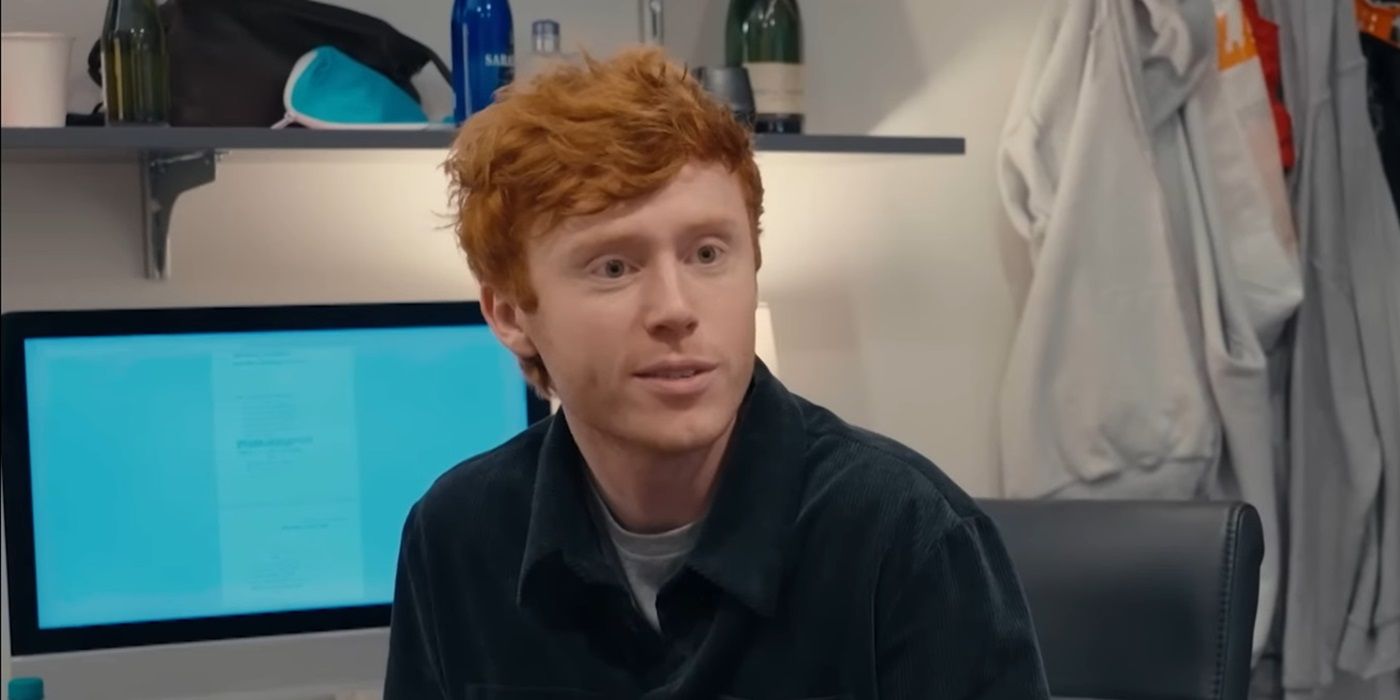
Internet rumors are a wildfire. One minute you’re watching three guys from NYU make a funny digital short about a Chelsea hotel, and the next, your Twitter feed is blowing up with vague, shadowy claims about their personal lives. It’s wild. If you’ve spent any time on TikTok or Reddit lately, you’ve probably seen people whispering about the Please Don't Destroy allegations, a topic that has somehow become a magnet for misinformation, stan culture drama, and genuine curiosity about how Saturday Night Live handles its talent.
The trio—Ben Marshall, John Higgins, and Martin Herlihy—became the face of SNL’s digital age almost overnight. They filled the Lonely Island-sized hole in our hearts. But fame brings scrutiny. And scrutiny, especially in the 2020s, often brings "allegations" that range from serious workplace misconduct to just... being a "nepo baby."
Honestly, sorting through the noise is a headache. You have people claiming they were rude at a live show, mixed with darker, unverified rumors that never seem to have a primary source. It's the classic internet game of telephone.
The "Nepo Baby" Narrative and Where the Heat Started
Most of the frustration directed at the group isn't actually about a crime or a specific "scandal" in the legal sense. It’s about who their dads are. Let's be real: it’s hard to ignore the lineage. John Higgins is the son of Steve Higgins (SNL writer and Jimmy Fallon’s announcer). Martin Herlihy is the son of Tim Herlihy (Adam Sandler’s long-time writing partner and former SNL head writer).
When people talk about the Please Don't Destroy allegations, they are often conflating "allegations of unfair advantage" with "allegations of bad behavior." The internet loves to hate a nepo baby. It’s a low-hanging fruit.
Is it fair? Kinda. Is it a scandal? Not really.
The industry runs on connections. But for a lot of fans who struggled through the pandemic, seeing three guys get a direct pipeline to Studio 8H because of their last names felt like a slap in the face. This resentment created a vacuum. When you already dislike someone for their privilege, you're more likely to believe—or invent—stories about them being "difficult" or "entitled" behind the scenes.
Separating Viral Rumors from Verifiable Facts
Let’s get into the weeds of the actual "claims" that have floated around. If you dig into the depths of "DeuxMoi" or certain subreddit threads, you’ll find anonymous tips. These tips usually follow a pattern: "I saw them at a bar and they were jerks," or "I heard from a friend of a friend that they aren't nice to the PAs."
Here is the thing about those Please Don't Destroy allegations: none of them have been backed by a named source or a formal HR report that has gone public.
In 2023, a series of TikTok videos started circulating that hinted at "problematic behavior" during their college years at NYU. People were looking for a smoking gun. They wanted a reason to deconstruct the "lovable losers" persona the guys project in their sketches. However, despite the frantic searching by internet sleuths, no victims came forward with specific, dated, or actionable accounts of misconduct.
It was a lot of "vibes-based" accusations.
You know the type. "They just give off bad energy." That’s not an allegation; that’s a preference. Yet, in the economy of clicks, "I don't like their comedy" gets way less engagement than "THEY ARE CANCELLED." This is where the confusion lives. We’ve reached a point where a lack of likability is treated with the same weight as a criminal indictment.
The SNL Workplace Culture
Working at SNL is notoriously a pressure cooker. It’s 100-hour weeks. It’s sleep deprivation. It’s ego. Historically, the show has been a breeding ground for toxic behavior—just ask anyone who worked there in the 90s.
But when you look at the current era, things have changed. NBC’s HR department isn't the Wild West it used to be. If there were legitimate, substantiated Please Don't Destroy allegations involving workplace harassment or abuse of power, they wouldn't just be on a Reddit thread. They would be in The Hollywood Reporter or Variety.
The fact that the trio continued to produce their movie (produced by Judd Apatow, no less) and stayed as a fixture of the show suggests that, internally, there isn't a "fire" behind this particular smoke.
Why We Are So Quick to Believe the Worst
Psychologically, it’s interesting. We want our comedy to be "pure." When we find out that three guys who play high-energy, self-deprecating characters might actually be wealthy kids with powerful fathers, it feels like a lie. We feel cheated.
That "cheated" feeling often manifests as a desire to find a deeper flaw. We want them to have "allegations" because it justifies our annoyance with their success. It's a weird quirk of human nature. We search for the Please Don't Destroy allegations not because we want justice, but because we want an excuse to stop feeling guilty for not liking their jokes.
Wait, let's look at the "Eras Tour" controversy for a second. There was a brief moment where people tried to link the group to some of the backlash surrounding SNL musical guests or hosting choices. It’s all guilt by association. If they are in the building when something "problematic" happens, the internet tends to splash the mud on everyone nearby.
The Impact on Their Movie and Career
Despite the whispers, the group’s film, Please Don't Destroy: The Treasure of Foggy Mountain, dropped on Peacock without much of a hitch regarding these rumors. If there were credible "allegations," Universal Pictures would have been the first to distance themselves. Studio legal teams are terrifyingly thorough. They do "vetting" that would make a CIA agent blush.
If they cleared the vetting for a multi-million dollar feature film, it usually means the "allegations" are either non-existent or don't rise above the level of "someone thought they were mean in 2017."
How to Navigate the Misinformation Loop
So, what do you do when you see a headline or a "blind item" about the Please Don't Destroy allegations?
First, look for a name. If there is no name attached to the story, it’s a rumor.
Second, check the date. A lot of "scandals" are actually just recycled posts from three years ago that someone dug up for engagement.
Third, distinguish between "being a nepo baby" and "committing a harm." One is a social critique; the other is a serious claim.
The trio hasn't officially addressed the vague rumors, which is actually a smart PR move. When you respond to ghosts, you just give them more life. They’ve chosen to keep their heads down and keep writing sketches about being trapped in a vacuum cleaner or whatever weird premise they’ve dreamt up this week.
Honestly, the most "dangerous" thing about them seems to be their influence on the structure of SNL. They’ve shifted the show away from live sketches toward pre-taped segments, which annoys the purists. But being a "sketch-killer" isn't a crime.
The Reality of Celebrity Call-Out Culture
We live in an era where the word "allegation" has lost its specific weight. It used to mean a formal statement of wrongdoing. Now, it means "someone said something on the internet."
With the Please Don't Destroy allegations, the reality is far less dramatic than the clickbait suggests. There are no lawsuits. There are no police reports. There aren't even any former assistants writing tell-all essays on Medium.
It’s just three guys navigating the weird, often hostile world of modern celebrity while carrying the heavy baggage of their family trees. You can hate their comedy. You can think they only got the job because of their dads. You can even find them annoying. Those are all valid opinions. But calling those opinions "allegations" is where the line gets blurred.
Moving Forward
If you’re looking for a scandal, you’re probably going to be disappointed. The most "problematic" thing about Please Don't Destroy is likely just the inherent unfairness of the entertainment industry itself.
To stay informed and avoid falling for the "outrage bait" cycle, follow these steps:
- Verify the platform: Was the "allegation" posted on a reputable news site or a random TikTok account with a "trust me bro" source?
- Check for corroboration: Are multiple independent sources saying the same thing, or is it just one person’s story being screenshotted a thousand times?
- Look for the response: If a celebrity or their team hasn't addressed it, it's often because their legal team has determined there is nothing of substance to address.
- Focus on the work: Evaluate the comedy on its own merits. If it's funny, watch it. If it's not, turn it off. You don't need a moral reason to stop liking a sketch group.
The next time you see a "Please Don't Destroy allegations" thread, take a breath. Ask yourself if you’re looking for news or if you’re just looking for a reason to participate in the "downfall" of someone you weren't a fan of anyway. In the 2026 media environment, skepticism is your best friend. Don't let the algorithm dictate your outrage. Keep your eyes on the credits and your ears open for actual reporting, rather than just digital echoes.