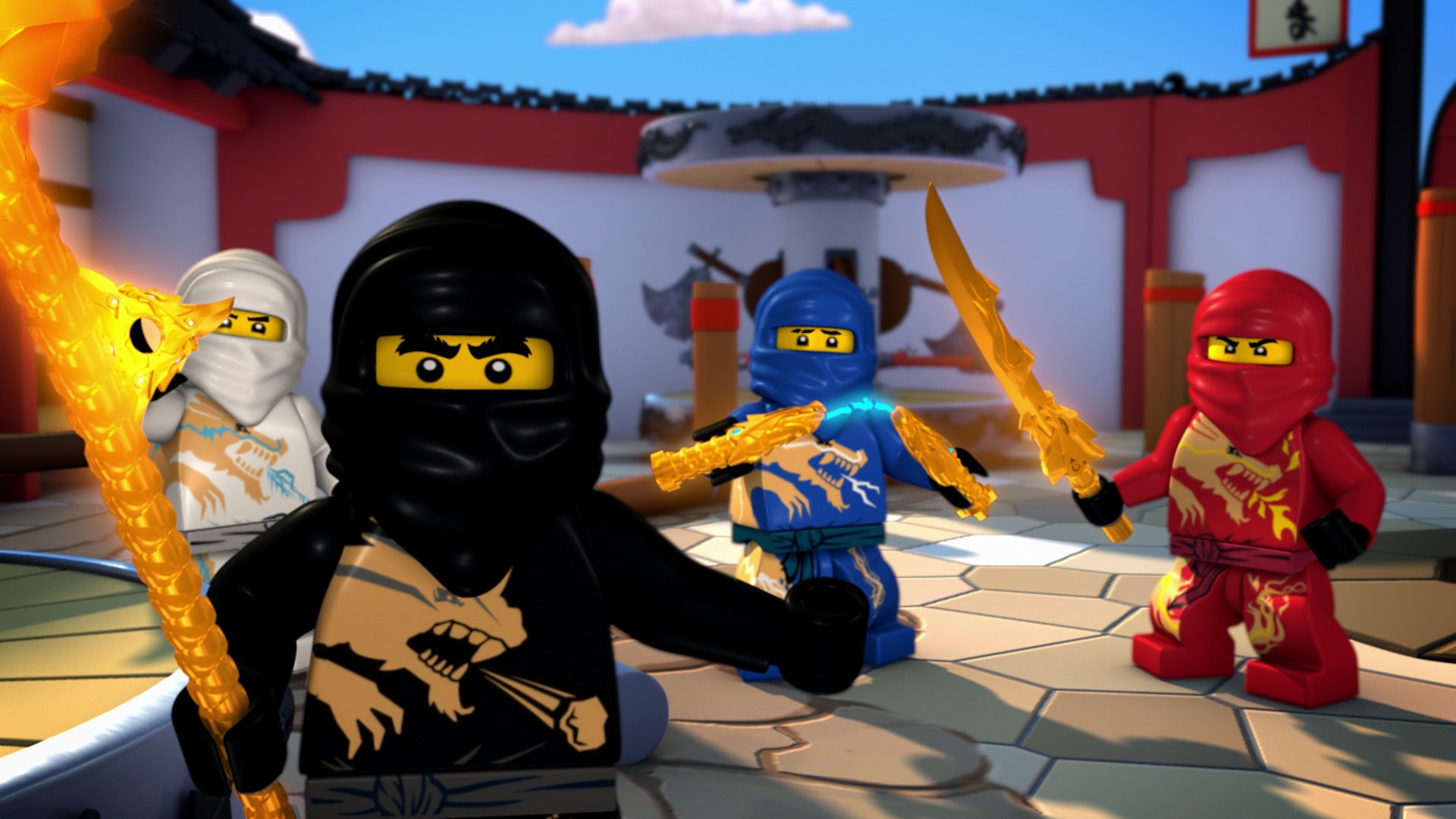
Honestly, if you told me back in 2011 that a show about plastic ninjas fighting skeleton armies would become a decade-spanning epic, I’d have probably laughed. It felt like a toy commercial. Pure and simple. But then something weird happened. The episodes of LEGO Ninjago started getting... good. Like, actually good. We’re talking character arcs that rival prestige TV and a lore bible that’s more tangled than a bowl of Zane’s favorite noodles.
Most people think of it as just a kids' show. They're wrong.
The staying power of this series doesn't come from the sets—though those help—it comes from the way the writers treated the audience like they had a brain. You’ve got grief, identity crises, and a villain-to-hero redemption arc in Garmadon that is legitimately one of the best in modern animation. It’s a lot to take in.
The Pilot Season: Where the Magic Started
The beginning was humble. Four episodes. That’s it. We met Kai, Jay, Cole, and Zane. They were archetypes back then. Kai was the hothead, Jay was the comic relief, Cole was the rock, and Zane was... well, "weird." Looking back at those early episodes of LEGO Ninjago, the animation is a bit clunky compared to the 2026 standards of Dragons Rising, but the heart was there.
Master Wu wasn’t just a mentor; he was a guy with a lot of secrets. Those secrets are what drove the plot for the next fifteen years. The "Way of the Ninja" wasn't just about spinning around in a tornado of fire or ice. It was about balance.
If you rewatch "Way of the Ninja" or "King of Shadows," you see the seeds of everything. The Underworld felt dangerous. Samukai was a legitimate threat. But more importantly, the dynamic between the brothers was established. They bickered. They failed. They weren't perfect. That’s why we liked them.
Why the Green Ninja Arc Changed Everything
Season 1, Rise of the Snakes, is where the show found its footing. Introducing Lloyd Garmadon was a massive gamble. He was an annoying kid in a hoody. Nobody liked him at first. But the revelation that he was the prophesied Green Ninja? That was a "Luke, I am your father" moment for an entire generation of kids.
It shifted the stakes.
Suddenly, it wasn't just about four guys fighting snakes. It was about a boy who had to grow up too fast to fight his own father. The episode "The Green Ninja" is still a masterclass in tension. When the four golden weapons react to Lloyd, the look on Kai's face—the realization that it wasn't him—is some of the most human writing in the series.
The Zane Revelation and the Shift to Sci-Fi
If you ask any long-term fan which episode broke them, they’ll say "Tick Tock." Season 1, Episode 7.
Zane finds a hatch in his chest. He’s a Nindroid.
At the time, this was a massive twist. It changed Zane from the "socially awkward brother" to a character questioning the very nature of his soul. It’s deep stuff for a show intended to sell plastic bricks. The music by Jay Vincent and Michael Kramer in that scene is haunting. It grounded the show in a sense of melancholy that it never really lost.
Then came Season 3, Rebooted.
The show went full Cyberpunk. We had the Digiverse, the Overlord as a digital virus, and the introduction of P.I.X.A.L. This season was controversial because it felt so different from the fantasy roots, but it proved the episodes of LEGO Ninjago could adapt to any genre. You want a jungle tournament? Season 4. A ghost story? Season 5. A steampunk pirate adventure? Season 6.
The Peak: Tournament of Elements
Ask a group of Ninjago fans to rank the seasons, and Tournament of Elements (Season 4) is almost always in the top three. It expanded the world. We found out there were other elemental masters. Gravity, Metal, Form, Smoke—it turned Ninjago from a small island story into a global mythology.
The writing here was tight. The mystery of what Master Chen was doing with the noodles and the "losing" contestants kept people hooked. It also gave us Garmadon’s ultimate sacrifice. Seeing him choose to be banished to the Cursed Realm to save his son... man, it still stings.
The Oni and Dragon Trilogy: A Darker Turn
Somewhere around Season 8 (Sons of Garmadon), the show underwent a massive visual overhaul to match the LEGO Ninjago Movie designs. Fans were nervous. Change is scary. But Season 8, 9, and 10—often called the Oni and Dragon trilogy—are arguably the peak of the series' storytelling.
The tone shifted. It got darker. Harumi is perhaps the most complex villain the show ever produced because her motivation was rooted in the collateral damage caused by the ninja themselves during the Great Devourer's attack.
- Sons of Garmadon: A gritty, motorcycle-gang-themed mystery.
- Hunted: A split narrative where half the team is stranded in a wasteland.
- March of the Oni: A four-episode finale that felt like an endgame.
The animation by WildBrain (taking over from Wil Film) brought a cinematic fluidity to the fight scenes. The episode "Big Trouble, Little Ninjago" shows a scale of destruction we hadn't seen before. The ninja actually lost. They were broken. It made their eventual comeback feel earned rather than inevitable.
The Transition to Dragons Rising
By the time we hit Crystalized, the show felt like it was concluding. It brought back every major villain. It was a victory lap. But LEGO wasn't done.
Ninjago: Dragons Rising isn't just a sequel; it’s a soft reboot that actually respects what came before. The "Merge" was a brilliant narrative device to reset the world without erasing the history. Introducing Arin and Sora allowed new viewers to jump in, while the return of the "old" ninja (now as mentors) kept the veterans around.
The episodes of LEGO Ninjago in this new era feel faster. They’re punchier. But they still focus on that core theme: family isn't just who you're born with; it's who you fight alongside.
The Misconception of "Filler"
People complain about filler. "The Royal Dinner" or some of the shorter 11-minute episodes in the later seasons get flak. But honestly? Those episodes are where the character work happens. You see Jay’s anxiety. You see Cole’s love for his dad. You see the ninja just being people.
Without the "filler," the big moments don't land. You need the quiet episodes so the loud ones matter.
How to Watch the Best Episodes
If you’re trying to catch up or just want to see why people are still talking about this in 2026, don’t just watch the premieres. Look for the turning points.
- "The Green Ninja" (Season 1): The emotional core of the series.
- "Tick Tock" (Season 1): The first time the show got "deep."
- "The Corridor of Elders" (Season 4): Pure epic scale.
- "The Way Back" (Season 6): A heartbreaking finale that (mostly) got erased, but still matters.
- "Dread on Arrival" (Season 9): High-stakes survival at its best.
- "The Merge" (Dragons Rising): A fresh start that feels earned.
The show has lasted this long because it grew up with its audience. The kids who watched the pilots in 2011 are now adults, and the show shifted its complexity to keep pace. It’s a rare feat in animation.
Actionable Insights for Fans and Collectors
To truly appreciate the evolution of the series, watch the episodes in their original broadcast order rather than jumping around. The narrative tissue between seasons is surprisingly strong. If you’re a collector, prioritize the "Legacy" sets that recreate moments from the early episodes of LEGO Ninjago, as these often include "Gold" anniversary minifigures that hold significant value. For the most immersive experience, pay attention to the musical motifs—the "Weekend Whip" by The Fold changes style every season to match the theme, serving as a clever audio-visual timestamp for the show's history. Finally, keep an eye on the Dragons Rising shorts on YouTube, as they often bridge small plot holes that the main episodes don't have time to cover.