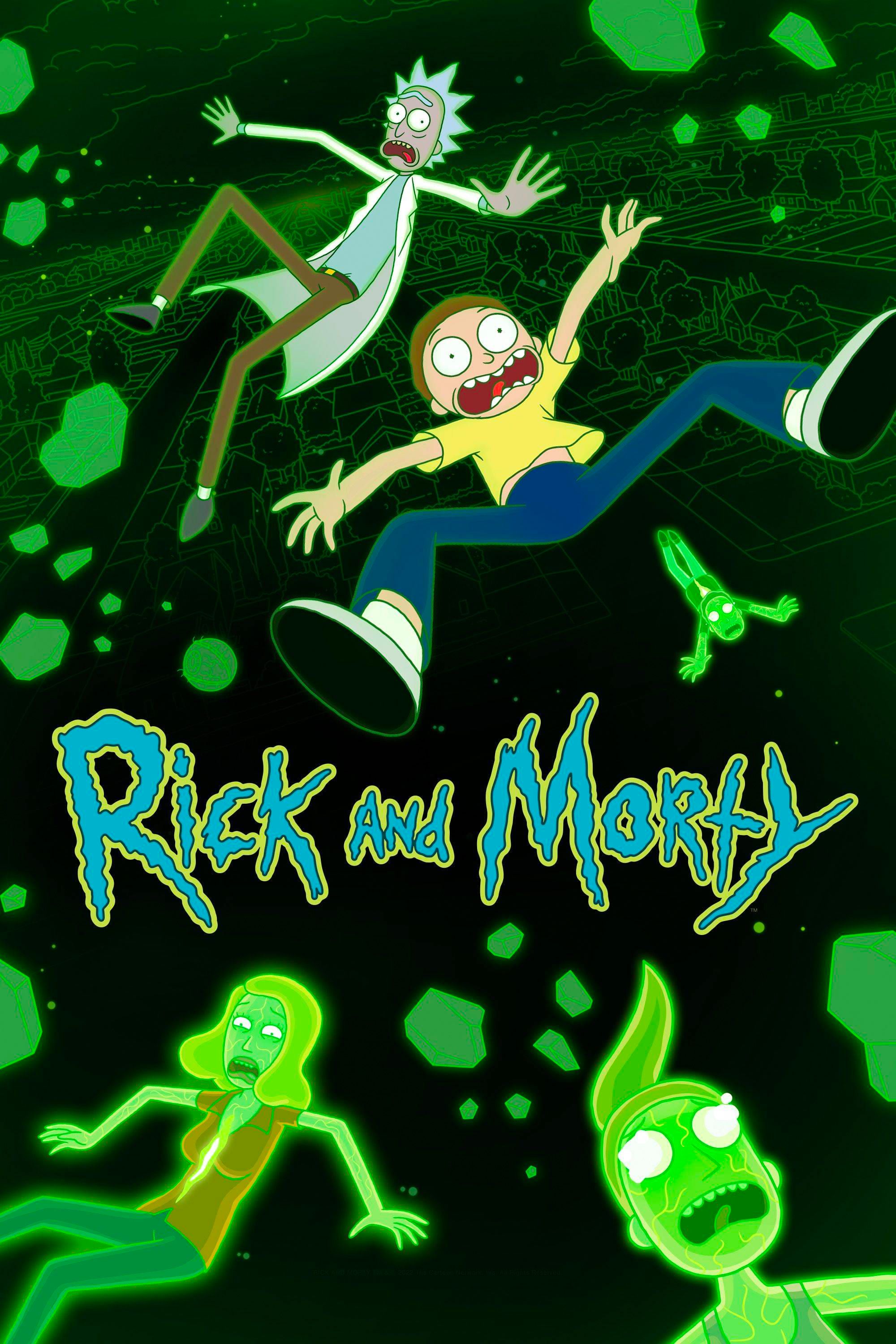
Adult Swim wasn't ready. Fans definitely weren't ready. When Rick and Morty Season 3 finally dropped after that grueling eighteen-month wait—which felt like a lifetime in internet years—it didn't just return; it broke the internet on April Fool's Day. Everyone thought the livestream was a prank. It wasn't. We got "The Rickshank Rickdemption," and suddenly, the whimsical sci-fi adventure we knew morphed into something way more cynical, nihilistic, and, honestly, brilliant.
It changed everything.
Before this installment, Rick was a jerk, sure, but he was a fun jerk. Season 3 took that mask off. It forced us to look at the wreckage of the Smith family. It’s the year the show moved from cult hit to a global phenomenon, fueled by McDonald’s sauce riots and a sudden, sharp interest in the psychological trauma of a cartoon teenager.
The Szechuan Sauce Chaos and the Rise of Rick and Morty Season 3
You remember the sauce. It’s impossible to talk about Rick and Morty Season 3 without mentioning the 1998 Mulan Szechuan McNugget sauce. What started as a throwaway joke about Rick’s singular motivation became a real-world nightmare for McDonald’s employees. People were jumping on counters. It was weird. It was honestly a bit embarrassing for the fandom, but it proved one thing: the show had massive influence.
The writing team, led by Dan Harmon and Justin Roiland, leaned into the "Rick is a god" narrative just to tear it down. Episode one shows Rick dismantling the Galactic Federation and the Council of Ricks in twenty minutes. He wins. But the victory is hollow. He gets rid of Jerry, yet he loses the moral high ground with his family. Beth is a mess. Summer is huffing enamel. Morty is becoming a jaded shell of a human being.
This season didn't care about your comfort.
While previous years had high-concept sci-fi, this one felt like a therapy session gone wrong. We saw the introduction of "Pickle Rick." On the surface, it’s a goofy meme. Everyone bought the t-shirts. But if you actually watch the episode—written by Jessica Gao—it’s a brutal takedown of Rick’s avoidance of emotional accountability. Dr. Wong’s monologue at the end is probably the most sober moment in the entire series. She calls Rick out for using his genius as an excuse to be bored by the work of being a person. It’s stinging.
Why the Writing Shifted Toward Character Deconstruction
The production of this season was notoriously difficult. Harmon famously struggled with the scripts, wanting to make every single beat perfect. They hired more women for the writing room, including Gao and Sarah Carbiener, which brought a much-needed perspective to Beth and Summer.
Look at "The Whirly Dirly Conspiracy." We finally see Rick and Jerry forced into a situation together. It’s pathetic. It’s hilarious. But it also reveals that Rick’s hatred for Jerry stems from a deep-seated insecurity about Beth’s agency.
Then there is "The Ricklantis Mixup," also known as "Tales from the Citadel."
This is arguably the best episode of the series. It doesn't even follow "our" Rick and Morty. Instead, it’s a political thriller set in a city of infinite versions of the same two people. It tackles police brutality, class warfare, and the rise of a dictator. When Evil Morty takes power at the end to the tune of "For the Damaged Coda," it felt like the show had finally grown up. It wasn't just about burp jokes anymore. It was about the inevitability of corruption.
Breaking Down the Darkest Moments
Let's get specific about the trauma.
- Morty’s Mind Blowers: This was their version of "Interdimensional Cable," but instead of funny commercials, it was a collection of memories so horrific Rick had to erase them from Morty’s brain. It showed us that Rick isn't just a bad influence; he’s a cognitive abuser.
- Rest and Relaxation: We see what happens when Rick and Morty "toxify" themselves. Rick’s "healthy" version still thinks he’s a god, but his "toxic" version is the one that actually loves Morty. That’s a heavy realization. It suggests that Rick’s attachment to his grandson is, in his own mind, a weakness or a sickness.
- The ABCs of Beth: We find out Beth was a sociopathic child who asked her dad to make her "invisible finger-paints" and "parent-proof urban sneakers." It explains so much about why she stays with Rick. She’s just like him.
The season finale, "The Rickchurian Mortydate," felt a bit polarizing for some. After the high stakes of the Citadel, a petty fight between Rick and the President of the United States felt small. But that was the point. Rick is a god-like being who spends his time arguing over a selfie. It’s the ultimate expression of his nihilism. By the end of the half-hour, the family reunites, Jerry is back, and Rick has lost his status as the patriarch. He’s the lowest member of the house.
What Season 3 Taught Us About Binge Culture
This was the first season where the "wait" became part of the story. The creators were under immense pressure. When you have a hit that big, the sophomore slump is scary, but the junior-year pivot is where shows either cement their legacy or fade away. Rick and Morty Season 3 cemented it.
It taught us that fans want more than just jokes. They want a "canon." Even though Harmon often resists serialized storytelling, the audience demanded it. They wanted to know about the Galactic Federation. They wanted to know if Beth was a clone. That "Clone Beth" theory started right here and fueled years of Reddit debates.
Actionable Insights for Fans and Creators
If you're looking back at this era of television, or if you're a writer trying to understand why this specific season hit so hard, there are a few things to take away.
First, don't be afraid to break your protagonist. Rick was at his most unlikable in Season 3, and yet the ratings were higher than ever. Audiences respond to honesty, even if that's "honesty" coming from a blue-haired scientist who turns himself into a pickle.
Second, the "B-plot" matters. This was the season where Summer Smith became a top-tier character. Her nihilism matches Rick's, but she handles it with the coolness of a teenager who has already seen the end of the world.
If you are revisiting the show, watch "The Ricklantis Mixup" and "Pickle Rick" back-to-back. It’s the perfect microcosm of what the show is: one part high-concept political satire, one part deeply personal character study.
To truly understand the impact, look at how the show influenced the "Adult Animation" boom that followed. Without the success of this season's dark tone, we might not have seen the same level of creative risks in other network shows. It proved that you can be cynical and popular at the same time, provided the writing is sharp enough to back it up.
Move past the memes and the sauce. Look at the scripts. That’s where the real genius of the third season lives. It wasn't just a cartoon; it was a deconstruction of the "invincible hero" trope that we’re still feeling the effects of today. If you're analyzing the series' trajectory, this is the definitive turning point where the stakes became real.