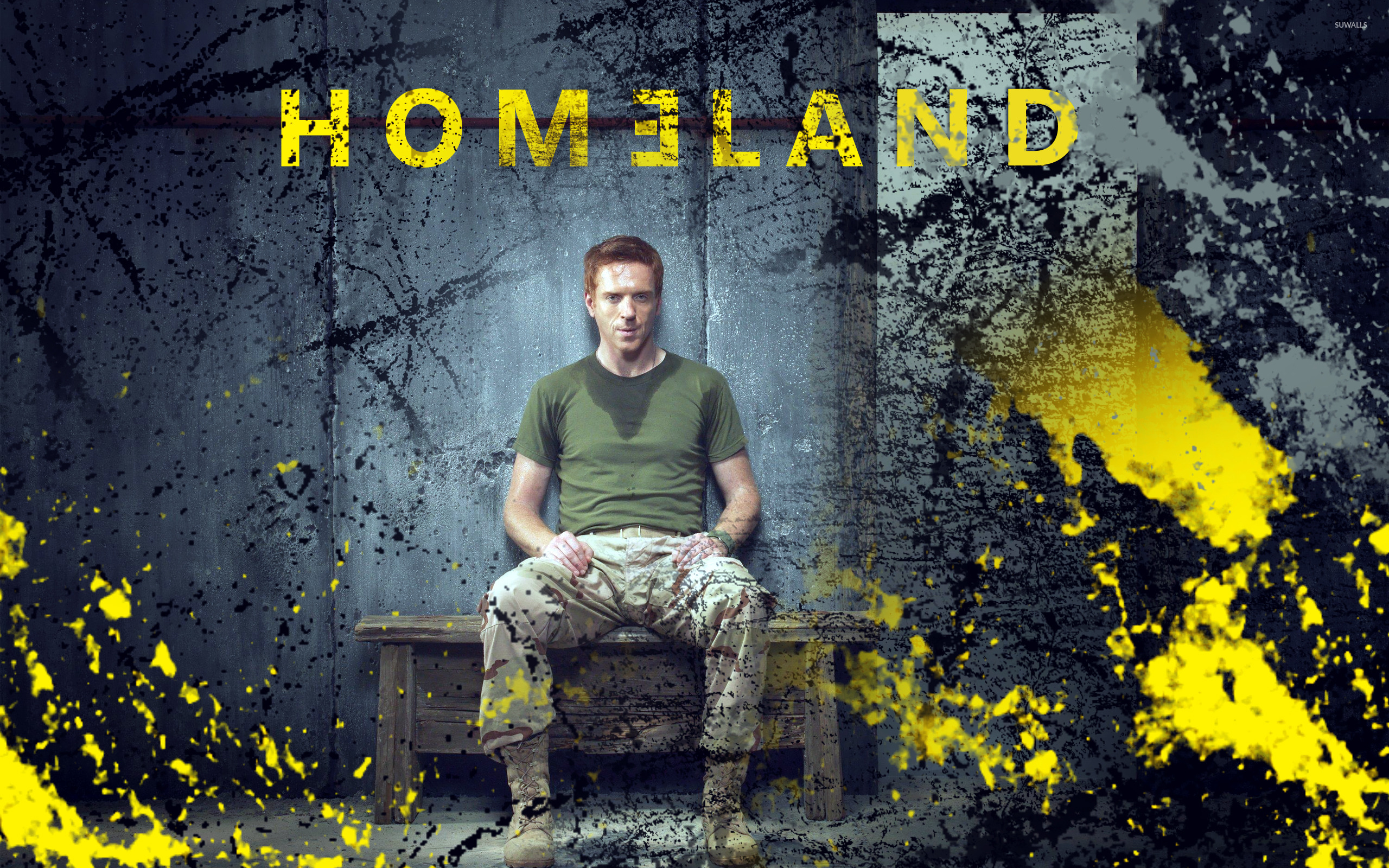
People remember the vest. They remember the bunker in the garage and Carrie Mathison’s frantic wall of color-coded yarn. But if you really look back at the early seasons of Homeland, the most gut-wrenching stuff wasn't happening in a CIA safehouse. It was happening in a suburban bedroom between Nicholas Brody and Jessica.
Television usually handles the "soldier returns from the dead" trope with a lot of sweeping orchestral music and tearful airport reunions. Homeland did the opposite. It showed us the skin-crawling reality of trying to have sex with a ghost. It showed us what happens when a woman has spent eight years mourning a man, finally moves on with his best friend, and then suddenly has to "un-grieve" because a SEAL team found a hole in the ground in Afghanistan. It was messy. Honestly, it was hard to watch.
The Impossible Return of Nicholas Brody and Jessica
When Nicholas Brody came home, Jessica was essentially a different person. She had raised two kids, Dana and Chris, as a single mother. She had found a steady, comforting love with Mike Faber. Then the cameras showed up.
The dynamic between Nicholas Brody and Jessica was doomed from the second he stepped off that plane. Why? Because the Brody who left for Iraq wasn't the man who came back. Jessica was looking for her high school sweetheart, but she got a traumatized shell of a human who was secretly a turned asset for Abu Nazir.
The showrunners, Howard Gordon and Alex Gansa, didn't shy away from the physical awkwardness. Remember that first night? The silence? The way Jessica tried to touch him and he flinched? It wasn't just PTSD. It was the fact that they were strangers who happened to share a mortgage and a last name. Jessica’s attempt to play the "supportive military wife" felt like a performance because it had to be. She was terrified of him. And honestly, she should have been.
Mike Faber: The Elephant in the Room
We have to talk about Mike.
In most shows, the guy who sleeps with the "widow" is the villain. But in Homeland, Mike was actually a decent guy. He stepped up. He loved Jessica. He was a father figure to those kids when Brody was a memory. When Nicholas Brody and Jessica tried to rekindle their marriage, Mike was always there in the periphery.
It created this suffocating domestic tension. You had Jessica trying to force herself to love a man who was clearly broken (and lying to her), while the man she actually loved was standing five feet away. It’s a miracle she didn't have a total breakdown in Season 1. She was the one holding the family together while Nicholas was busy praying in the garage and planning a suicide mission.
Why Their Marriage Failed (And It Wasn't Just the Terrorism)
Look, being a double agent is a pretty big "irreconcilable difference." But even if Brody hadn't been working for the bad guys, that marriage was toast.
The gap between their experiences was too wide. Jessica represented a life that no longer existed for Brody. She was PTA meetings, wine with dinner, and suburban normalcy. Brody had spent nearly a decade in a dark room being beaten and brainwashed. When we see Nicholas Brody and Jessica interact, there’s a fundamental lack of communication. He couldn't tell her the truth, and she couldn't handle the truth even if he had told her.
The Breaking Point in Season 2
By the time Season 2 rolled around, the cracks weren't just cracks anymore; they were canyons.
The scene where Jessica finds the Quran? Or when she realizes he’s still lying about where he goes at 3:00 AM? That’s where the "entertainment" part of the show hits the reality of a failing relationship. Morena Baccarin played Jessica with this incredible, vibrating anxiety. You could see her trying to find the man she used to know, but finding only shadows.
A lot of fans hated the "family" subplots. They wanted more Carrie and Saul. They wanted more drones and explosions. But the Nicholas Brody and Jessica storyline was necessary. It grounded the high-stakes espionage in something human. It showed the collateral damage of war. When Brody finally tells her he's working for the CIA (partially true) and she says, "I don't care, I just can't do this anymore," it was the most honest moment in the series.
The Legacy of the Brody Household
Eventually, the show moved on. Brody died in a public hanging in Tehran, and Jessica—thankfully—was written out of the show to live a life away from the madness.
But we shouldn't forget what that dynamic did for prestige TV. It challenged the idea of the "loyal wife." Jessica wasn't a saint. She was frustrated. She was lonely. She was angry. She wanted her old life back, and she eventually realized that Nicholas Brody was a ghost that was haunting her house.
Reality Check: The Trauma of Re-entry
Psychologists often point to Homeland as an extreme but fascinating look at "ambiguous loss." This is when a loved one is physically present but psychologically absent. Nicholas Brody and Jessica are the poster children for this.
For real-world military families, the "re-entry" phase is often the hardest part of a deployment. While most don't involve secret terrorist plots, the feeling of "who is this person in my kitchen?" is very real. Homeland took that domestic fear and dialed it up to an eleven.
What You Can Learn from the Brody-Jessica Dynamic
If you're re-watching the show or just analyzing the writing, there are a few key takeaways about how they handled this relationship:
- Honesty is the only foundation: Once Brody started lying about his faith and his whereabouts, the marriage was dead. Communication isn't just a buzzword; it's the literal glue of a relationship.
- You can't go back: Jessica tried to recreate 2003 in 2011. It doesn't work. People change, and trauma changes them faster.
- The kids see everything: Dana Brody was the first one to realize her father was "off." In any crumbling marriage, the children are the most sensitive barometers of the truth.
- Forgiveness has limits: Jessica tried. She really did. But eventually, you have to choose your own sanity over someone else's chaos.
To truly understand the tragedy of Homeland, you have to look past the CIA headquarters. Look at the dinner table. Look at the way Nicholas Brody and Jessica looked at each other in the mirror—two people who wanted to be in love but had no idea how to bridge the gap that eight years of war had created.
If you're looking for more deep dives into character arcs, your next step is to re-examine the Season 2 episode "New Car Smell." It's the peak of their marital tension and perfectly illustrates the moment the "home" in Homeland finally broke for good. Pay close attention to the body language in the bedroom scenes; it says more than the dialogue ever could.