Nostalgia is a tricky thing. It usually tastes like cheap candy—sweet at first, then sort of hollow. But The Wonder Years was different. It didn’t just look back at the late sixties through a lens of golden-hour filters and peace signs. It looked back with a bit of a bruise.
If you grew up watching Kevin Arnold navigate the minefield of junior high, you probably remember that specific feeling of your stomach dropping when Winnie Cooper looked at someone else. That wasn't just TV magic. It was a tonal shift in how networks handled coming-of-age stories. Before this, we had sitcoms where problems were solved in twenty-two minutes with a laugh track. Then, in 1988, Neal Marlens and Carol Black gave us a show that felt more like a memory than a broadcast.
The Suburban Myth and Kevin Arnold
Suburbia in the 1960s is often portrayed as this sterile, cookie-cutter dream. The Wonder Years stripped that back. It showed the suburban sprawl as a place of quiet desperation and intense, localized drama. For Kevin, a walk to the bus stop could feel like an odyssey.
Fred Savage was cast because he had this incredible ability to look like he was thinking a thousand things while saying nothing. He was twelve. Think about that. Most twelve-year-olds can barely find their shoes, but Savage was carrying a primetime dramedy on his shoulders. The show’s brilliance relied on the juxtaposition between Kevin’s wide-eyed innocence and the weary, cynical, yet deeply empathetic narration by Daniel Stern. Stern was the voice of the older Kevin. He provided the context that a child couldn't possibly have. He knew that the fight Kevin had with his dad, Jack, wasn't actually about the broken window. It was about the Vietnam War, the changing economy, and the slow realization that the world was moving faster than Jack Arnold could keep up with.
It's actually pretty wild how much the show got away with. It was technically a comedy, but it dealt with death, infidelity, and the crushing weight of the middle class. Dan Lauria played Jack Arnold with a permanent scowl that hid a well of exhaustion. He wasn't the "Father Knows Best" type. He was a guy who worked a job he hated to provide for a family that didn't always understand him. Honestly, as an adult, Jack is the most relatable character in the entire series.
Why the Music Mattered More Than You Think
You can't talk about The Wonder Years without talking about Joe Cocker. That raspy, soulful cover of "With a Little Help from My Friends" set the tone immediately. It wasn't the clean, upbeat Beatles version. It was gritty. It was messy.
The show spent a fortune on music licensing. We're talking Bob Dylan, Carole King, The Monkees, and Joni Mitchell. In the late eighties, this was unheard of for a weekly series. It’s actually the reason the show took so long to come to DVD. The rights were a legal nightmare. For years, if you watched reruns on certain networks, the original songs were replaced with generic instrumental tracks. It ruined the vibe. When you take "In-A-Gadda-Da-Vida" out of a scene where Paul Pfeiffer is trying to be cool, the scene loses its soul.
Music functioned as a secondary narrator. It captured the zeitgeist of 1968 to 1973 in a way that dialogue couldn't. When Kevin and Winnie finally shared that first kiss in the pilot episode while Percy Sledge’s "When a Man Loves a Woman" played, it wasn't just a TV moment. It was a cultural touchstone. It felt earned.
The Winnie Cooper Effect
Danica McKellar wasn't even supposed to be a series regular. She was originally hired for a one-off role in the pilot. But the chemistry between her and Fred Savage was so undeniable that the writers had to pivot.
Winnie Cooper became the archetype for the "girl next door," but she was more complex than the trope suggests. She dealt with the death of her brother, Brian, in the very first episode. That’s heavy stuff for a show that followed Growing Pains. Winnie wasn't just a love interest; she was Kevin’s connection to the changing world. Their relationship was "kinda" erratic, moving from childhood best friends to awkward teenagers to distant acquaintances. It felt real because it didn't always have a happy ending.
- The Pilot: Set against the backdrop of the Vietnam War.
- The Breakups: Numerous, painful, and usually caused by Kevin’s insecurity.
- The Finale: A bittersweet realization that life doesn't always go according to the plan we made at thirteen.
The 2021 Reboot: A Different Lens
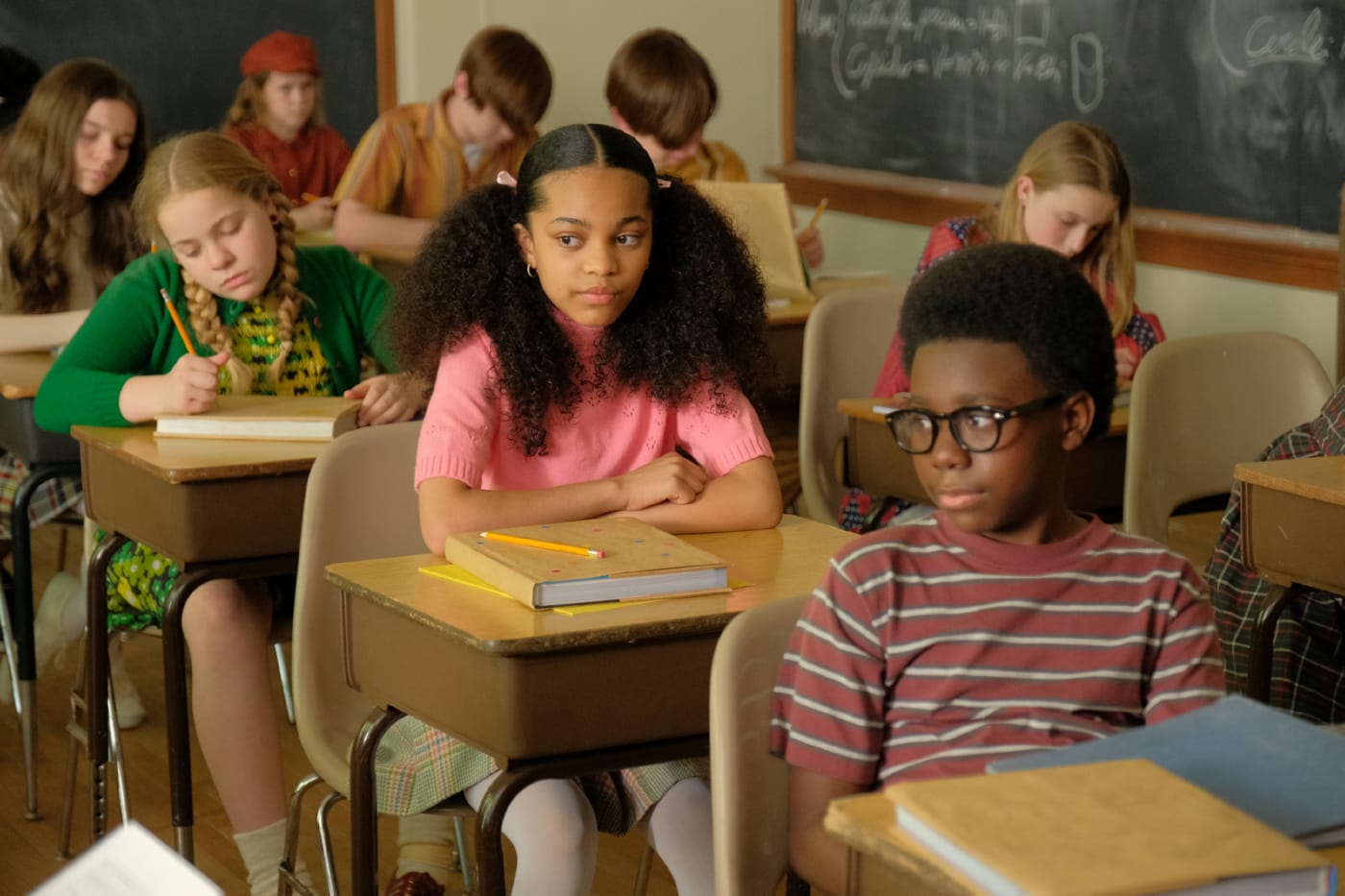
A few years ago, we got a new version of The Wonder Years starring Elisha "EJ" Williams and narrated by Don Cheadle. This time, the story shifted to a Black family in Montgomery, Alabama, during the same era.
Some people were skeptical. They thought it was just another "woke" reboot. But if you actually sit down and watch it, the show honors the original's DNA while telling a story that was largely ignored in the first run. The 1960s looked very different for a Black family in the South. While the original Kevin Arnold was worried about gym class, the new Kevin, Dean Williams, was navigating the Civil Rights Movement alongside his adolescent angst.
It worked because it didn't try to be a carbon copy. It used the same narrative device—an older, wiser voice looking back—to examine a specific moment in American history through a specific perspective. Saladin K. Patterson, the showrunner, made sure the stakes felt high. It wasn't just about nostalgia; it was about survival and joy in the face of systemic pressure.
What Everyone Gets Wrong About the Finale
People still complain about the ending of the original series. They wanted Kevin and Winnie to end up together. They wanted the white picket fence and the "happily ever after."
But that would have betrayed the entire point of the show.
The final monologue is one of the most honest pieces of writing in television history. Older Kevin tells us that things didn't work out the way he thought they would. His dad passed away. Winnie went to Paris. They didn't get married. Life happened.
"Growing up happens in a heartbeat," he says. "One day you're in diapers, next day you're gone. But the memories of childhood stay with you for the long haul."
That’s the gut punch. The show wasn't a romance; it was an autopsy of childhood. It was about the realization that the "wonder years" aren't wonderful because they were perfect. They were wonderful because they were the last time things felt simple, even when they were actually quite complicated.
Technical Mastery Behind the Camera
The show looked different from its peers. It used a single-camera setup, which was rare for sitcoms at the time. Most shows used three cameras and a live audience, which creates a very "staged" feel. By using a single camera, the directors could use cinematic lighting and close-ups that made the audience feel like they were eavesdropping on private moments.
The pacing was also unique. It allowed for silence. You’d have these long shots of Kevin just sitting on his bed, staring at the wall, while the narrator filled in the emotional gaps. It gave the show a literary quality. It felt like reading a memoir.
Key Cast and Crew Contributions
- Fred Savage: Youngest person ever nominated for an Emmy as Lead Actor.
- Josh Saviano: Played Paul Pfeiffer. No, he is not Marilyn Manson. That’s an urban legend that started in the early internet days and just won't die.
- Alley Mills: Played Norma Arnold. She provided the warmth that balanced Jack’s stoicism.
- Neal Marlens & Carol Black: Created the show based on their own experiences growing up in the suburbs.
How to Revisit the Series Today
If you’re looking to dive back in, don't just binge-watch it as background noise. It’s too dense for that.
First off, make sure you’re watching the version with the original soundtrack. It matters. Most major streaming platforms have finally cleared the rights, but it’s worth double-checking.
Pay attention to the background details. Look at the news reports playing on the TV in the living room. Look at the way the fashion shifts from the late sixties to the early seventies—the sideburns get longer, the collars get wider, and the optimism of the "Summer of Love" slowly curdles into the cynicism of the Watergate era.
The show is a masterclass in "show, don't tell." We see Kevin’s brother, Wayne (played with perfect "big brother" jerkiness by Jason Hervey), slowly mature. We see the family dynamic shift as the kids grow up and the parents age. It’s a slow burn.
The Wonder Years succeeded because it wasn't afraid to be small. It understood that to a twelve-year-old, a bad grade or a missed phone call is the end of the world. By treating those small moments with the same gravity as the moon landing or the Vietnam War, it captured the actual experience of being human.
Basically, it told the truth. And that's why we're still talking about it.
Actionable Ways to Appreciate the Series
- Watch the Pilot and the Finale Back-to-Back: It highlights the incredible character growth and the consistent thematic arc of the show.
- Listen to the Soundtrack Independently: Curate a playlist of the songs used in the first three seasons. It’s essentially a "Greatest Hits" of the era’s most impactful music.
- Compare the 1988 and 2021 Versions: Watch the first three episodes of both. It’s a fascinating exercise in how the same "coming of age" beats can feel entirely different depending on the cultural context of the characters.
- Research the Historical Context: Pick an episode that mentions a specific event (like the Apollo 11 mission) and look up what was happening in the real world that week. The show was meticulous about its timeline.