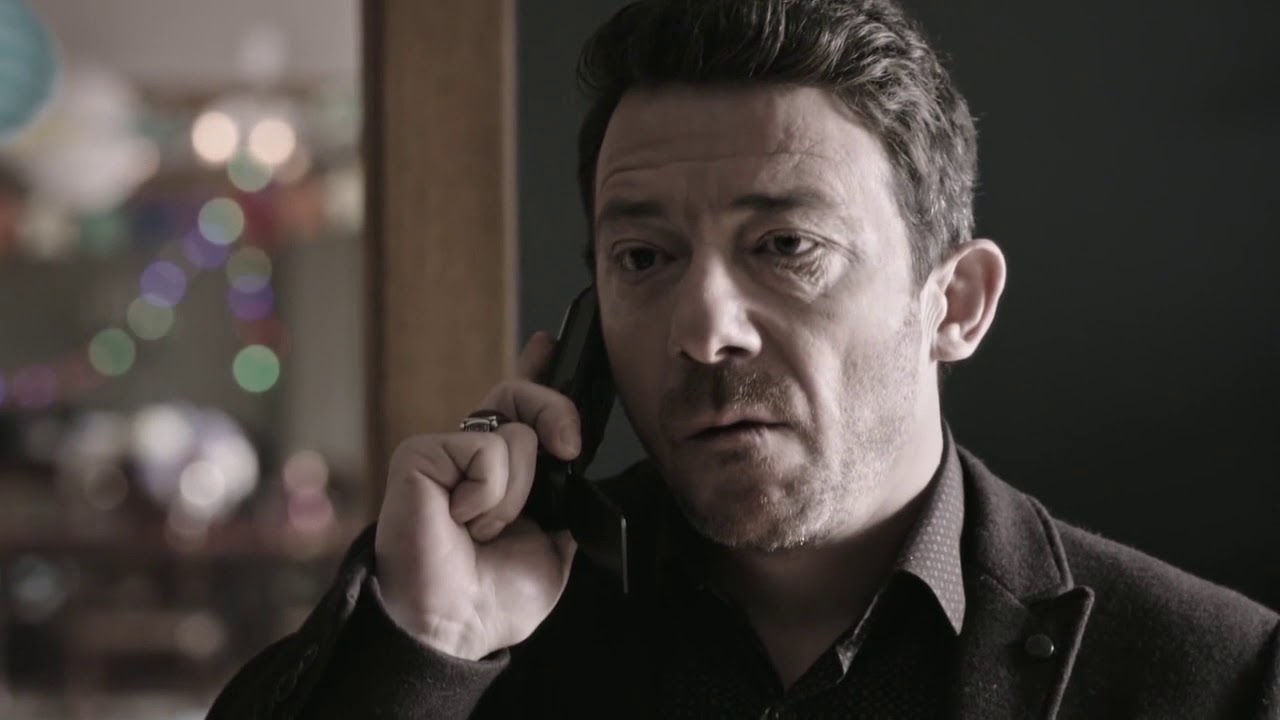
If you’ve ever fallen down the rabbit hole of Turkish dizi, you know the vibe. It starts with one clip on social media and ends with you at 3:00 AM wondering how a single family can have that many secrets without someone exploding. Kış Güneşi, known to international fans as the Winter Sun Turkish TV series, is a textbook example of this obsession. It isn't just about pretty people in Istanbul mansions—though, let’s be honest, that’s a big part of the draw. It’s actually a Shakespearean mess of identity theft, revenge, and a brotherly bond that gets shredded in the first twenty minutes.
Most people come for Şükrü Özyıldız. Can you blame them? He plays twins, Efe and Mete, which basically gives the audience double the broodiness for the price of one. But if you dig into why this show still trends on streaming platforms years after its 2016 debut on Show TV, it’s because it leans hard into the "lost heir" trope while actually making you care about the collateral damage.
The Plot That Keeps You Stressing
Basically, the story kicks off with a massive trauma. Little Efe witnesses his father’s murder and then gets separated from his twin brother, Mete. Everyone thinks Efe is dead. He isn't. He grows up as a fisherman, totally oblivious to his wealthy roots, until fate—or a very persistent scriptwriter—brings the brothers back together as adults.
Then it gets dark.
Mete is killed in a case of mistaken identity meant for Efe. To find the killers and get justice, Efe has to step into Mete’s life. He has to pretend to be his own dead brother. This means living with a mother who doesn't know he's her "dead" son and, most awkwardly, dealing with Mete's wife, Nisan.
It’s a lot. Honestly, the pacing in the first few episodes is breathless. You’ve got the corporate espionage of the Haran family business clashing with the gritty, salt-of-the-earth life Efe left behind. It’s that classic "Prince and the Pauper" switcheroo but with way more guns and tailored suits.
Why Şükrü Özyıldız Carried the Show
Playing twins is a gamble. If the actor doesn't nail the subtle body language shifts, the whole thing feels like a high school play. Şükrü Özyıldız actually pulled it off. As Mete, he was tightly wound, polished, and clearly miserable in his corporate cage. As Efe, he had this rugged, impulsive energy that felt genuine.
When Efe takes over Mete’s life, you see the struggle in his eyes. He’s a guy who knows how to gut a fish but now has to navigate boardrooms and black-tie dinners. The chemistry between him and Aslı Enver (who plays Nisan) is the slow-burn engine of the series. Enver is a powerhouse in the Turkish industry—you might know her from İstanbullu Gelin—and she brings a grounded, grieving dignity to Nisan that keeps the show from veering into pure melodrama.
The "Dizi" Effect: Production Value and Atmosphere
The Winter Sun Turkish TV series benefited from high production standards at a time when the industry was truly beginning to explode globally. Produced by Endemol Shine Turkey, it had a cinematic quality that felt different from the soapier daytime dramas.
- The Cinematography: Istanbul is a character itself. You see the contrast between the gleaming skyscrapers of Levent and the misty, cold docks where Efe grew up.
- The Soundtrack: Turkish dramas live or die by their music. The score by Aytekin Ataş is haunting. It uses those heavy strings to remind you that even when a character is smiling, a betrayal is probably happening in the next room.
- The Fashion: Let’s be real. The costume design for the Haran family was impeccable. If you want a masterclass in Turkish "quiet luxury" before that was even a buzzword, watch Mete’s wardrobe.
Addressing the Elephant in the Room: The Ending
Look, we have to talk about it. Turkish series are notorious for being canceled if the local ratings (the "RTÜK" numbers) dip even slightly. Kış Güneşi didn't run for five seasons. It was a relatively short burn compared to marathons like Kara Sevda.
Some fans felt the ending was rushed. There’s a certain frustration when a complex web of lies gets untangled in the final two episodes because the network pulled the plug. However, there’s a silver lining here. Because it’s shorter (18 episodes in the original Turkish format, though split into more for international Netflix/streaming versions), it avoids the "filler" episodes that plague longer series. There are no three-hour wedding sequences where nothing happens. Every scene pushes the revenge plot forward.
What Most People Get Wrong About Winter Sun
A common misconception is that this is just another romance. It’s not. At its core, it’s a psychological thriller about the loss of self. Efe spends so much time pretending to be Mete that he starts to lose the fisherman who liked the simple life.
It also explores the toxicity of the elite. The villains in the show aren't just mustache-twirling bad guys; they are family members driven by a desperate need to maintain status. The betrayal isn't just business—it's personal. It’s blood.
How to Watch It Today
If you are looking to dive in, you’ll likely find it under the title Winter Sun on various international platforms.
- Check Local Streaming: Depending on your region, it frequently cycles through Netflix or specialized Turkish content apps like Dizilah or PuhuTV.
- Subtitles vs. Dubbing: Always go for subtitles. The original performances by Özyıldız and Enver rely heavily on vocal inflection that dubbing usually kills.
- Episode Counts: Don't be confused. In Turkey, an episode is 120+ minutes. For the rest of the world, these are usually chopped into 45-minute chunks. If you see "Episode 50," it’s just the international edit.
Actionable Steps for New Viewers
If you're ready to start the Winter Sun Turkish TV series, do yourself a favor and pay attention to the secondary characters, specifically Kadim. He’s the "fixer" who knows the truth about the twins. His arc is arguably the most tragic and complex in the whole show.
Also, watch it with a critical eye for the fashion and interior design. Turkish dizis are major influencers for Middle Eastern and European home decor trends. You’ll see why.
Lastly, don't go looking for spoilers about the father's killer too early. The reveal is tied to a specific piece of jewelry that appears in the first episode—keep your eyes peeled for the ring. It’s a classic breadcrumb trail that actually pays off.
Once you finish, you'll likely want more Şükrü Özyıldız. You can jump straight into Şeref Meselesi (Matter of Honor) if you want to see him in another gritty, family-focused drama, or check out his more recent rom-com work like Love Tactics on Netflix if you need something lighter after the emotional carnage of Kış Güneşi.
The show remains a staple of the "Golden Age" of Turkish television exports. It represents that specific moment when the writers moved away from pure village-to-city stories and started creating slick, urban noir that resonated globally. It’s moody, it’s beautiful, and it’s deeply stressful in the best possible way.