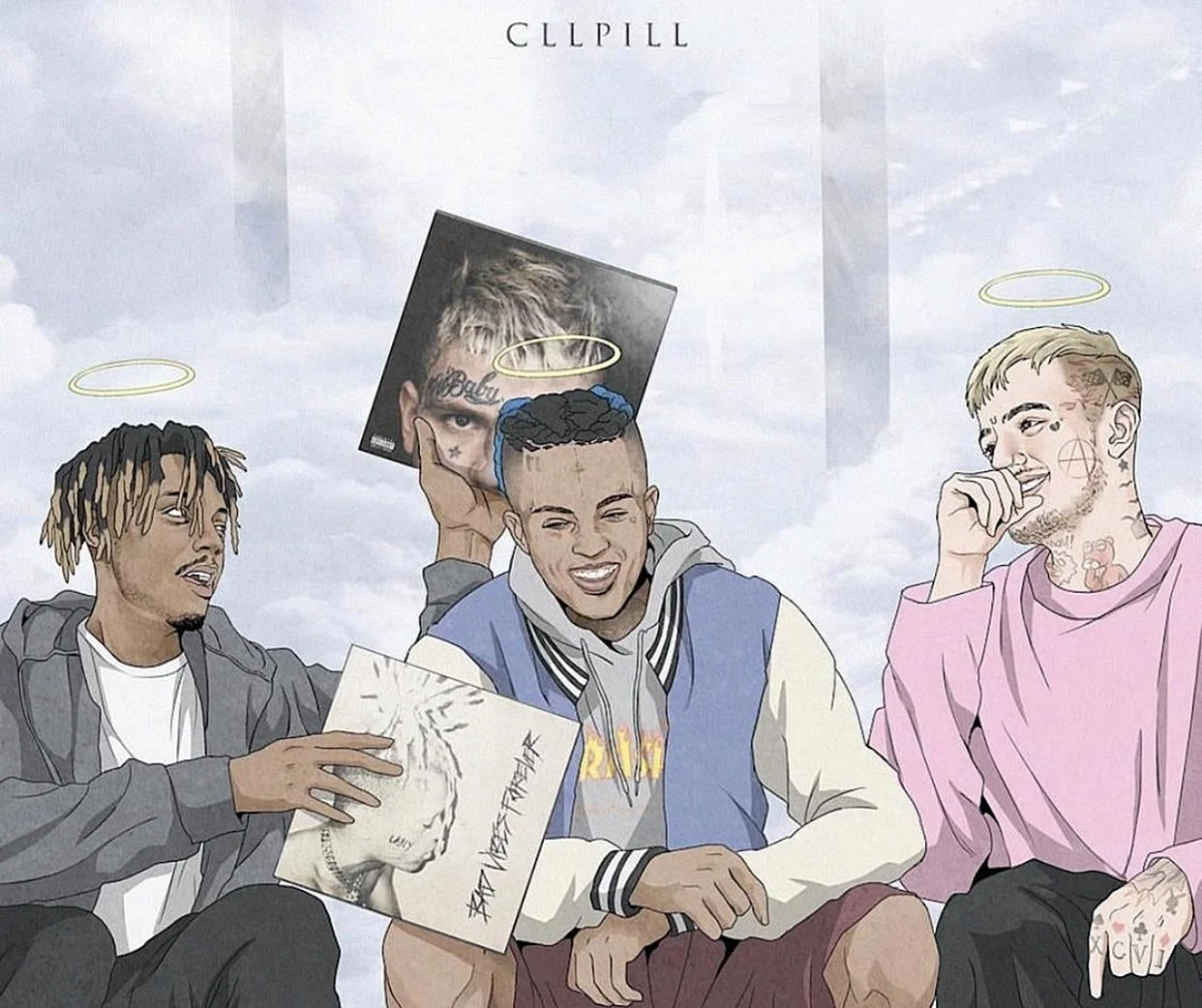
Music moves fast. Too fast, honestly. One week you’re the face of a subgenre, and the next, the algorithm has chewed you up and spat you out for the next teenager with a catchy hook and a TikTok dance. But XXXTentacion and Juice WRLD? They’re different. We are years removed from their passing, yet if you pull up the Spotify Top 50 or look at Billboard’s recurrent charts, their names are still right there, immovable. It’s weird, right? Most artists fade. These two just got louder.
They didn't just make songs; they built digital sanctuaries for a generation that felt collectively broken.
Jahseh Onfroy, known as XXXTentacion, was a lightning rod of controversy and raw, unfiltered aggression. Jarad Higgins, or Juice WRLD, was the melodic savant who could freestyle for an hour without breaking a sweat. On paper, they were just two kids from the SoundCloud era who struck gold. In reality, they became the architects of a new emotional vocabulary.
The SoundCloud Big Bang: How XXXTentacion and Juice WRLD Changed Everything
Back in 2016, the music industry was terrified of SoundCloud. It was the Wild West. You had kids like X uploading "Look At Me!"—a song so distorted it sounded like it was recorded inside a garbage disposal—and it was racking up millions of plays. There were no gatekeepers. No A&Rs telling them to clean up the mix. It was pure, unadulterated energy.
X was the pioneer of this "distort-everything" aesthetic. He proved that you didn't need a million-dollar studio to reach the world; you just needed a laptop and a lot of feelings. Juice WRLD came shortly after, bridging the gap between that raw underground energy and mainstream pop-punk sensibilities. When "Lucid Dreams" dropped, it wasn't just a hit. It was a cultural shift. He sampled Sting’s "Shape of My Heart" and turned it into an anthem for every kid who had ever been dumped via a blue iMessage bubble.
Emotional Transparency as a Brand
We used to call it "Emo Rap." That label feels a bit reductive now. What XXXTentacion and Juice WRLD were actually doing was radical vulnerability. They talked about depression, anxiety, and substance abuse with a bluntness that previous generations of rappers avoided. In the 90s, rap was often about bravado. In the late 2010s, thanks to these two, rap became about the internal war.
Juice WRLD famously said in an interview with NME that his music was "therapeutic" for him. He wasn't lying. You can hear the struggle in his voice on tracks like "Empty" or "Wishing Well." He wasn't just rhyming; he was venting. X did the same, though his approach was more experimental. One minute he was screaming, the next he was whispering over an acoustic guitar on "Jocelyn Flores." This versatility made it impossible to box them in.
The Myth of the Unfinished Work
One of the biggest reasons XXXTentacion and Juice WRLD remain so relevant is the sheer volume of material they left behind. Especially Juice. The guy was a machine. There are stories from his engineers about him recording five, six, even ten songs in a single night. He would walk into the booth, hear a beat for the first time, and freestyle a platinum hit.
Because of this, his estate has been able to release posthumous albums like Legends Never Die and Fighting Demons that actually felt cohesive. It wasn't just scraps from the cutting room floor. It was polished work.
X’s posthumous run was a bit more complicated. Skins and Bad Vibes Forever felt more like fragments. Pieces of a puzzle we’ll never fully see. Yet, even those fragments resonated. His fans treat every leaked snippet like a holy relic. This "archival" era of their careers has kept the conversation alive, even if it brings up tricky ethical questions about how much an artist's estate should release after they're gone.
The Freestyle King: Juice WRLD's Technical Prowess
Let's talk about the hour-long Tim Westwood freestyle. If you haven't seen it, go watch it. It’s legendary. Juice WRLD sat there and rapped over Eminem beats for over an hour without stopping. No written lyrics. No phone in his hand. Just pure stream of consciousness.
That wasn't just a gimmick. It showed that despite the "mumble rap" labels critics tried to slap on him, he was a top-tier lyricist. He understood rhyme schemes and metaphors better than most veteran rappers. This respect from the "old guard" helped cement his legacy beyond just being a "SoundCloud kid."
Why the Fans Won't Let Go
If you go to a memorial for X or Juice, you'll see something intense. You’ll see teenagers crying like they lost a sibling.
Social media played a massive role here. These artists interacted with their fans in the comments and on Instagram Live in a way that made them feel accessible. They weren't distant stars; they were older brothers who happened to be famous.
- The "21 Club" Narrative: The tragic reality is that both died incredibly young—X at 20, Juice at 21. This "gone too soon" narrative creates a permanent sense of potential. We never saw them decline. We never saw them make a "bad" experimental album in their 30s. They are frozen in time at their peak.
- The Sound of the Suburbs: Their music resonated deeply with suburban youth who felt alienated. It gave a voice to the quiet struggles of middle America and beyond.
- Visual Identity: From X's half-colored hair to Juice's 999 tattoo, they created visual brands that were easy for fans to adopt as their own identity.
Addressing the Controversies
It’s impossible to talk about XXXTentacion’s legacy without acknowledging the elephant in the room. His life was marked by violence and serious legal allegations, specifically involving domestic abuse. These aren't just footnotes; they are a significant part of his story.
Some people find it impossible to separate the art from the artist. Others argue that his later work showed a man trying to change and "evolve" before his life was cut short. It’s a messy, uncomfortable conversation. But even this controversy contributed to his "outlaw" status in music history. He wasn't a curated corporate product. He was a human being with profound flaws, and for a specific demographic, that authenticity—however dark—was the draw.
The 999 Philosophy vs. The Tree of Sentiment
Juice WRLD popularized the "999" motif. He explained it as taking whatever hell or negative situation you're going through and turning it into something positive—flipping "666" upside down. It became a global movement. You see 999 in YouTube bios and on hoodies everywhere.
X had his "Members Only" collective and his "Helping Hand" challenge. He was obsessed with the idea of impact. Even if you disagree with his actions, you can't deny the impact he had on the mental health conversation in hip-hop. He pushed the genre toward a more introspective, melodic place that paved the way for artists like The Kid LAROI, Lil Peep, and even influenced the trajectory of established stars like Kanye West.
The Technical Shift: From Lo-Fi to Polished Pop
Musically, the evolution of XXXTentacion and Juice WRLD represents the professionalization of the "bedroom" sound.
Early X tracks were clipped. The audio levels were all wrong. It was "punk" in its disregard for traditional recording standards. By the time he released ?, he was experimenting with Latin pop and piano ballads. Juice WRLD, on the other hand, arrived with a more "radio-ready" sound, thanks in part to producers like Nick Mira and the Internet Money collective.
They proved that the "SoundCloud" sound wasn't just a phase—it was the new standard. Today, most mainstream rap hits use the same 808 patterns and melodic structures that these two popularized half a decade ago.
Moving Forward: How to Experience Their Legacy Correcty
If you’re looking to understand why these two still matter, don't just look at the streaming numbers. Listen to the evolution.
Start with XXXTentacion’s 17. It’s a short, bleak, and haunting album that sounds like a suicide note and a prayer at the same time. Then, listen to Juice WRLD’s Goodbye & Good Riddance. It’s the definitive breakup album of the digital age.
Actionable Ways to Engage with the Music
- Explore the Unreleased Scene (Carefully): Much of Juice WRLD’s best work is actually unreleased. While "leaks" are a legal gray area, tracks like "Rental" or "Off the Van" show a side of his talent that the radio never caught.
- Watch the Documentaries: Look At Me: XXXTentacion and Juice WRLD: Into the Abyss offer raw looks at their lives. They don't shy away from the drug use or the mental health spirals. They are essential viewing for understanding the context of the music.
- Support Mental Health Initiatives: Both artists struggled with their demons. Organizations like the Live Free 999 Foundation, started by Juice WRLD’s mother, Carmela Wallace, provide actual resources for young people struggling with addiction and mental health.
The story of XXXTentacion and Juice WRLD isn't just about music. It's about a moment in time where the internet allowed the most pained voices to become the loudest. They weren't perfect, and their lives were messy. But in that mess, millions of people found something that felt like home. They changed the sonic landscape of the 21st century, and whether you love them or hate them, their influence isn't going anywhere.